Compare commits
139
Commits
| Author | SHA1 | Date | |
|---|---|---|---|
 gokayfem gokayfem
|
4c200c4dda | ||
|
gokayfem
|
58fd4823b9 | ||
|
gokayfem
|
2efd3631b8 | ||
|
gokayfem
|
bcb756d973 | ||
|
gokayfem
|
37317a8478 | ||
|
gokayfem
|
460b27a1b5 | ||
|
gokayfem
|
1e04a56444 | ||
|
gokayfem
|
b89f6288bb | ||
|
Gökay Aydoğan
|
066b10fd60 | ||
|
Gökay Aydoğan
|
eabca719dd | ||
|
Gökay Aydoğan
|
8bd18dd52b | ||
|
mavibirdesmi
|
858ab8a13e | ||
|
Gökay Aydoğan
|
1ca496c1c8 | ||
|
Juggernaut
|
7174a2ac91 | ||
|
Juggernaut
|
77f70e4417 | ||
|
Gökay Aydoğan
|
320cf09f6c | ||
|
Gökay Aydoğan
|
59ead9f513 | ||
|
EnragedAntelope
|
6817bdba01 | ||
|
EnragedAntelope
|
724a787eae | ||
|
EnragedAntelope
|
7f5bc8956b | ||
|
Gökay Aydoğan
|
52e20049e8 | ||
|
Gökay Aydoğan
|
babc604703 | ||
|
EnragedAntelope
|
83ce962b94 | ||
|
EnragedAntelope
|
cf463e3590 | ||
|
EnragedAntelope
|
d977b2c106 | ||
|
gokayfem
|
0bfaad3a91 | ||
|
gokayfem
|
bfa702a282 | ||
|
gokayfem
|
e1a48dbaa4 | ||
|
gokayfem
|
7817b69fe3 | ||
|
Gökay Aydoğan
|
bd8975fbdc | ||
|
Gökay Aydoğan
|
b09fdb6e02 | ||
|
Gökay Aydoğan
|
372a8448f6 | ||
|
gokayfem
|
63e9e20625 | ||
|
Gökay Aydoğan
|
80d1f30a99 | ||
|
Gökay Aydoğan
|
1cc82e14b5 | ||
|
Gökay Aydoğan
|
68b8966f1b | ||
|
gokayfem
|
f260a590ba | ||
|
Gökay Aydoğan
|
27f72e532a | ||
|
gokayfem
|
4469d7a19f | ||
|
EnragedAntelope
|
a8f60dd44f | ||
|
EnragedAntelope
|
eccdb0e0d4 | ||
|
EnragedAntelope
|
1cf85b8f63 | ||
|
Gökay Aydoğan
|
a5ceb90f48 | ||
|
EnragedAntelope
|
9723f506a3 | ||
|
EnragedAntelope
|
40f25f55aa | ||
|
Gökay Aydoğan
|
400fded7af | ||
|
EnragedAntelope
|
6d76b29f71 | ||
|
Gökay Aydoğan
|
043dfbe727 | ||
|
Gökay Aydoğan
|
57d6060cd1 | ||
|
default
|
3df8e96adf | ||
|
Gökay Aydoğan
|
aee755b26a | ||
|
Gökay Aydoğan
|
8506a8e1f2 | ||
|
Yoland Yan
|
12b550516e | ||
|
Yoland Yan
|
04fec51386 | ||
|
Gökay Aydoğan
|
a3caf32dba | ||
|
Gökay Aydoğan
|
711801166b | ||
|
snomiao
|
f45e1456ee | ||
|
Gökay Aydoğan
|
260316eacb | ||
|
Gökay Aydoğan
|
d6bb765089 | ||
|
Gökay Aydoğan
|
7979ae79a9 | ||
|
Gökay Aydoğan
|
ab0ea30a11 | ||
|
gokayfem
|
114e71d4c2 | ||
|
gokayfem
|
2d289c3c9f | ||
|
Gökay Aydoğan
|
fc5ddf6d05 | ||
|
Gökay Aydoğan
|
f5e3a896e9 | ||
|
Gökay Aydoğan
|
5a4f077c60 | ||
|
haohaocreates
|
81bee12a68 | ||
|
Gökay Aydoğan
|
e2c711422e | ||
|
Gökay Aydoğan
|
69a774f786 | ||
|
Gökay Aydoğan
|
95b2d039fd | ||
|
Gökay Aydoğan
|
3636697f2f | ||
|
haohaocreates
|
ebb34be2cc | ||
|
null
|
431f2623c3 | ||
|
Wouter de Bie
|
546164cc5e | ||
|
Gökay Aydoğan
|
abb2838db1 | ||
|
gokayfem
|
3836e67cd1 | ||
|
Torbjörn Lönnemark
|
5b46de997c | ||
|
gokayfem
|
ebceeac0ee | ||
|
gokayfem
|
c094952b51 | ||
|
gokayfem
|
54b5c1024e | ||
|
SKB
|
bea554556a | ||
|
SKB
|
a4f1223689 | ||
|
SKB
|
ff3814fc5a | ||
|
gokayfem
|
d1770aa931 | ||
|
gokayfem
|
af77cc2790 | ||
|
gokayfem
|
fe20baaa2d | ||
|
gokayfem
|
a8aa176fb5 | ||
|
gokayfem
|
26bd276105 | ||
|
gokayfem
|
c202ae481c | ||
|
gokayfem
|
684f05f012 | ||
|
gokayfem
|
ad7398467d | ||
|
gokayfem
|
8f918d07db | ||
|
gokayfem
|
e04019e22b | ||
|
gokayfem
|
21c13d8232 | ||
|
gokayfem
|
873ccd3d6b | ||
|
gokayfem
|
e352ff52b6 | ||
|
gokayfem
|
6600b13f9e | ||
|
gokayfem
|
470b347c48 | ||
|
gokayfem
|
1fe7a608d6 | ||
|
gokayfem
|
4048e74841 | ||
|
gokayfem
|
5bc422b372 | ||
|
gokayfem
|
3d72d9bbd1 | ||
|
gokayfem
|
a363153eb5 | ||
|
gokayfem
|
6e043f44f6 | ||
|
gokayfem
|
12dff74965 | ||
|
gokayfem
|
ab0ff641e8 | ||
|
gokayfem
|
ae9ef30c4c | ||
|
gokayfem
|
6d2c2f84d8 | ||
|
gokayfem
|
70bdb2b883 | ||
|
gokayfem
|
6765b6ea11 | ||
|
gokayfem
|
cac0f8d22a | ||
|
gokayfem
|
fc88d71179 | ||
|
gokayfem
|
39885c9246 | ||
|
gokayfem
|
640fb70f33 | ||
|
gokayfem
|
5dee27bd9b | ||
|
gokayfem
|
dc262a9683 | ||
|
gokayfem
|
3a95355d05 | ||
|
gokayfem
|
e452c0ea91 | ||
|
gokayfem
|
1444dbb346 | ||
|
gokayfem
|
899b894435 | ||
|
gokayfem
|
c2850d8e7a | ||
|
gokayfem
|
a829cf4932 | ||
|
gokayfem
|
64da5b1506 | ||
|
gokayfem
|
f1438415f7 | ||
|
gokayfem
|
fd65743f13 | ||
|
gokayfem
|
777933600e | ||
|
gokayfem
|
6f9b156f24 | ||
|
gokayfem
|
08c743d2ae | ||
|
gokayfem
|
c920a4e714 | ||
|
gokayfem
|
9d15d4567b | ||
|
gokayfem
|
f091d411f7 | ||
|
gokayfem
|
ce9abb3bd9 | ||
|
gokayfem
|
16eb505136 | ||
|
gokayfem
|
4de8baaaaf | ||
|
gokayfem
|
b57aa3ada9 | ||
|
gokayfem
|
b22479ac71 | ||
|
gokayfem
|
9c6aef69a0 | ||
|
gokayfem
|
8d4c8549c6 | ||
|
gokayfem
|
3d03ddeb9c |
@@ -0,0 +1,60 @@
|
||||
name: CI
|
||||
|
||||
on:
|
||||
push:
|
||||
pull_request:
|
||||
|
||||
permissions:
|
||||
contents: read
|
||||
|
||||
jobs:
|
||||
test:
|
||||
name: ${{ matrix.label }}
|
||||
runs-on: ${{ matrix.os }}
|
||||
timeout-minutes: 35
|
||||
strategy:
|
||||
fail-fast: false
|
||||
matrix:
|
||||
include:
|
||||
- label: Linux / Python 3.10
|
||||
os: ubuntu-latest
|
||||
python: "3.10"
|
||||
cpu_index: true
|
||||
- label: Linux / Python 3.13
|
||||
os: ubuntu-latest
|
||||
python: "3.13"
|
||||
cpu_index: true
|
||||
- label: Windows / Python 3.12
|
||||
os: windows-latest
|
||||
python: "3.12"
|
||||
cpu_index: true
|
||||
- label: macOS / Python 3.12
|
||||
os: macos-14
|
||||
python: "3.12"
|
||||
cpu_index: false
|
||||
steps:
|
||||
- uses: actions/checkout@v7
|
||||
- uses: actions/setup-python@v7
|
||||
with:
|
||||
python-version: ${{ matrix.python }}
|
||||
cache: pip
|
||||
cache-dependency-path: requirements.txt
|
||||
- name: Install CPU PyTorch
|
||||
if: matrix.cpu_index == true
|
||||
run: |
|
||||
python -m pip install --upgrade pip
|
||||
python -m pip install torch --index-url https://download.pytorch.org/whl/cpu
|
||||
- name: Install macOS PyTorch
|
||||
if: matrix.cpu_index == false
|
||||
run: |
|
||||
python -m pip install --upgrade pip
|
||||
python -m pip install torch
|
||||
- name: Install ComfyUI and node dependencies
|
||||
run: |
|
||||
git clone --depth 1 https://github.com/Comfy-Org/ComfyUI.git ../ComfyUI
|
||||
python -m pip install pytest packaging
|
||||
python -m pip install -r ../ComfyUI/requirements.txt -r requirements.txt
|
||||
- name: Test
|
||||
run: python -m pytest -q
|
||||
- name: Compile
|
||||
run: python -m compileall -q .
|
||||
@@ -0,0 +1,171 @@
|
||||
name: Publish Comfy node fleet
|
||||
|
||||
on:
|
||||
workflow_dispatch:
|
||||
inputs:
|
||||
target:
|
||||
description: Node repository to check
|
||||
required: true
|
||||
default: all
|
||||
type: choice
|
||||
options:
|
||||
- all
|
||||
- vlm
|
||||
- depth
|
||||
- dream
|
||||
- texture
|
||||
schedule:
|
||||
- cron: "17 * * * *"
|
||||
push:
|
||||
branches:
|
||||
- main
|
||||
paths:
|
||||
- ".github/workflows/publish-fleet.yml"
|
||||
|
||||
permissions:
|
||||
contents: read
|
||||
|
||||
concurrency:
|
||||
group: comfy-registry-fleet
|
||||
cancel-in-progress: false
|
||||
|
||||
jobs:
|
||||
publish:
|
||||
name: Check ${{ matrix.target }}
|
||||
runs-on: ubuntu-latest
|
||||
timeout-minutes: 10
|
||||
strategy:
|
||||
fail-fast: false
|
||||
matrix:
|
||||
include:
|
||||
- target: vlm
|
||||
repository: gokayfem/ComfyUI_VLM_nodes
|
||||
node_id: comfyui_vlm_nodes
|
||||
- target: depth
|
||||
repository: gokayfem/ComfyUI-Depth-Visualization
|
||||
node_id: comfyui-depth-visualization
|
||||
- target: dream
|
||||
repository: gokayfem/ComfyUI-Dream-Interpreter
|
||||
node_id: comfyui-dream-interpreter
|
||||
- target: texture
|
||||
repository: gokayfem/ComfyUI-Texture-Simple
|
||||
node_id: comfyui-texture-simple
|
||||
|
||||
steps:
|
||||
- name: Select target
|
||||
id: select
|
||||
env:
|
||||
REQUESTED_TARGET: ${{ inputs.target || 'all' }}
|
||||
MATRIX_TARGET: ${{ matrix.target }}
|
||||
run: |
|
||||
if [[ "$REQUESTED_TARGET" == "all" || "$REQUESTED_TARGET" == "$MATRIX_TARGET" ]]; then
|
||||
echo "selected=true" >> "$GITHUB_OUTPUT"
|
||||
else
|
||||
echo "selected=false" >> "$GITHUB_OUTPUT"
|
||||
fi
|
||||
|
||||
- name: Check out node
|
||||
if: steps.select.outputs.selected == 'true'
|
||||
uses: actions/checkout@v7
|
||||
with:
|
||||
repository: ${{ matrix.repository }}
|
||||
ref: main
|
||||
path: node
|
||||
persist-credentials: false
|
||||
|
||||
- name: Set up Python
|
||||
if: steps.select.outputs.selected == 'true'
|
||||
uses: actions/setup-python@v7
|
||||
with:
|
||||
python-version: "3.12"
|
||||
|
||||
- name: Read and verify release metadata
|
||||
if: steps.select.outputs.selected == 'true'
|
||||
id: metadata
|
||||
working-directory: node
|
||||
env:
|
||||
EXPECTED_NODE_ID: ${{ matrix.node_id }}
|
||||
run: |
|
||||
python - <<'PY'
|
||||
import os
|
||||
import tomllib
|
||||
from pathlib import Path
|
||||
|
||||
metadata = tomllib.loads(Path("pyproject.toml").read_text(encoding="utf-8"))
|
||||
node_id = metadata["project"]["name"]
|
||||
version = metadata["project"]["version"]
|
||||
publisher = metadata["tool"]["comfy"]["PublisherId"]
|
||||
expected = os.environ["EXPECTED_NODE_ID"]
|
||||
|
||||
if node_id != expected:
|
||||
raise SystemExit(f"Expected node id {expected!r}, found {node_id!r}")
|
||||
if publisher != "gokayfem":
|
||||
raise SystemExit(f"Expected publisher 'gokayfem', found {publisher!r}")
|
||||
|
||||
with Path(os.environ["GITHUB_OUTPUT"]).open("a", encoding="utf-8") as output:
|
||||
print(f"node_id={node_id}", file=output)
|
||||
print(f"version={version}", file=output)
|
||||
PY
|
||||
|
||||
- name: Check Registry version
|
||||
if: steps.select.outputs.selected == 'true'
|
||||
id: registry
|
||||
env:
|
||||
NODE_ID: ${{ steps.metadata.outputs.node_id }}
|
||||
VERSION: ${{ steps.metadata.outputs.version }}
|
||||
run: |
|
||||
python - <<'PY'
|
||||
import json
|
||||
import os
|
||||
import urllib.parse
|
||||
import urllib.request
|
||||
from pathlib import Path
|
||||
|
||||
node_id = urllib.parse.quote(os.environ["NODE_ID"], safe="")
|
||||
url = f"https://api.comfy.org/nodes/{node_id}/versions"
|
||||
request = urllib.request.Request(
|
||||
url,
|
||||
headers={"Accept": "application/json", "User-Agent": "comfy-node-fleet-publisher"},
|
||||
)
|
||||
with urllib.request.urlopen(request, timeout=30) as response:
|
||||
versions = json.load(response)
|
||||
|
||||
wanted = os.environ["VERSION"]
|
||||
exists = any(item.get("version") == wanted for item in versions)
|
||||
with Path(os.environ["GITHUB_OUTPUT"]).open("a", encoding="utf-8") as output:
|
||||
print(f"exists={'true' if exists else 'false'}", file=output)
|
||||
PY
|
||||
|
||||
- name: Require publisher credential
|
||||
if: steps.select.outputs.selected == 'true' && steps.registry.outputs.exists != 'true'
|
||||
env:
|
||||
REGISTRY_ACCESS_TOKEN: ${{ secrets.REGISTRY_ACCESS_TOKEN }}
|
||||
run: |
|
||||
if [[ -z "$REGISTRY_ACCESS_TOKEN" ]]; then
|
||||
echo "::error title=Missing registry token::Add the publisher API key as the REGISTRY_ACCESS_TOKEN repository secret."
|
||||
exit 1
|
||||
fi
|
||||
|
||||
- name: Install pinned publisher
|
||||
if: steps.select.outputs.selected == 'true' && steps.registry.outputs.exists != 'true'
|
||||
run: python -m pip install --disable-pip-version-check --no-input "comfy-cli==1.13.0"
|
||||
|
||||
- name: Publish missing version
|
||||
if: steps.select.outputs.selected == 'true' && steps.registry.outputs.exists != 'true'
|
||||
working-directory: node
|
||||
env:
|
||||
REGISTRY_ACCESS_TOKEN: ${{ secrets.REGISTRY_ACCESS_TOKEN }}
|
||||
run: comfy --skip-prompt --no-enable-telemetry node publish --token "$REGISTRY_ACCESS_TOKEN"
|
||||
|
||||
- name: Record result
|
||||
if: steps.select.outputs.selected == 'true'
|
||||
env:
|
||||
NODE_ID: ${{ steps.metadata.outputs.node_id }}
|
||||
VERSION: ${{ steps.metadata.outputs.version }}
|
||||
ALREADY_PUBLISHED: ${{ steps.registry.outputs.exists }}
|
||||
run: |
|
||||
if [[ "$ALREADY_PUBLISHED" == "true" ]]; then
|
||||
echo "### $NODE_ID $VERSION already published" >> "$GITHUB_STEP_SUMMARY"
|
||||
else
|
||||
echo "### Published $NODE_ID $VERSION" >> "$GITHUB_STEP_SUMMARY"
|
||||
fi
|
||||
@@ -0,0 +1,114 @@
|
||||
name: Publish to Comfy registry
|
||||
on:
|
||||
workflow_dispatch:
|
||||
push:
|
||||
branches:
|
||||
- main
|
||||
paths:
|
||||
- "pyproject.toml"
|
||||
- ".github/workflows/publish.yml"
|
||||
|
||||
concurrency:
|
||||
group: comfy-registry-${{ github.repository }}
|
||||
cancel-in-progress: false
|
||||
|
||||
env:
|
||||
COMFY_CLI_VERSION: "1.13.0"
|
||||
|
||||
jobs:
|
||||
publish-node:
|
||||
name: Publish Custom Node to registry
|
||||
runs-on: ubuntu-latest
|
||||
timeout-minutes: 10
|
||||
permissions:
|
||||
contents: read
|
||||
steps:
|
||||
- name: Check out code
|
||||
uses: actions/checkout@v7
|
||||
- name: Set up Python
|
||||
uses: actions/setup-python@v7
|
||||
with:
|
||||
python-version: "3.12"
|
||||
- name: Read release metadata
|
||||
id: metadata
|
||||
run: |
|
||||
python - <<'PY'
|
||||
import os
|
||||
import tomllib
|
||||
from pathlib import Path
|
||||
|
||||
metadata = tomllib.loads(Path("pyproject.toml").read_text(encoding="utf-8"))
|
||||
node_id = metadata["project"]["name"]
|
||||
version = metadata["project"]["version"]
|
||||
publisher = metadata["tool"]["comfy"]["PublisherId"]
|
||||
if publisher != "gokayfem":
|
||||
raise SystemExit(f"Expected publisher 'gokayfem', found {publisher!r}")
|
||||
|
||||
with Path(os.environ["GITHUB_OUTPUT"]).open("a", encoding="utf-8") as output:
|
||||
print(f"node_id={node_id}", file=output)
|
||||
print(f"version={version}", file=output)
|
||||
PY
|
||||
- name: Check Registry version
|
||||
id: registry
|
||||
env:
|
||||
NODE_ID: ${{ steps.metadata.outputs.node_id }}
|
||||
VERSION: ${{ steps.metadata.outputs.version }}
|
||||
run: |
|
||||
python - <<'PY'
|
||||
import json
|
||||
import os
|
||||
import urllib.parse
|
||||
import urllib.request
|
||||
from pathlib import Path
|
||||
|
||||
node_id = urllib.parse.quote(os.environ["NODE_ID"], safe="")
|
||||
request = urllib.request.Request(
|
||||
f"https://api.comfy.org/nodes/{node_id}/versions",
|
||||
headers={"Accept": "application/json", "User-Agent": "comfy-node-publisher"},
|
||||
)
|
||||
with urllib.request.urlopen(request, timeout=30) as response:
|
||||
versions = json.load(response)
|
||||
|
||||
exists = any(item.get("version") == os.environ["VERSION"] for item in versions)
|
||||
with Path(os.environ["GITHUB_OUTPUT"]).open("a", encoding="utf-8") as output:
|
||||
print(f"exists={'true' if exists else 'false'}", file=output)
|
||||
PY
|
||||
- name: Check publisher credential
|
||||
if: steps.registry.outputs.exists != 'true'
|
||||
id: credentials
|
||||
env:
|
||||
REGISTRY_ACCESS_TOKEN: ${{ secrets.REGISTRY_ACCESS_TOKEN }}
|
||||
run: |
|
||||
if [[ -n "$REGISTRY_ACCESS_TOKEN" ]]; then
|
||||
echo "available=true" >> "$GITHUB_OUTPUT"
|
||||
else
|
||||
echo "available=false" >> "$GITHUB_OUTPUT"
|
||||
echo "::notice title=Central publisher enabled::The secure fleet publisher will publish this release within one hour."
|
||||
fi
|
||||
- name: Install pinned Comfy CLI
|
||||
if: steps.registry.outputs.exists != 'true' && steps.credentials.outputs.available == 'true'
|
||||
shell: bash
|
||||
run: python -m pip install --disable-pip-version-check "comfy-cli==${COMFY_CLI_VERSION}"
|
||||
- name: Publish Custom Node
|
||||
if: steps.registry.outputs.exists != 'true' && steps.credentials.outputs.available == 'true'
|
||||
id: publish
|
||||
continue-on-error: true
|
||||
shell: bash
|
||||
env:
|
||||
REGISTRY_ACCESS_TOKEN: ${{ secrets.REGISTRY_ACCESS_TOKEN }}
|
||||
run: comfy --skip-prompt --no-enable-telemetry node publish --token "$REGISTRY_ACCESS_TOKEN"
|
||||
- name: Record publication result
|
||||
env:
|
||||
NODE_ID: ${{ steps.metadata.outputs.node_id }}
|
||||
VERSION: ${{ steps.metadata.outputs.version }}
|
||||
ALREADY_PUBLISHED: ${{ steps.registry.outputs.exists }}
|
||||
PUBLISH_OUTCOME: ${{ steps.publish.outcome }}
|
||||
run: |
|
||||
if [[ "$ALREADY_PUBLISHED" == "true" ]]; then
|
||||
echo "### $NODE_ID $VERSION already published" >> "$GITHUB_STEP_SUMMARY"
|
||||
elif [[ "$PUBLISH_OUTCOME" == "success" ]]; then
|
||||
echo "### Published $NODE_ID $VERSION" >> "$GITHUB_STEP_SUMMARY"
|
||||
else
|
||||
echo "::notice title=Central publishing handoff::The secure fleet publisher will retry this release within one hour."
|
||||
echo "### $NODE_ID $VERSION queued for the fleet publisher" >> "$GITHUB_STEP_SUMMARY"
|
||||
fi
|
||||
@@ -0,0 +1,123 @@
|
||||
# Platform and accelerator compatibility
|
||||
|
||||
ComfyUI owns PyTorch. This node pack deliberately does not depend on `torch`,
|
||||
`torchvision`, or a vendor wheel, because installing a generic PyPI build can
|
||||
silently replace a working CUDA, ROCm, XPU, or Metal environment.
|
||||
|
||||
Install `requirements.txt` with the same Python executable that starts ComfyUI.
|
||||
The **VLM Runtime Diagnostics** node reports the environment seen by the pack
|
||||
without downloading a model.
|
||||
|
||||
## Support matrix
|
||||
|
||||
| Platform | Managed Transformers | bitsandbytes 4/8-bit | GGUF acceleration |
|
||||
| --- | --- | --- | --- |
|
||||
| Linux + NVIDIA | CUDA, BF16/FP16 capability detected | Official wheel | CUDA or Vulkan |
|
||||
| Windows + NVIDIA | CUDA, BF16/FP16 capability detected | Official wheel | CUDA or Vulkan |
|
||||
| Linux + AMD | ROCm through PyTorch's `cuda` API | Official ROCm wheel for listed GPU architectures | ROCm/HIP or Vulkan |
|
||||
| Windows + AMD | Current ComfyUI/AMD ROCm PyTorch builds | Official ROCm Windows wheel for listed GPU architectures | HIP Radeon or Vulkan |
|
||||
| Apple Silicon macOS | MPS, BF16 on supported macOS/PyTorch; FP16 fallback | Official arm64 wheel | Metal |
|
||||
| Intel GPU | XPU with BF16 capability detection | Official XPU/CPU wheel | SYCL or Vulkan |
|
||||
| CPU | FP32 | Official wheels on supported architectures | OpenBLAS or default CPU |
|
||||
| Intel macOS | CPU/legacy MPS environment as provided by ComfyUI | No official bitsandbytes wheel; dependency is skipped | CPU build |
|
||||
|
||||
The default **ComfyUI managed** mode is the portable path. Quantization is an
|
||||
optional optimization, not an import requirement. DirectML/private-use devices
|
||||
receive a safe FP32 fallback, but are best-effort because current ComfyUI itself
|
||||
does not treat DirectML as a primary performance backend.
|
||||
|
||||
## Dependency behavior
|
||||
|
||||
- Python 3.10 through 3.13 is covered by CI.
|
||||
- `transformers>=5.4,<6` and `huggingface-hub>=1.5,<2` are paired intentionally;
|
||||
Transformers 5.4 requires Hub 1.5 or newer.
|
||||
- `bitsandbytes>=0.50` is the first dependency floor used here for the current
|
||||
multi-backend releases. Environment markers prevent an unsupported wheel
|
||||
from blocking the whole node pack.
|
||||
- `requirements-quantization.txt` is available for an explicit quantization
|
||||
install or source-build environment.
|
||||
- Model downloads, imports, and package compilation never occur during node
|
||||
discovery.
|
||||
|
||||
Install manually:
|
||||
|
||||
```bash
|
||||
python -m pip install -r ComfyUI/custom_nodes/ComfyUI_VLM_nodes/requirements.txt
|
||||
```
|
||||
|
||||
If quantization was skipped but the machine has a supported custom build:
|
||||
|
||||
```bash
|
||||
python -m pip install -r ComfyUI/custom_nodes/ComfyUI_VLM_nodes/requirements-quantization.txt
|
||||
```
|
||||
|
||||
## llama.cpp / GGUF
|
||||
|
||||
`llama-cpp-python` must be compiled or selected for the actual backend. Its
|
||||
official project currently publishes backend indexes and documents source
|
||||
build flags:
|
||||
|
||||
```bash
|
||||
# NVIDIA; replace cu124 with the CUDA index matching the environment.
|
||||
python -m pip install llama-cpp-python \
|
||||
--extra-index-url https://abetlen.github.io/llama-cpp-python/whl/cu124
|
||||
|
||||
# Apple Metal
|
||||
python -m pip install llama-cpp-python \
|
||||
--extra-index-url https://abetlen.github.io/llama-cpp-python/whl/metal
|
||||
|
||||
# Linux ROCm
|
||||
python -m pip install llama-cpp-python \
|
||||
--extra-index-url https://abetlen.github.io/llama-cpp-python/whl/rocm72
|
||||
|
||||
# Linux or Windows Vulkan
|
||||
python -m pip install llama-cpp-python \
|
||||
--extra-index-url https://abetlen.github.io/llama-cpp-python/whl/vulkan
|
||||
```
|
||||
|
||||
The official Windows HIP Radeon index is:
|
||||
|
||||
```powershell
|
||||
python -m pip install llama-cpp-python `
|
||||
--extra-index-url https://abetlen.github.io/llama-cpp-python/whl/hip-radeon
|
||||
```
|
||||
|
||||
Source builds use `GGML_CUDA=on`, `GGML_METAL=on`, `GGML_HIP=on`,
|
||||
`GGML_VULKAN=on`, or `GGML_SYCL=on` through `CMAKE_ARGS`. Use an arm64 Python
|
||||
on Apple Silicon; an x86 Python builds the wrong architecture and is
|
||||
dramatically slower.
|
||||
|
||||
Authoritative installation references:
|
||||
|
||||
- [ComfyUI installation and hardware backends](https://github.com/Comfy-Org/ComfyUI)
|
||||
- [bitsandbytes installation and supported hardware](https://huggingface.co/docs/bitsandbytes/installation)
|
||||
- [llama-cpp-python supported backends](https://github.com/abetlen/llama-cpp-python#supported-backends)
|
||||
|
||||
## Attention and offloading
|
||||
|
||||
- **Auto (SDPA)** lets PyTorch choose its maintained kernel and is the default
|
||||
on every backend.
|
||||
- **Flash Attention 2** is preflighted for CUDA/ROCm only. A compatible
|
||||
`flash-attn` build is still required.
|
||||
- ComfyUI-managed models participate in its normal model patcher lifecycle.
|
||||
- External bitsandbytes and llama.cpp allocations ask ComfyUI to free space
|
||||
first, then release only their owned model on unload.
|
||||
- Automatic CPU/disk device mapping is used for large CUDA/ROCm/XPU models.
|
||||
MPS unified memory and CPU use an explicit active-device map.
|
||||
- AudioLDM2 uses FP16 on capable accelerators, FP32 on CPU, CUDA-API CPU
|
||||
offload for NVIDIA/ROCm, and a portable CPU random generator on MPS.
|
||||
|
||||
## What CI proves
|
||||
|
||||
Every push installs current ComfyUI plus this complete `requirements.txt` and
|
||||
runs imports, schemas, runtime contracts, tests, and byte-compilation on:
|
||||
|
||||
- Ubuntu, Python 3.10
|
||||
- Ubuntu, Python 3.13
|
||||
- Windows, Python 3.12
|
||||
- macOS, Python 3.12
|
||||
|
||||
Hosted runners do not contain production NVIDIA, AMD, or Intel GPUs. CI
|
||||
therefore tests backend selection and dtype/device-map contracts, while real
|
||||
GPU model smoke tests remain explicit hardware validation. It does not claim
|
||||
that a CPU simulation executed a vendor kernel.
|
||||
@@ -0,0 +1,49 @@
|
||||
# Model validation
|
||||
|
||||
Validated on 2026-07-28 with ComfyUI 0.28.0, Python 3.12, Transformers 5.14.1,
|
||||
PyTorch 2.13.0+cu126, and an RTX 3090 24 GB. All models and caches were stored
|
||||
on the D drive and executed through WSL.
|
||||
|
||||
## Real-weight passes
|
||||
|
||||
| Family | Representative result | Peak CUDA |
|
||||
| --- | --- | ---: |
|
||||
| Qwen 3.5 | 0.8B BF16 image/video; 0.8B NF4; 2B, 4B, and 9B images | 0.82–17.62 GiB |
|
||||
| Qwen 3 VL | 2B, 4B, and 8B images returned the correct red object | 3.99–16.37 GiB |
|
||||
| SmolVLM2 | 500M image/video and 2.2B video returned the correct object | 2.29–5.41 GiB |
|
||||
| LFM2.5 VL | 450M returned “red … rectangle” | 0.88 GiB |
|
||||
| InternVL 3.5 | 1B video returned “green rectangle” after the 448px patch-grid fix | 2.14 GiB |
|
||||
| Granite Vision 4.1 | 4B returned “solid red square” through native Transformers code | 7.61 GiB |
|
||||
| Florence-2 | Native converted base-FT returned and parsed a bright-red-square caption | 0.59 GiB |
|
||||
|
||||
One checkpoint covers sibling sizes that use the same architecture and loader.
|
||||
The node does not download every size simply to repeat the same integration
|
||||
test.
|
||||
|
||||
## ComfyUI API pass
|
||||
|
||||
ComfyUI started from the D-drive WSL installation with all four repaired custom
|
||||
node repositories enabled and no custom-node import failures. A real local API
|
||||
workflow (`EmptyImage` -> `ModernVLM` -> `ViewText`) ran the cached LFM2.5-VL
|
||||
450M checkpoint on a solid red input, returned `Red.`, and completed with
|
||||
`unload_after=true`. Prompt ID:
|
||||
`919f92cd-ecb2-487b-abf0-19f5e4d88229`.
|
||||
|
||||
## Catalog validation
|
||||
|
||||
Configuration and processor resolution passed for all 15 ungated entries in
|
||||
the small/fast catalog: Qwen 3.5 0.8B/2B/4B, Qwen 3 VL 2B/4B, Qwen 2.5 VL 3B,
|
||||
SmolVLM2 256M/500M/2.2B, LFM2.5 VL 450M/1.6B, InternVL 3.5 1B/2B, and Granite
|
||||
Vision 3.3 2B/4.1 4B. Gemma 3 4B is the sixteenth entry and correctly requires
|
||||
license acceptance plus `HF_TOKEN`.
|
||||
|
||||
## Not marked passed
|
||||
|
||||
- Qwen 3 VL 30B-A3B: weights are available locally, but inference validation
|
||||
was stopped at the user's request and will not be repeated.
|
||||
- Moondream2 2025-06-21: its pinned remote wrapper needed Transformers 5 loading
|
||||
metadata, but this Torch/CUDA stack produced NaN probabilities when sampling
|
||||
and immediate EOS with greedy decoding. The node defaults to the
|
||||
non-destructive greedy path and raises an actionable error on an empty result.
|
||||
- PaLI-Gemma and Gemma 3: gated checkpoints were not accessible without an
|
||||
accepted license and token.
|
||||
@@ -1,106 +1,145 @@
|
||||
<div align="center">
|
||||
<h1> 👁️ VLM Nodes</h1>
|
||||
<p align="center">
|
||||
<b> 🔽Examples below</b> •
|
||||
📙 <a href="https://github.com/gokayfem/Awesome-VLM-Architectures">Visit my other repo to learn more about Vision Language Models</a>
|
||||
</p>
|
||||
</div>
|
||||
<br/>
|
||||
# ComfyUI VLM Nodes
|
||||
|
||||
## Usage
|
||||
- For **Windows** and **Linux**
|
||||
Production-oriented vision-language, structured prompting, audio, and utility
|
||||
nodes for ComfyUI. Version 2.1 supports ComfyUI's selected NVIDIA CUDA, AMD
|
||||
ROCm, Apple Metal, Intel XPU, and CPU device without replacing its PyTorch
|
||||
build. It removes startup installers and global accelerator cache flushes,
|
||||
adds real image/video batches, and uses ComfyUI model residency and offloading.
|
||||
|
||||
## Modern model coverage
|
||||
|
||||
The **Modern VLM** node provides one stable interface for:
|
||||
|
||||
- Qwen 3.5 0.8B, 2B, 4B, 9B, 27B, and 35B-A3B
|
||||
- Qwen 3.6 27B
|
||||
- Qwen 3 VL 2B, 4B, 8B, and 30B-A3B Instruct
|
||||
- Qwen 2.5 VL 3B and 7B for existing workflows
|
||||
- Gemma 3 4B, 12B, and 27B IT
|
||||
- SmolVLM2 256M, 500M, and 2.2B video models
|
||||
- Liquid LFM2.5-VL 450M and 1.6B edge models
|
||||
- InternVL 3.5 1B and 2B standard Hugging Face checkpoints
|
||||
- Granite Vision 3.3 2B and 4.1 4B for documents, charts, and OCR
|
||||
- a compatible custom Hugging Face image-to-text repository
|
||||
|
||||
Sixteen curated sub-4B/low-VRAM choices are marked internally as the
|
||||
small-and-fast tier. The default is Qwen 3 VL 2B: it is much quicker to load
|
||||
than larger checkpoints while retaining broad image and video understanding.
|
||||
The catalog intentionally uses official model repositories and maintained
|
||||
Transformers interfaces rather than unverified community quantizations.
|
||||
Curated models use native Transformers implementations; remote repository code
|
||||
is enabled only when the explicit custom-model option requires it. Florence-2
|
||||
uses the Transformers-native converted checkpoints instead of Microsoft’s
|
||||
legacy repository code.
|
||||
|
||||
Specialized nodes remain available where a generic chat node would discard
|
||||
useful model capabilities:
|
||||
|
||||
- **Florence-2**: captioning, OCR, detection, region captioning, and referring
|
||||
expression segmentation, with structured JSON, mask, and overlay outputs.
|
||||
- **PaLI-Gemma**: caption/VQA plus the official 16-token VQ-VAE segmentation
|
||||
decoder; segmentation tokens are no longer misinterpreted as polygon points.
|
||||
- **Moondream2**: pinned query API with explicit decoding controls. Its current
|
||||
checkpoint is not marked passed on the tested Torch/Transformers stack; use a
|
||||
small Modern VLM preset for production.
|
||||
- **Qwen2-VL**: image batches and real video-frame batches.
|
||||
- **Molmo, Kosmos-2, UForm, MCLLaVA, JoyTag, and MiniCPM-V 2.6 GGUF**.
|
||||
- **llama.cpp LLaVA/GGUF**, structured prompt suggestions, OpenAI-compatible
|
||||
prompting, and AudioLDM2.
|
||||
|
||||
## Install
|
||||
|
||||
Install through ComfyUI Manager, or clone into `ComfyUI/custom_nodes` and run:
|
||||
|
||||
```bash
|
||||
python -m pip install -r ComfyUI/custom_nodes/ComfyUI_VLM_nodes/requirements.txt
|
||||
```
|
||||
cd custom_nodes
|
||||
git clone https://github.com/gokayfem/ComfyUI_VLM_nodes.git
|
||||
|
||||
Run that command with ComfyUI's Python. Do not install or replace `torch` from
|
||||
this repository: ComfyUI's own installer selects CUDA, ROCm, XPU, Metal, or CPU.
|
||||
Current official bitsandbytes wheels are installed automatically only on their
|
||||
supported OS/architecture combinations. Unsupported machines retain all
|
||||
non-quantized nodes.
|
||||
|
||||
GGUF nodes use optional `llama-cpp-python`. Install a wheel built for the
|
||||
desired CUDA, ROCm/HIP, Metal, Vulkan, SYCL, or CPU backend:
|
||||
|
||||
```bash
|
||||
python -m pip install -r ComfyUI/custom_nodes/ComfyUI_VLM_nodes/requirements-llama-cpp.txt
|
||||
```
|
||||
- For **macOS** go to the ```mac``` branch. Download the repository as zip and unzip it to the ```custom_nodes``` folder.
|
||||
|
||||
## VLM Nodes
|
||||
Utilizes ```llama-cpp-python``` for integration of LLaVa models. You can load and use any VLM with LLaVa models in GGUF format with this nodes.
|
||||
You need to download the model similar to ```ggml-model-q4_k.gguf``` and it's clip projector similar to ```mmproj-model-f16.gguf``` from this repositories (in the files and versions).
|
||||
```python=>3.9``` is necessary.
|
||||
Put all of the files inside ```models/LLavacheckpoints```
|
||||
Note that every **model's clip projector** is different!
|
||||
- [LlaVa 1.6 Mistral 7B](https://huggingface.co/cjpais/llava-1.6-mistral-7b-gguf/)
|
||||
- [Nous Hermes 2 Vision](https://huggingface.co/billborkowski/llava-NousResearch_Nous-Hermes-2-Vision-GGUF)
|
||||
- [LlaVa 1.5 7B](https://huggingface.co/mys/ggml_llava-v1.5-7b/)
|
||||
- [LlaVa 1.5 13B](https://huggingface.co/mys/ggml_llava-v1.5-13b)
|
||||
- [BakLLaVa](https://huggingface.co/mys/ggml_bakllava-1)
|
||||
etc..
|
||||
See [COMPATIBILITY.md](COMPATIBILITY.md) for the tested matrix and official
|
||||
backend-specific GGUF commands.
|
||||
|
||||
## Automatic Prompt Generation and Suggestion Nodes
|
||||
**Get Keyword** node: It can take LLava outputs and extract keywords from them.
|
||||
**LLava PromptGenerator** node: It can create prompts given descriptions or keywords using (input prompt could be Get Keyword or LLava output directly).
|
||||
**Suggester** node: It can generate 5 different prompts based on the original prompt using consistent in the options or random prompts using random in the options.
|
||||
- Works best with **LLava 1.5** and **1.6**.
|
||||
Models are downloaded only when their node first executes and are stored below
|
||||
`ComfyUI/models/LLavacheckpoints`. Hugging Face downloads respect `HF_TOKEN`.
|
||||
Gemma 3 and PaLI-Gemma require accepting their model licenses on Hugging Face.
|
||||
|
||||
**Play with the ```temperature``` for creative or consistent results. Higher the temperature more creative are the results.**
|
||||
If you want to dive deep into [LLM Settings](https://www.promptingguide.ai/introduction/settings)
|
||||
## GPU lifecycle
|
||||
|
||||
Outputs are JSON looking texts, you can see them as a text using JsonToText Node.
|
||||
You can see any string output with ViewText Node
|
||||
You can set any string input using SimpleText Node
|
||||
Utilizes ```llama-cpp-agents``` for getting structured outputs.
|
||||
## LLM Prompt Generation from text nodes
|
||||
- **ComfyUI managed (BF16)** is the default and preferred path. BF16 is used
|
||||
only when the active device reports support; otherwise the node safely falls
|
||||
back to FP16 on CUDA/ROCm/Metal/XPU or FP32 on CPU.
|
||||
- **4-bit/8-bit** models and llama.cpp own external allocators. Before loading,
|
||||
the nodes ask ComfyUI to free the required space; unloading closes the exact
|
||||
owned model and then requests a soft cache cleanup. Small quantized models
|
||||
stay on ComfyUI's active device instead of assuming GPU zero. Large-model
|
||||
Accelerate placement is enabled on CUDA/ROCm/XPU; any disk offload remains
|
||||
inside the model's ComfyUI directory.
|
||||
- `unload_after=false` caches one model per node instance for fast repeated
|
||||
queues. Turn it on for maximum reclamation between prompts.
|
||||
- A connected `video_frames` batch becomes the primary visual input. The
|
||||
optional still-image socket is ignored for video inference so smaller models
|
||||
cannot silently answer from the wrong media.
|
||||
- Qwen 3.5/3.6 thinking is off by default for lower latency and predictable
|
||||
output length; enable it explicitly for tasks that benefit from visual
|
||||
reasoning.
|
||||
- **Auto (SDPA)** is portable and preferred. Flash Attention 2 is accepted only
|
||||
on supported CUDA/ROCm builds and otherwise fails before model loading.
|
||||
- **VLM Runtime Diagnostics** produces a zero-download JSON report containing
|
||||
OS, Python, PyTorch, backend, dtype capability, and optional package versions.
|
||||
- Visualization-only companion repositories do not allocate accelerator memory.
|
||||
|
||||
**LLM PromptGenerator** node:
|
||||
[Qwen 1.8B Stable Diffusion Prompt](https://huggingface.co/hahahafofo/Qwen-1_8B-Stable-Diffusion-Prompt-GGUF)
|
||||
[IF prompt MKR](https://huggingface.co/impactframes/IFpromptMKR-7b-L2-gguf-q4_k_m)
|
||||
This LLM's works best for now for prompt generation.
|
||||
**LLMSampler** node: You can chat with any LLM in gguf format, you can use LLava models as an LLM also.
|
||||
Avoid placing several independently quantized VLMs in one workflow unless the
|
||||
GPU can hold them. On a 24 GB card, Qwen 3 VL 2B is the fast default,
|
||||
Qwen 3 VL 8B fits in BF16, and larger models should use NF4. Qwen 3.5/3.6 can
|
||||
be substantially slower when their optional optimized linear-attention kernels
|
||||
are not available for the installed PyTorch/backend combination.
|
||||
|
||||
**API PromptGenerator** node: You can use ChatGPT and DeepSeek API's to create prompts. https://platform.deepseek.com/ gives 10m free tokens.
|
||||
- ChatGPT-4
|
||||
- ChatGPT-3.5
|
||||
- DeepSeek
|
||||
You can use them for simple chat also there is an option in the node.
|
||||
## API nodes
|
||||
|
||||
## UForm-Gen2 Qwen Node
|
||||
UForm-Gen2 is an extremely fast small generative vision-language model primarily designed for Image Captioning and Visual Question Answering.
|
||||
[UForm-Gen2 Qwen](https://huggingface.co/unum-cloud/uform-gen2-qwen-500m)
|
||||
It will automatically download the necessary files into ```custom_nodes/ComfyUI_VLM_nodes/nodes/files_for_uform_gen2_qwen```
|
||||
`PromptGenerateAPI` supports the current OpenAI Responses API, the legacy Chat
|
||||
Completions API, and compatible base URLs. API keys can be supplied by node or
|
||||
environment (`OPENAI_API_KEY`, `ANTHROPIC_API_KEY`, `GEMINI_API_KEY`,
|
||||
`GROQ_API_KEY`). Keys are never persisted by this repository.
|
||||
|
||||
## Kosmos-2 Node
|
||||
Kosmos-2: Grounding Multimodal Large Language Models to the World.
|
||||
[Kosmos-2](https://huggingface.co/microsoft/kosmos-2-patch14-224)
|
||||
It will automatically download the necessary files into ```custom_nodes/ComfyUI_VLM_nodes/nodes/files_for_kosmos2```
|
||||
## Reliability guarantees
|
||||
|
||||
## moondream Node
|
||||
This node is designed to work with the Moondream model, a powerful small vision language model built by @vikhyatk using SigLIP, Phi-1.5, and the LLaVa training dataset.
|
||||
The model boasts 1.6 billion parameters and is made available for research purposes only; commercial use is not allowed.
|
||||
It will automatically download the necessary files into ```custom_nodes/ComfyUI_VLM_nodes/nodes/files_for__moondream```
|
||||
- Importing the pack performs no network access, compilation, or package install.
|
||||
- Missing optional backends fail only the node that needs them, with an
|
||||
actionable error.
|
||||
- Image inputs use ComfyUI `BHWC` batches; text responses preserve every batch
|
||||
item. Florence/PaLI masks use `BHW`.
|
||||
- `forceInput` string hacks were removed, preventing frontend widget-index drift.
|
||||
- Downloads stay inside the configured ComfyUI model directory.
|
||||
- CI installs and imports the full pack on Linux Python 3.10/3.13, Windows
|
||||
Python 3.12, and macOS Python 3.12. Backend contracts for CUDA, ROCm, Metal,
|
||||
XPU, and CPU are exercised without pretending hosted CPU runners are GPUs.
|
||||
|
||||
## JoyTag Node
|
||||
@fpgamine's JoyTag is a state of the art AI vision model for tagging images, with a focus on sex positivity and inclusivity.
|
||||
It uses the Danbooru tagging schema, but works across a wide range of images, from hand drawn to photographic.
|
||||
It will automatically download the necessary files into ```custom_nodes/ComfyUI_VLM_nodes/nodes/files_for_joytagger```
|
||||
## Example LLaVa Nodes
|
||||
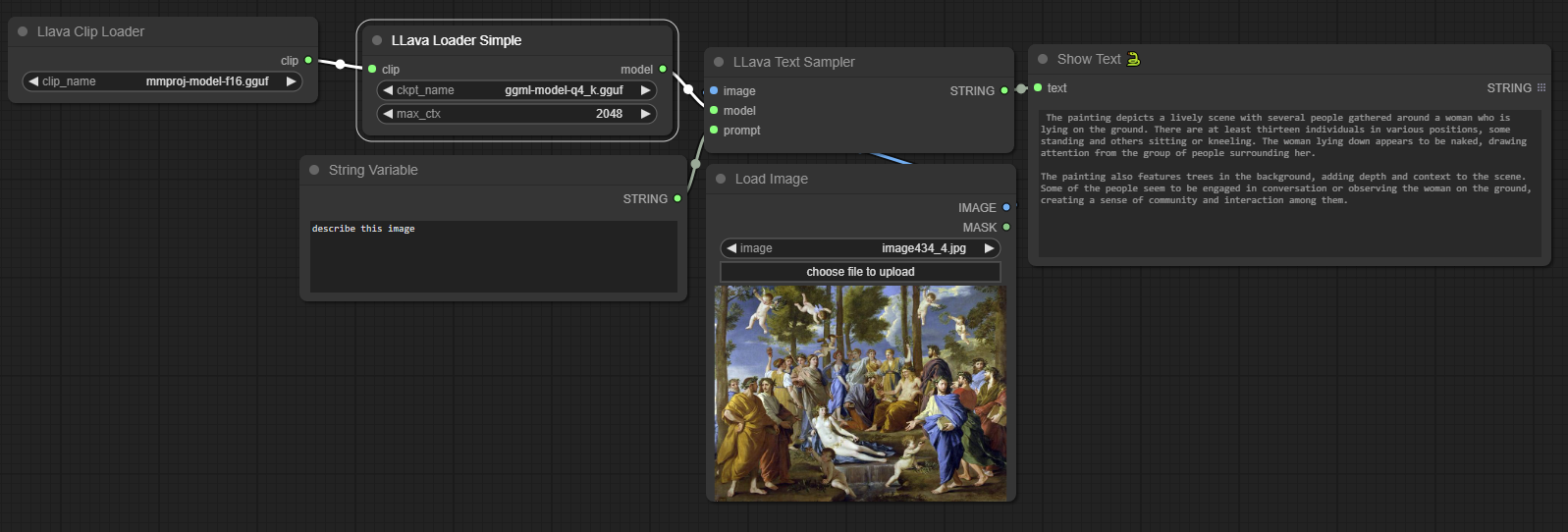
|
||||
Run local checks with:
|
||||
|
||||
## Example Using Automatic Prompt Generation
|
||||
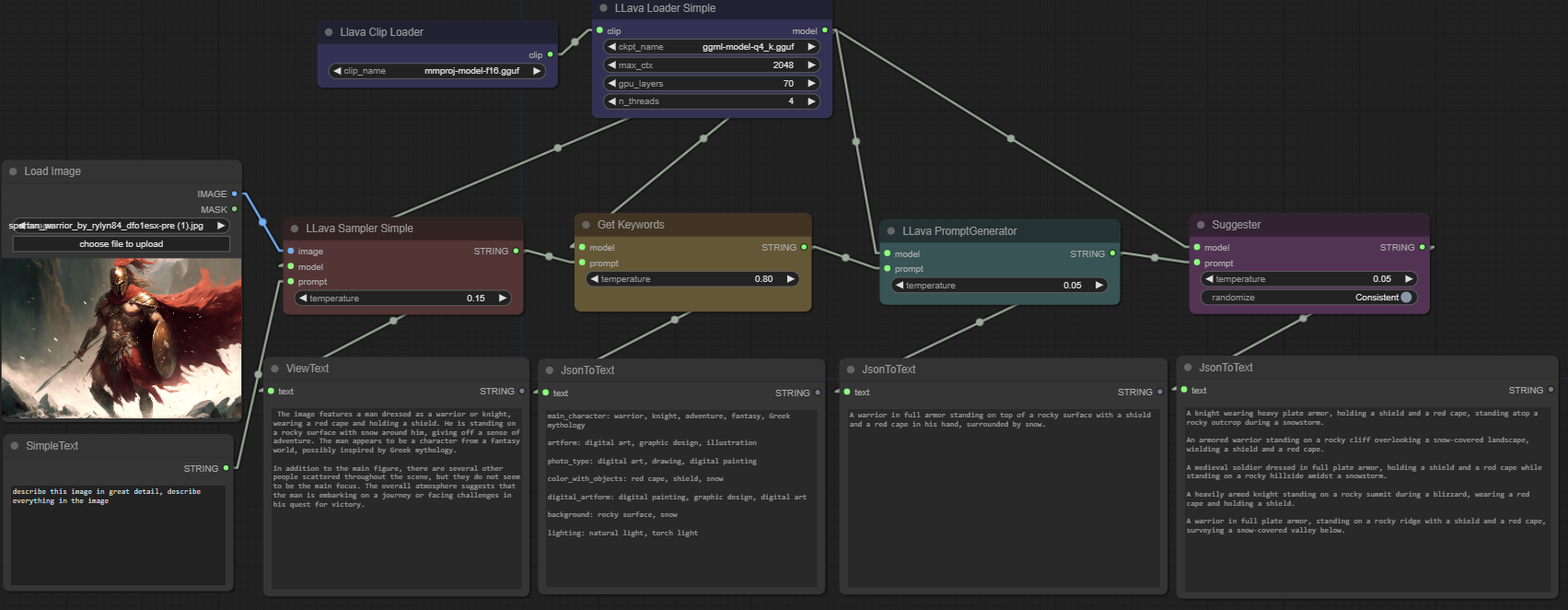
|
||||
```bash
|
||||
PYTHONPATH=/path/to:/path/to/ComfyUI python -m pytest -q
|
||||
```
|
||||
|
||||
## LLM Nodes
|
||||

|
||||
Real-weight checks are opt-in because they download multi-gigabyte checkpoints:
|
||||
|
||||
## Example UForm-Gen2 Qwen Node
|
||||
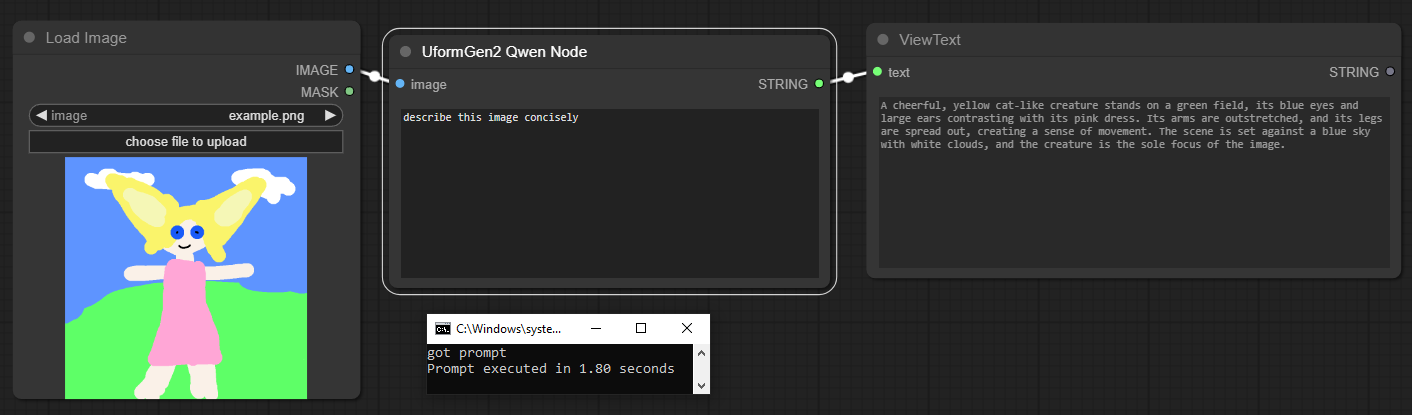
|
||||
```bash
|
||||
python tests/manual_model_smoke.py --model "Qwen 3 VL 4B Instruct"
|
||||
python tests/manual_specialized_smoke.py --backend florence-large
|
||||
```
|
||||
|
||||
# Example Kosmos-2 Node
|
||||
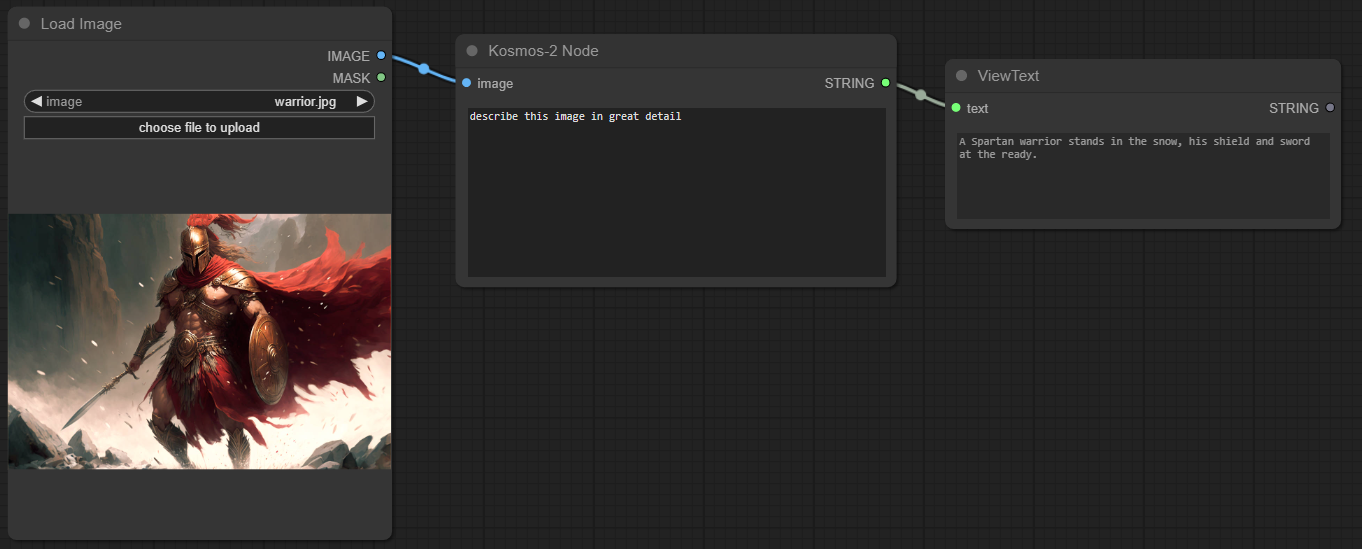
|
||||
|
||||
## Example moondream
|
||||
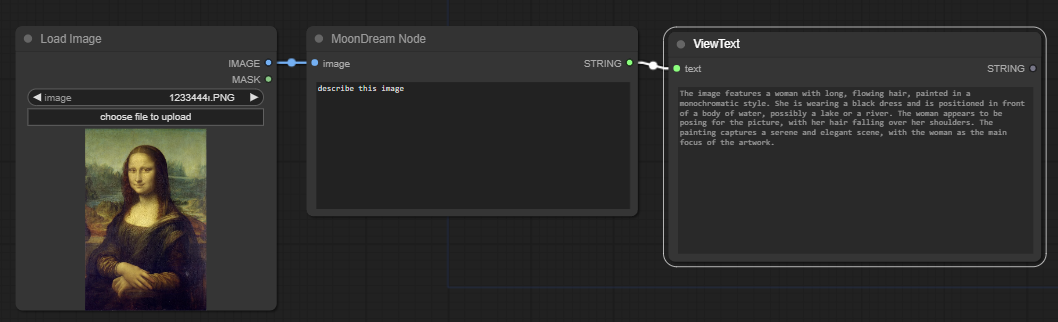
|
||||
|
||||
## Example Joytag
|
||||

|
||||
|
||||
## Example Prompt Generation
|
||||
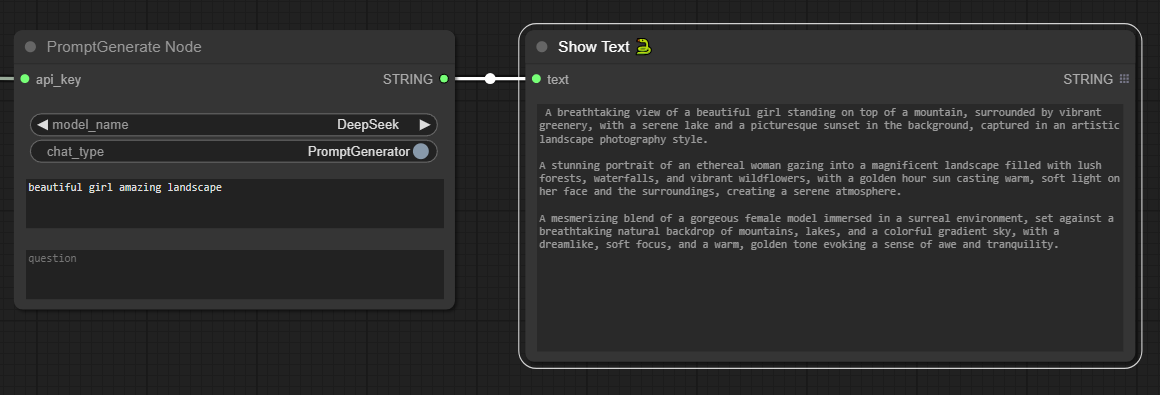
|
||||
|
||||
## Example SimpleChat
|
||||
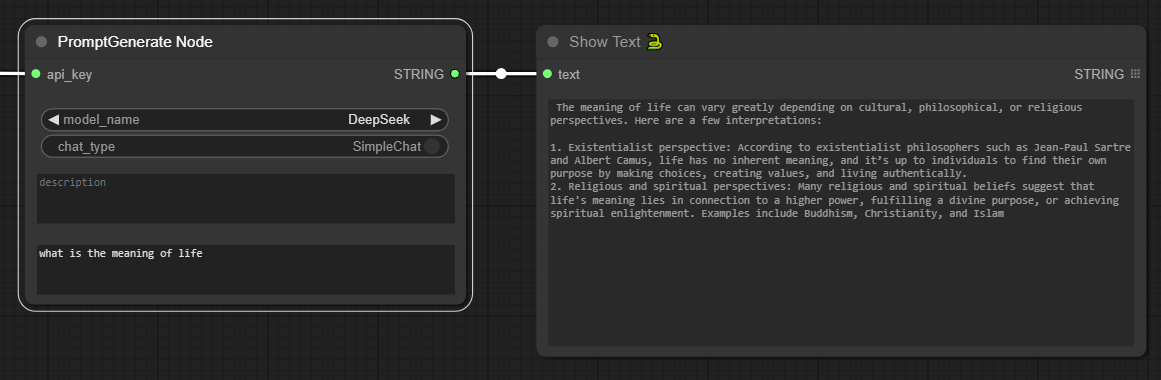
|
||||
|
||||
## Example LLava Sampler Advanced
|
||||
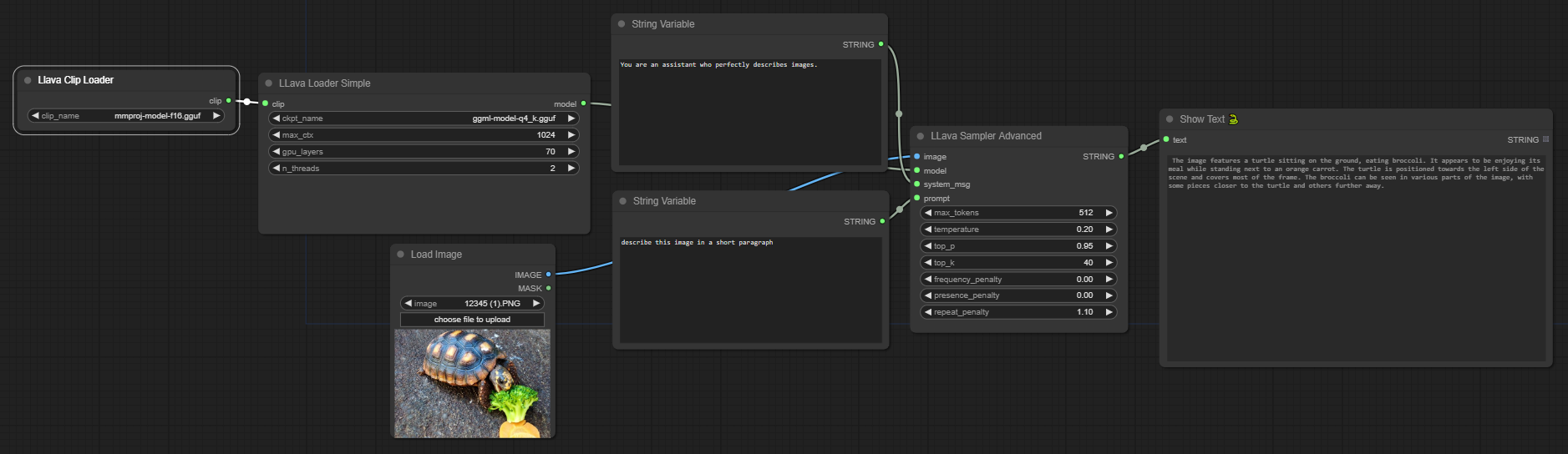
|
||||
See [MODEL_VALIDATION.md](MODEL_VALIDATION.md) for the exact real-weight and
|
||||
catalog-only evidence matrix.
|
||||
|
||||
Please report reproducible bugs at the
|
||||
[issue tracker](https://github.com/gokayfem/ComfyUI_VLM_nodes/issues).
|
||||
|
||||
+39
-54
@@ -1,70 +1,55 @@
|
||||
import importlib.util
|
||||
import os
|
||||
import importlib
|
||||
import pkg_resources
|
||||
import sys
|
||||
import subprocess
|
||||
import folder_paths
|
||||
import logging
|
||||
|
||||
supported_LLava_extensions = set(['.gguf'])
|
||||
from .nodes.runtime import register_model_folder
|
||||
|
||||
try:
|
||||
folder_paths.folder_names_and_paths["LLavacheckpoints"] = (folder_paths.folder_names_and_paths["LLavacheckpoints"][0], supported_LLava_extensions)
|
||||
except:
|
||||
# check if LLavacheckpoints exists otherwise create
|
||||
if not os.path.isdir(os.path.join(folder_paths.models_dir, "LLavacheckpoints")):
|
||||
os.mkdir(os.path.join(folder_paths.models_dir, "LLavacheckpoints"))
|
||||
|
||||
folder_paths.folder_names_and_paths["LLavacheckpoints"] = ([os.path.join(folder_paths.models_dir, "LLavacheckpoints")], supported_LLava_extensions)
|
||||
# Define the check_requirements_installed function here or import it
|
||||
def check_requirements_installed(requirements_path):
|
||||
with open(requirements_path, 'r') as f:
|
||||
requirements = [pkg_resources.Requirement.parse(line.strip()) for line in f if line.strip()]
|
||||
|
||||
installed_packages = {pkg.key: pkg for pkg in pkg_resources.working_set}
|
||||
missing_packages = []
|
||||
for requirement in requirements:
|
||||
if requirement.key not in installed_packages or not installed_packages[requirement.key] in requirement:
|
||||
missing_packages.append(str(requirement))
|
||||
|
||||
if missing_packages:
|
||||
print(f"Missing or outdated packages: {', '.join(missing_packages)}")
|
||||
print("Installing/Updating missing packages...")
|
||||
subprocess.check_call([sys.executable, '-s', '-m', 'pip', 'install', *missing_packages])
|
||||
else:
|
||||
print("All packages from requirements.txt are installed and up to date.")
|
||||
requirements_path = os.path.join(os.path.dirname(os.path.realpath(__file__)), "requirements.txt")
|
||||
check_requirements_installed(requirements_path)
|
||||
|
||||
from .install_init import init, install_llama
|
||||
install_llama()
|
||||
llama_cpp_agent_path = os.path.join(os.path.dirname(os.path.realpath(__file__)), "cpp_agent_req.txt")
|
||||
check_requirements_installed(llama_cpp_agent_path)
|
||||
init()
|
||||
LOGGER = logging.getLogger("ComfyUI_VLM_nodes")
|
||||
register_model_folder()
|
||||
|
||||
node_list = [
|
||||
"moondream_script",
|
||||
"simpletext",
|
||||
"llavaloader",
|
||||
"suggest",
|
||||
"joytag",
|
||||
"uform",
|
||||
"kosmos2",
|
||||
"audioldm2",
|
||||
"playmusic",
|
||||
"diagnostics",
|
||||
"florence2",
|
||||
"joytag",
|
||||
"kosmos2",
|
||||
"llavaloader",
|
||||
"mcllava",
|
||||
"minicpm",
|
||||
"modern_vlm",
|
||||
"molmo",
|
||||
"moondream2",
|
||||
"moondream_script",
|
||||
"paligemma",
|
||||
"playmusic",
|
||||
"qwen2vl",
|
||||
"simpletext",
|
||||
"suggest",
|
||||
"uform",
|
||||
]
|
||||
|
||||
NODE_CLASS_MAPPINGS = {}
|
||||
NODE_DISPLAY_NAME_MAPPINGS = {}
|
||||
IMPORT_ERRORS = {}
|
||||
|
||||
for module_name in node_list:
|
||||
imported_module = importlib.import_module(f".nodes.{module_name}", __name__)
|
||||
try:
|
||||
imported_module = importlib.import_module(f".nodes.{module_name}", __name__)
|
||||
except Exception as exc:
|
||||
# A broken optional model must never prevent unrelated nodes from loading.
|
||||
IMPORT_ERRORS[module_name] = f"{type(exc).__name__}: {exc}"
|
||||
LOGGER.exception("Could not load optional node module %s", module_name)
|
||||
continue
|
||||
NODE_CLASS_MAPPINGS.update(
|
||||
getattr(imported_module, "NODE_CLASS_MAPPINGS", {})
|
||||
)
|
||||
NODE_DISPLAY_NAME_MAPPINGS.update(
|
||||
getattr(imported_module, "NODE_DISPLAY_NAME_MAPPINGS", {})
|
||||
)
|
||||
|
||||
NODE_CLASS_MAPPINGS = {**NODE_CLASS_MAPPINGS, **imported_module.NODE_CLASS_MAPPINGS}
|
||||
NODE_DISPLAY_NAME_MAPPINGS = {**NODE_DISPLAY_NAME_MAPPINGS, **imported_module.NODE_DISPLAY_NAME_MAPPINGS}
|
||||
|
||||
WEB_DIRECTORY = "./web"
|
||||
__all__ = ["NODE_CLASS_MAPPINGS", "NODE_DISPLAY_NAME_MAPPINGS", "WEB_DIRECTORY"]
|
||||
|
||||
|
||||
__all__ = [
|
||||
"NODE_CLASS_MAPPINGS",
|
||||
"NODE_DISPLAY_NAME_MAPPINGS",
|
||||
"WEB_DIRECTORY",
|
||||
]
|
||||
|
||||
@@ -1,5 +0,0 @@
|
||||
llama-cpp-agent==0.0.17
|
||||
mkdocs
|
||||
mkdocs-material
|
||||
mkdocstrings[python]
|
||||
docstring-parser
|
||||
@@ -0,0 +1,690 @@
|
||||
{
|
||||
"last_node_id": 43,
|
||||
"last_link_id": 54,
|
||||
"nodes": [
|
||||
{
|
||||
"id": 31,
|
||||
"type": "LlavaClipLoader",
|
||||
"pos": [
|
||||
439.6340175903321,
|
||||
172.3240056098938
|
||||
],
|
||||
"size": {
|
||||
"0": 315,
|
||||
"1": 58
|
||||
},
|
||||
"flags": {},
|
||||
"order": 0,
|
||||
"mode": 0,
|
||||
"outputs": [
|
||||
{
|
||||
"name": "clip",
|
||||
"type": "CUSTOM",
|
||||
"links": [
|
||||
37
|
||||
],
|
||||
"shape": 3
|
||||
}
|
||||
],
|
||||
"properties": {
|
||||
"Node name for S&R": "LlavaClipLoader"
|
||||
},
|
||||
"widgets_values": [
|
||||
"mistrallava16clip.gguf"
|
||||
]
|
||||
},
|
||||
{
|
||||
"id": 35,
|
||||
"type": "SimpleText",
|
||||
"pos": [
|
||||
1145.0176354455555,
|
||||
158.27893214202888
|
||||
],
|
||||
"size": {
|
||||
"0": 378.79046630859375,
|
||||
"1": 186.27911376953125
|
||||
},
|
||||
"flags": {},
|
||||
"order": 1,
|
||||
"mode": 0,
|
||||
"outputs": [
|
||||
{
|
||||
"name": "STRING",
|
||||
"type": "STRING",
|
||||
"links": [
|
||||
41
|
||||
],
|
||||
"shape": 3,
|
||||
"slot_index": 0
|
||||
}
|
||||
],
|
||||
"properties": {
|
||||
"Node name for S&R": "SimpleText"
|
||||
},
|
||||
"widgets_values": [
|
||||
"You are an advanced AI that shortens descriptions into sentences.\n\nExample 1: Birds singing sweetly in a blooming garden\nExample 2: A modern synthesizer creating futuristic soundscapes\nExample 3: The vibrant beat of Brazilian samba drums"
|
||||
],
|
||||
"color": "#232",
|
||||
"bgcolor": "#353"
|
||||
},
|
||||
{
|
||||
"id": 32,
|
||||
"type": "SimpleText",
|
||||
"pos": [
|
||||
439.6340175903321,
|
||||
452.3240056098937
|
||||
],
|
||||
"size": {
|
||||
"0": 318.79754638671875,
|
||||
"1": 82.05603790283203
|
||||
},
|
||||
"flags": {},
|
||||
"order": 2,
|
||||
"mode": 0,
|
||||
"outputs": [
|
||||
{
|
||||
"name": "STRING",
|
||||
"type": "STRING",
|
||||
"links": [
|
||||
38
|
||||
],
|
||||
"shape": 3,
|
||||
"slot_index": 0
|
||||
}
|
||||
],
|
||||
"properties": {
|
||||
"Node name for S&R": "SimpleText"
|
||||
},
|
||||
"widgets_values": [
|
||||
"describe this image in short, concisely"
|
||||
],
|
||||
"color": "#232",
|
||||
"bgcolor": "#353"
|
||||
},
|
||||
{
|
||||
"id": 38,
|
||||
"type": "SimpleText",
|
||||
"pos": [
|
||||
647.6433994140625,
|
||||
1010.9179632824712
|
||||
],
|
||||
"size": {
|
||||
"0": 318.79754638671875,
|
||||
"1": 82.05603790283203
|
||||
},
|
||||
"flags": {},
|
||||
"order": 3,
|
||||
"mode": 0,
|
||||
"outputs": [
|
||||
{
|
||||
"name": "STRING",
|
||||
"type": "STRING",
|
||||
"links": [
|
||||
45
|
||||
],
|
||||
"shape": 3,
|
||||
"slot_index": 0
|
||||
}
|
||||
],
|
||||
"properties": {
|
||||
"Node name for S&R": "SimpleText"
|
||||
},
|
||||
"widgets_values": [
|
||||
"Low quality, average quality."
|
||||
],
|
||||
"color": "#322",
|
||||
"bgcolor": "#533"
|
||||
},
|
||||
{
|
||||
"id": 29,
|
||||
"type": "LLavaSamplerSimple",
|
||||
"pos": [
|
||||
769.6340175903323,
|
||||
182.3240056098938
|
||||
],
|
||||
"size": {
|
||||
"0": 315,
|
||||
"1": 102
|
||||
},
|
||||
"flags": {},
|
||||
"order": 6,
|
||||
"mode": 0,
|
||||
"inputs": [
|
||||
{
|
||||
"name": "image",
|
||||
"type": "IMAGE",
|
||||
"link": 39,
|
||||
"slot_index": 0
|
||||
},
|
||||
{
|
||||
"name": "model",
|
||||
"type": "CUSTOM",
|
||||
"link": 36,
|
||||
"slot_index": 1
|
||||
},
|
||||
{
|
||||
"name": "prompt",
|
||||
"type": "STRING",
|
||||
"link": 38,
|
||||
"widget": {
|
||||
"name": "prompt"
|
||||
},
|
||||
"slot_index": 2
|
||||
}
|
||||
],
|
||||
"outputs": [
|
||||
{
|
||||
"name": "STRING",
|
||||
"type": "STRING",
|
||||
"links": [
|
||||
42,
|
||||
43
|
||||
],
|
||||
"shape": 3,
|
||||
"slot_index": 0
|
||||
}
|
||||
],
|
||||
"properties": {
|
||||
"Node name for S&R": "LLavaSamplerSimple"
|
||||
},
|
||||
"widgets_values": [
|
||||
"",
|
||||
0.1
|
||||
]
|
||||
},
|
||||
{
|
||||
"id": 36,
|
||||
"type": "ViewText",
|
||||
"pos": [
|
||||
774,
|
||||
325
|
||||
],
|
||||
"size": {
|
||||
"0": 303.2503967285156,
|
||||
"1": 156.48916625976562
|
||||
},
|
||||
"flags": {},
|
||||
"order": 8,
|
||||
"mode": 0,
|
||||
"inputs": [
|
||||
{
|
||||
"name": "text",
|
||||
"type": "STRING",
|
||||
"link": 43,
|
||||
"widget": {
|
||||
"name": "text"
|
||||
}
|
||||
}
|
||||
],
|
||||
"outputs": [
|
||||
{
|
||||
"name": "STRING",
|
||||
"type": "STRING",
|
||||
"links": null,
|
||||
"shape": 3
|
||||
}
|
||||
],
|
||||
"properties": {
|
||||
"Node name for S&R": "ViewText"
|
||||
},
|
||||
"widgets_values": [
|
||||
"",
|
||||
" The image shows a group of dancers performing on stage. They are dressed in colorful costumes with vibrant patterns and shades of green, yellow, and pink. The dancers appear to be in motion, suggesting they are dancing. The lighting is dim, which highlights the performers and creates a dramatic atmosphere. There is no visible text or branding in the image. The style of the image is a candid photograph capturing a live performance. "
|
||||
]
|
||||
},
|
||||
{
|
||||
"id": 30,
|
||||
"type": "LLava Loader Simple",
|
||||
"pos": [
|
||||
439.6340175903321,
|
||||
272.3240056098937
|
||||
],
|
||||
"size": {
|
||||
"0": 315,
|
||||
"1": 130
|
||||
},
|
||||
"flags": {},
|
||||
"order": 5,
|
||||
"mode": 0,
|
||||
"inputs": [
|
||||
{
|
||||
"name": "clip",
|
||||
"type": "CUSTOM",
|
||||
"link": 37,
|
||||
"slot_index": 0
|
||||
}
|
||||
],
|
||||
"outputs": [
|
||||
{
|
||||
"name": "model",
|
||||
"type": "CUSTOM",
|
||||
"links": [
|
||||
36,
|
||||
40
|
||||
],
|
||||
"shape": 3
|
||||
}
|
||||
],
|
||||
"properties": {
|
||||
"Node name for S&R": "LLava Loader Simple"
|
||||
},
|
||||
"widgets_values": [
|
||||
"llava-v1.6-mistral-7b.Q5_K_M.gguf",
|
||||
2048,
|
||||
100,
|
||||
2
|
||||
]
|
||||
},
|
||||
{
|
||||
"id": 33,
|
||||
"type": "LoadImage",
|
||||
"pos": [
|
||||
100,
|
||||
172
|
||||
],
|
||||
"size": {
|
||||
"0": 328.0104675292969,
|
||||
"1": 361.09918212890625
|
||||
},
|
||||
"flags": {},
|
||||
"order": 4,
|
||||
"mode": 0,
|
||||
"outputs": [
|
||||
{
|
||||
"name": "IMAGE",
|
||||
"type": "IMAGE",
|
||||
"links": [
|
||||
39
|
||||
],
|
||||
"shape": 3
|
||||
},
|
||||
{
|
||||
"name": "MASK",
|
||||
"type": "MASK",
|
||||
"links": null,
|
||||
"shape": 3
|
||||
}
|
||||
],
|
||||
"properties": {
|
||||
"Node name for S&R": "LoadImage"
|
||||
},
|
||||
"widgets_values": [
|
||||
"412342132.PNG",
|
||||
"image"
|
||||
]
|
||||
},
|
||||
{
|
||||
"id": 34,
|
||||
"type": "LLMSampler",
|
||||
"pos": [
|
||||
1536,
|
||||
193
|
||||
],
|
||||
"size": {
|
||||
"0": 315,
|
||||
"1": 298
|
||||
},
|
||||
"flags": {},
|
||||
"order": 7,
|
||||
"mode": 0,
|
||||
"inputs": [
|
||||
{
|
||||
"name": "model",
|
||||
"type": "CUSTOM",
|
||||
"link": 40,
|
||||
"slot_index": 0
|
||||
},
|
||||
{
|
||||
"name": "prompt",
|
||||
"type": "STRING",
|
||||
"link": 42,
|
||||
"widget": {
|
||||
"name": "prompt"
|
||||
},
|
||||
"slot_index": 1
|
||||
},
|
||||
{
|
||||
"name": "system_msg",
|
||||
"type": "STRING",
|
||||
"link": 41,
|
||||
"widget": {
|
||||
"name": "system_msg"
|
||||
}
|
||||
}
|
||||
],
|
||||
"outputs": [
|
||||
{
|
||||
"name": "STRING",
|
||||
"type": "STRING",
|
||||
"links": [
|
||||
44,
|
||||
48
|
||||
],
|
||||
"shape": 3,
|
||||
"slot_index": 0
|
||||
}
|
||||
],
|
||||
"properties": {
|
||||
"Node name for S&R": "LLMSampler"
|
||||
},
|
||||
"widgets_values": [
|
||||
"You are an assistant who perfectly describes images.",
|
||||
"",
|
||||
512,
|
||||
0.1,
|
||||
0.95,
|
||||
40,
|
||||
0,
|
||||
0,
|
||||
1.1,
|
||||
617,
|
||||
"randomize"
|
||||
]
|
||||
},
|
||||
{
|
||||
"id": 40,
|
||||
"type": "ViewText",
|
||||
"pos": [
|
||||
1162,
|
||||
399
|
||||
],
|
||||
"size": {
|
||||
"0": 345.2934265136719,
|
||||
"1": 106.57048034667969
|
||||
},
|
||||
"flags": {},
|
||||
"order": 10,
|
||||
"mode": 0,
|
||||
"inputs": [
|
||||
{
|
||||
"name": "text",
|
||||
"type": "STRING",
|
||||
"link": 48,
|
||||
"widget": {
|
||||
"name": "text"
|
||||
}
|
||||
}
|
||||
],
|
||||
"outputs": [
|
||||
{
|
||||
"name": "STRING",
|
||||
"type": "STRING",
|
||||
"links": null,
|
||||
"shape": 3
|
||||
}
|
||||
],
|
||||
"properties": {
|
||||
"Node name for S&R": "ViewText"
|
||||
},
|
||||
"widgets_values": [
|
||||
"",
|
||||
" Dancers in colorful costumes performing on stage under dim lighting. "
|
||||
]
|
||||
},
|
||||
{
|
||||
"id": 43,
|
||||
"type": "PlayMusic",
|
||||
"pos": [
|
||||
1033,
|
||||
720
|
||||
],
|
||||
"size": [
|
||||
315,
|
||||
130
|
||||
],
|
||||
"flags": {},
|
||||
"order": 11,
|
||||
"mode": 0,
|
||||
"inputs": [
|
||||
{
|
||||
"name": "wave_form",
|
||||
"type": "COMBO",
|
||||
"link": 53,
|
||||
"widget": {
|
||||
"name": "wave_form"
|
||||
}
|
||||
},
|
||||
{
|
||||
"name": "sample_rate",
|
||||
"type": "INT",
|
||||
"link": 54,
|
||||
"widget": {
|
||||
"name": "sample_rate"
|
||||
}
|
||||
}
|
||||
],
|
||||
"outputs": [
|
||||
{
|
||||
"name": "*",
|
||||
"type": "*",
|
||||
"links": null,
|
||||
"shape": 6
|
||||
}
|
||||
],
|
||||
"properties": {
|
||||
"Node name for S&R": "PlayMusic"
|
||||
},
|
||||
"widgets_values": [
|
||||
"always",
|
||||
0.5,
|
||||
null,
|
||||
0
|
||||
]
|
||||
},
|
||||
{
|
||||
"id": 37,
|
||||
"type": "AudioLDM2Node",
|
||||
"pos": [
|
||||
666,
|
||||
725
|
||||
],
|
||||
"size": {
|
||||
"0": 315,
|
||||
"1": 222
|
||||
},
|
||||
"flags": {},
|
||||
"order": 9,
|
||||
"mode": 0,
|
||||
"inputs": [
|
||||
{
|
||||
"name": "text",
|
||||
"type": "STRING",
|
||||
"link": 44,
|
||||
"widget": {
|
||||
"name": "text"
|
||||
}
|
||||
},
|
||||
{
|
||||
"name": "negative_prompt",
|
||||
"type": "STRING",
|
||||
"link": 45,
|
||||
"widget": {
|
||||
"name": "negative_prompt"
|
||||
},
|
||||
"slot_index": 1
|
||||
}
|
||||
],
|
||||
"outputs": [
|
||||
{
|
||||
"name": "wave_form",
|
||||
"type": "*",
|
||||
"links": [
|
||||
53
|
||||
],
|
||||
"shape": 3,
|
||||
"slot_index": 0
|
||||
},
|
||||
{
|
||||
"name": "sample_rate",
|
||||
"type": "INT",
|
||||
"links": [
|
||||
54
|
||||
],
|
||||
"shape": 3,
|
||||
"slot_index": 1
|
||||
}
|
||||
],
|
||||
"properties": {
|
||||
"Node name for S&R": "AudioLDM2Node"
|
||||
},
|
||||
"widgets_values": [
|
||||
"",
|
||||
"",
|
||||
10,
|
||||
3.5,
|
||||
995,
|
||||
"randomize",
|
||||
3,
|
||||
16000,
|
||||
"mp3"
|
||||
]
|
||||
}
|
||||
],
|
||||
"links": [
|
||||
[
|
||||
36,
|
||||
30,
|
||||
0,
|
||||
29,
|
||||
1,
|
||||
"CUSTOM"
|
||||
],
|
||||
[
|
||||
37,
|
||||
31,
|
||||
0,
|
||||
30,
|
||||
0,
|
||||
"CUSTOM"
|
||||
],
|
||||
[
|
||||
38,
|
||||
32,
|
||||
0,
|
||||
29,
|
||||
2,
|
||||
"STRING"
|
||||
],
|
||||
[
|
||||
39,
|
||||
33,
|
||||
0,
|
||||
29,
|
||||
0,
|
||||
"IMAGE"
|
||||
],
|
||||
[
|
||||
40,
|
||||
30,
|
||||
0,
|
||||
34,
|
||||
0,
|
||||
"CUSTOM"
|
||||
],
|
||||
[
|
||||
41,
|
||||
35,
|
||||
0,
|
||||
34,
|
||||
2,
|
||||
"STRING"
|
||||
],
|
||||
[
|
||||
42,
|
||||
29,
|
||||
0,
|
||||
34,
|
||||
1,
|
||||
"STRING"
|
||||
],
|
||||
[
|
||||
43,
|
||||
29,
|
||||
0,
|
||||
36,
|
||||
0,
|
||||
"STRING"
|
||||
],
|
||||
[
|
||||
44,
|
||||
34,
|
||||
0,
|
||||
37,
|
||||
0,
|
||||
"STRING"
|
||||
],
|
||||
[
|
||||
45,
|
||||
38,
|
||||
0,
|
||||
37,
|
||||
1,
|
||||
"STRING"
|
||||
],
|
||||
[
|
||||
48,
|
||||
34,
|
||||
0,
|
||||
40,
|
||||
0,
|
||||
"STRING"
|
||||
],
|
||||
[
|
||||
53,
|
||||
37,
|
||||
0,
|
||||
43,
|
||||
0,
|
||||
"COMBO"
|
||||
],
|
||||
[
|
||||
54,
|
||||
37,
|
||||
1,
|
||||
43,
|
||||
1,
|
||||
"INT"
|
||||
]
|
||||
],
|
||||
"groups": [
|
||||
{
|
||||
"title": "VLM",
|
||||
"bounding": [
|
||||
90,
|
||||
98,
|
||||
1005,
|
||||
446
|
||||
],
|
||||
"color": "#3f789e",
|
||||
"font_size": 24,
|
||||
"locked": false
|
||||
},
|
||||
{
|
||||
"title": "LLM",
|
||||
"bounding": [
|
||||
1135,
|
||||
84,
|
||||
733,
|
||||
491
|
||||
],
|
||||
"color": "#a1309b",
|
||||
"font_size": 24,
|
||||
"locked": false
|
||||
},
|
||||
{
|
||||
"title": "Sound",
|
||||
"bounding": [
|
||||
638,
|
||||
667,
|
||||
711,
|
||||
436
|
||||
],
|
||||
"color": "#b58b2a",
|
||||
"font_size": 24,
|
||||
"locked": false
|
||||
}
|
||||
],
|
||||
"config": {},
|
||||
"extra": {},
|
||||
"version": 0.4
|
||||
}
|
||||
-325
@@ -1,325 +0,0 @@
|
||||
import os
|
||||
import json
|
||||
import shutil
|
||||
from os.path import join, dirname, abspath, exists
|
||||
from os import makedirs, symlink, readlink
|
||||
import platform
|
||||
import subprocess
|
||||
import sys
|
||||
import importlib.util
|
||||
import re
|
||||
import torch
|
||||
import packaging.tags
|
||||
from requests import get
|
||||
import asyncio
|
||||
import inspect
|
||||
import aiohttp
|
||||
from server import PromptServer
|
||||
from tqdm import tqdm
|
||||
import pkg_resources
|
||||
|
||||
|
||||
def install_package(package_name, custom_command=None):
|
||||
if not package_is_installed(package_name):
|
||||
print(f"Installing {package_name}...")
|
||||
command = [sys.executable, "-m", "pip", "install", package_name, "--no-cache-dir"]
|
||||
if custom_command:
|
||||
command += custom_command.split()
|
||||
subprocess.check_call(command)
|
||||
else:
|
||||
print(f"{package_name} is already installed.")
|
||||
|
||||
def package_is_installed(package_name):
|
||||
return importlib.util.find_spec(package_name) is not None
|
||||
|
||||
def install_llama():
|
||||
"""Install llama-cpp-python with consideration for macOS or other OS specifics."""
|
||||
imported = package_is_installed("llama-cpp-python") or package_is_installed("llama_cpp")
|
||||
if not imported:
|
||||
install_package("llama-cpp-python")
|
||||
|
||||
else:
|
||||
print("llama-cpp-python is already installed.")
|
||||
|
||||
config = None
|
||||
|
||||
def is_logging_enabled():
|
||||
config = get_extension_config()
|
||||
if "logging" not in config:
|
||||
return False
|
||||
return config["logging"]
|
||||
|
||||
def log(message, type=None, always=False, name=None):
|
||||
if not always and not is_logging_enabled():
|
||||
return
|
||||
|
||||
if type is not None:
|
||||
message = f"[{type}] {message}"
|
||||
|
||||
if name is None:
|
||||
name = get_extension_config()["name"]
|
||||
|
||||
print(f"(vlmnodes:{name}) {message}")
|
||||
|
||||
def get_ext_dir(subpath=None, mkdir=False):
|
||||
dir = os.path.dirname(__file__)
|
||||
if subpath is not None:
|
||||
dir = os.path.join(dir, subpath)
|
||||
|
||||
dir = os.path.abspath(dir)
|
||||
|
||||
if mkdir and not os.path.exists(dir):
|
||||
os.makedirs(dir)
|
||||
return dir
|
||||
|
||||
def get_comfy_dir(subpath=None, mkdir=False):
|
||||
dir = os.path.dirname(inspect.getfile(PromptServer))
|
||||
if subpath is not None:
|
||||
dir = os.path.join(dir, subpath)
|
||||
|
||||
dir = os.path.abspath(dir)
|
||||
|
||||
if mkdir and not os.path.exists(dir):
|
||||
os.makedirs(dir)
|
||||
return dir
|
||||
|
||||
def get_web_ext_dir():
|
||||
config = get_extension_config()
|
||||
name = config["name"]
|
||||
dir = get_comfy_dir("web/extensions/vlmnodes")
|
||||
if not os.path.exists(dir):
|
||||
os.makedirs(dir)
|
||||
dir = os.path.join(dir, name)
|
||||
return dir
|
||||
|
||||
|
||||
def get_extension_config(reload=False):
|
||||
global config
|
||||
if reload == False and config is not None:
|
||||
return config
|
||||
|
||||
config_path = get_ext_dir("vlmnodes.json")
|
||||
default_config_path = get_ext_dir("vlmnodes.default.json")
|
||||
if not os.path.exists(config_path):
|
||||
if os.path.exists(default_config_path):
|
||||
shutil.copy(default_config_path, config_path)
|
||||
if not os.path.exists(config_path):
|
||||
log(f"Failed to create config at {config_path}", type="ERROR", always=True, name="???")
|
||||
print(f"Extension path: {get_ext_dir()}")
|
||||
return {"name": "Unknown", "version": -1}
|
||||
|
||||
else:
|
||||
log("Missing pysssss.default.json, this extension may not work correctly. Please reinstall the extension.",
|
||||
type="ERROR", always=True, name="???")
|
||||
print(f"Extension path: {get_ext_dir()}")
|
||||
return {"name": "Unknown", "version": -1}
|
||||
|
||||
with open(config_path, "r") as f:
|
||||
config = json.loads(f.read())
|
||||
return config
|
||||
|
||||
def link_js(src, dst):
|
||||
src = os.path.abspath(src)
|
||||
dst = os.path.abspath(dst)
|
||||
if os.name == "nt":
|
||||
try:
|
||||
import _winapi
|
||||
_winapi.CreateJunction(src, dst)
|
||||
return True
|
||||
except:
|
||||
pass
|
||||
try:
|
||||
os.symlink(src, dst)
|
||||
return True
|
||||
except:
|
||||
import logging
|
||||
logging.exception('')
|
||||
return False
|
||||
|
||||
def is_junction(path):
|
||||
if os.name != "nt":
|
||||
return False
|
||||
try:
|
||||
return bool(os.readlink(path))
|
||||
except OSError:
|
||||
return False
|
||||
|
||||
def install_js():
|
||||
src_dir = get_ext_dir("web/js")
|
||||
if not os.path.exists(src_dir):
|
||||
log("No JS")
|
||||
return
|
||||
|
||||
should_install = should_install_js()
|
||||
if should_install:
|
||||
log("it looks like you're running an old version of ComfyUI that requires manual setup of web files, it is recommended you update your installation.", "warning", True)
|
||||
dst_dir = get_web_ext_dir()
|
||||
linked = os.path.islink(dst_dir) or is_junction(dst_dir)
|
||||
if linked or os.path.exists(dst_dir):
|
||||
if linked:
|
||||
if should_install:
|
||||
log("JS already linked")
|
||||
else:
|
||||
os.unlink(dst_dir)
|
||||
log("JS unlinked, PromptServer will serve extension")
|
||||
elif not should_install:
|
||||
shutil.rmtree(dst_dir)
|
||||
log("JS deleted, PromptServer will serve extension")
|
||||
return
|
||||
|
||||
if not should_install:
|
||||
log("JS skipped, PromptServer will serve extension")
|
||||
return
|
||||
|
||||
if link_js(src_dir, dst_dir):
|
||||
log("JS linked")
|
||||
return
|
||||
|
||||
log("Copying JS files")
|
||||
shutil.copytree(src_dir, dst_dir, dirs_exist_ok=True)
|
||||
|
||||
def should_install_js():
|
||||
return not hasattr(PromptServer.instance, "supports") or "custom_nodes_from_web" not in PromptServer.instance.supports
|
||||
|
||||
|
||||
def init(check_imports=None):
|
||||
log("Init")
|
||||
|
||||
if check_imports is not None:
|
||||
import importlib.util
|
||||
for imp in check_imports:
|
||||
spec = importlib.util.find_spec(imp)
|
||||
if spec is None:
|
||||
log(f"{imp} is required, please check requirements are installed.",
|
||||
type="ERROR", always=True)
|
||||
return False
|
||||
|
||||
install_js()
|
||||
return True
|
||||
|
||||
|
||||
def get_async_loop():
|
||||
loop = None
|
||||
try:
|
||||
loop = asyncio.get_event_loop()
|
||||
except:
|
||||
loop = asyncio.new_event_loop()
|
||||
asyncio.set_event_loop(loop)
|
||||
return loop
|
||||
|
||||
|
||||
def get_http_session():
|
||||
loop = get_async_loop()
|
||||
return aiohttp.ClientSession(loop=loop)
|
||||
|
||||
|
||||
async def download(url, stream, update_callback=None, session=None):
|
||||
close_session = False
|
||||
if session is None:
|
||||
close_session = True
|
||||
session = get_http_session()
|
||||
try:
|
||||
async with session.get(url) as response:
|
||||
size = int(response.headers.get('content-length', 0)) or None
|
||||
|
||||
with tqdm(
|
||||
unit='B', unit_scale=True, miniters=1, desc=url.split('/')[-1], total=size,
|
||||
) as progressbar:
|
||||
perc = 0
|
||||
async for chunk in response.content.iter_chunked(2048):
|
||||
stream.write(chunk)
|
||||
progressbar.update(len(chunk))
|
||||
if update_callback is not None and progressbar.total is not None and progressbar.total != 0:
|
||||
last = perc
|
||||
perc = round(progressbar.n / progressbar.total, 2)
|
||||
if perc != last:
|
||||
last = perc
|
||||
await update_callback(perc)
|
||||
finally:
|
||||
if close_session and session is not None:
|
||||
await session.close()
|
||||
|
||||
|
||||
async def download_to_file(url, destination, update_callback=None, is_ext_subpath=True, session=None):
|
||||
if is_ext_subpath:
|
||||
destination = get_ext_dir(destination)
|
||||
with open(destination, mode='wb') as f:
|
||||
download(url, f, update_callback, session)
|
||||
|
||||
|
||||
def wait_for_async(async_fn, loop=None):
|
||||
res = []
|
||||
|
||||
async def run_async():
|
||||
r = await async_fn()
|
||||
res.append(r)
|
||||
|
||||
if loop is None:
|
||||
try:
|
||||
loop = asyncio.get_event_loop()
|
||||
except:
|
||||
loop = asyncio.new_event_loop()
|
||||
asyncio.set_event_loop(loop)
|
||||
|
||||
loop.run_until_complete(run_async())
|
||||
|
||||
return res[0]
|
||||
|
||||
|
||||
def update_node_status(client_id, node, text, progress=None):
|
||||
if client_id is None:
|
||||
client_id = PromptServer.instance.client_id
|
||||
|
||||
if client_id is None:
|
||||
return
|
||||
|
||||
PromptServer.instance.send_sync("vlmnodes/update_status", {
|
||||
"node": node,
|
||||
"progress": progress,
|
||||
"text": text
|
||||
}, client_id)
|
||||
|
||||
|
||||
async def update_node_status_async(client_id, node, text, progress=None):
|
||||
if client_id is None:
|
||||
client_id = PromptServer.instance.client_id
|
||||
|
||||
if client_id is None:
|
||||
return
|
||||
|
||||
await PromptServer.instance.send("vlmnodes/update_status", {
|
||||
"node": node,
|
||||
"progress": progress,
|
||||
"text": text
|
||||
}, client_id)
|
||||
|
||||
|
||||
def get_config_value(key, default=None, throw=False):
|
||||
split = key.split(".")
|
||||
obj = get_extension_config()
|
||||
for s in split:
|
||||
if s in obj:
|
||||
obj = obj[s]
|
||||
else:
|
||||
if throw:
|
||||
raise KeyError("Configuration key missing: " + key)
|
||||
else:
|
||||
return default
|
||||
return obj
|
||||
|
||||
|
||||
def is_inside_dir(root_dir, check_path):
|
||||
root_dir = os.path.abspath(root_dir)
|
||||
if not os.path.isabs(check_path):
|
||||
check_path = os.path.abspath(os.path.join(root_dir, check_path))
|
||||
return os.path.commonpath([check_path, root_dir]) == root_dir
|
||||
|
||||
|
||||
def get_child_dir(root_dir, child_path, throw_if_outside=True):
|
||||
child_path = os.path.abspath(os.path.join(root_dir, child_path))
|
||||
if is_inside_dir(root_dir, child_path):
|
||||
return child_path
|
||||
if throw_if_outside:
|
||||
raise NotADirectoryError(
|
||||
"Saving outside the target folder is not allowed.")
|
||||
return None
|
||||
+192
-92
@@ -1,104 +1,203 @@
|
||||
from huggingface_hub import snapshot_download
|
||||
from pathlib import Path
|
||||
import torch
|
||||
import os
|
||||
import soundfile as sf
|
||||
from folder_paths import output_directory
|
||||
import folder_paths
|
||||
import datetime
|
||||
"""Lazy AudioLDM2 generation with legacy and standard ComfyUI AUDIO outputs."""
|
||||
|
||||
from __future__ import annotations
|
||||
|
||||
from pathlib import Path
|
||||
|
||||
# Define the directory for saving files related to the audio model
|
||||
files_for_audio_model = Path(folder_paths.folder_names_and_paths["LLavacheckpoints"][0][0]) / "files_for_audioldm2"
|
||||
files_for_audio_model.mkdir(parents=True, exist_ok=True) # Ensure the directory exists
|
||||
import numpy as np
|
||||
import torch
|
||||
|
||||
import folder_paths
|
||||
|
||||
from .runtime import (
|
||||
CachedModelNode,
|
||||
execution_device,
|
||||
require_module,
|
||||
reserve_external_vram,
|
||||
snapshot_download,
|
||||
torch_dtype,
|
||||
)
|
||||
|
||||
|
||||
class AnyType(str):
|
||||
def __ne__(self, __value: object) -> bool:
|
||||
def __ne__(self, other):
|
||||
return False
|
||||
base_path = os.path.dirname(os.path.realpath(__file__))
|
||||
|
||||
# Our any instance wants to be a wildcard string
|
||||
any = AnyType("*")
|
||||
class AudioLDM2ModelPredictor:
|
||||
|
||||
def __init__(self):
|
||||
from diffusers import AudioLDM2Pipeline
|
||||
self.device = "cuda" if torch.cuda.is_available() else "cpu"
|
||||
torch_dtype = torch.float16 if self.device == "cuda" else torch.float32
|
||||
|
||||
# Use snapshot_download to manage the model download/cache
|
||||
self.model_path = snapshot_download("cvssp/audioldm2",
|
||||
local_dir=files_for_audio_model,
|
||||
force_download=False, # Set to True to always download
|
||||
local_files_only=False, # Download if not available locally
|
||||
use_auth_token=False, # Set to True if using a private model
|
||||
local_dir_use_symlinks="auto", # Auto-manage symlinks
|
||||
ignore_patterns=["*.bin", "*.jpg", "*.png"]) # Ignore unrelated files
|
||||
ANY = AnyType("*")
|
||||
|
||||
self.pipeline = AudioLDM2Pipeline.from_pretrained(self.model_path,
|
||||
torch_dtype=torch_dtype).to(self.device)
|
||||
self.generator = torch.Generator(self.device)
|
||||
|
||||
def generate_audio(self, text, negative_prompt, duration, guidance_scale, random_seed, sample_rate, n_candidates=1, extension="wav"):
|
||||
if text is None:
|
||||
raise ValueError("Please provide a text input.")
|
||||
|
||||
# Manual seed for reproducibility
|
||||
self.generator.manual_seed(int(random_seed))
|
||||
class AudioLDM2Predictor:
|
||||
def __init__(self, cpu_offload=True):
|
||||
diffusers = require_module("diffusers")
|
||||
path = snapshot_download(
|
||||
"cvssp/audioldm2",
|
||||
"audioldm2",
|
||||
ignore_patterns=["*.bin", "*.jpg", "*.png"],
|
||||
)
|
||||
self.device = execution_device()
|
||||
dtype = torch_dtype("float16", self.device)
|
||||
if self.device.type != "cpu":
|
||||
reserve_external_vram(8 * 1024**3)
|
||||
self.pipeline = diffusers.AudioLDM2Pipeline.from_pretrained(
|
||||
path, torch_dtype=dtype
|
||||
)
|
||||
# Accelerate's model CPU offload is currently reliable on the CUDA API,
|
||||
# which covers both NVIDIA CUDA and AMD ROCm PyTorch builds.
|
||||
if self.device.type == "cuda" and cpu_offload:
|
||||
require_module("accelerate")
|
||||
self.pipeline.enable_model_cpu_offload()
|
||||
else:
|
||||
self.pipeline.to(self.device)
|
||||
|
||||
# Generate audio
|
||||
waveforms = self.pipeline(
|
||||
def close(self):
|
||||
self.pipeline = None
|
||||
import gc
|
||||
|
||||
gc.collect()
|
||||
try:
|
||||
import comfy.model_management as model_management
|
||||
|
||||
model_management.soft_empty_cache()
|
||||
except Exception:
|
||||
pass
|
||||
|
||||
def generate(self, text, negative, duration, guidance, seed, count, steps):
|
||||
# MPS generators are not supported by every PyTorch/Diffusers pairing.
|
||||
# A CPU generator remains deterministic and works with every pipeline.
|
||||
generator_device = (
|
||||
self.device if self.device.type in {"cuda", "xpu"} else "cpu"
|
||||
)
|
||||
generator = torch.Generator(device=generator_device).manual_seed(
|
||||
int(seed)
|
||||
)
|
||||
audios = self.pipeline(
|
||||
text,
|
||||
audio_length_in_s=duration,
|
||||
guidance_scale=guidance_scale,
|
||||
num_inference_steps=200,
|
||||
negative_prompt=negative_prompt,
|
||||
num_waveforms_per_prompt=n_candidates,
|
||||
generator=self.generator,
|
||||
)["audios"]
|
||||
|
||||
final_waveforms = waveforms[0].tolist()
|
||||
return (final_waveforms, sample_rate) # Return the path of the generated audio file
|
||||
negative_prompt=negative or None,
|
||||
audio_length_in_s=float(duration),
|
||||
guidance_scale=float(guidance),
|
||||
num_inference_steps=int(steps),
|
||||
num_waveforms_per_prompt=int(count),
|
||||
generator=generator,
|
||||
).audios
|
||||
array = np.asarray(audios, dtype=np.float32)
|
||||
if array.ndim == 1:
|
||||
array = array[None, :]
|
||||
native_rate = int(
|
||||
getattr(
|
||||
getattr(getattr(self.pipeline, "vae", None), "config", None),
|
||||
"sampling_rate",
|
||||
16000,
|
||||
)
|
||||
)
|
||||
return array, native_rate
|
||||
|
||||
|
||||
class AudioLDM2Node:
|
||||
def __init__(self):
|
||||
self.predictor = AudioLDM2ModelPredictor()
|
||||
|
||||
class AudioLDM2Node(CachedModelNode):
|
||||
@classmethod
|
||||
def INPUT_TYPES(cls):
|
||||
return {
|
||||
"required": {
|
||||
"text": ("STRING",{"default": "", "forceInput": True}),
|
||||
"negative_prompt": ("STRING",{"default": "", "forceInput": True}),
|
||||
"duration": ("INT",{"default": 10, "min": 1, "max": 60, "step": 1}),
|
||||
"guidance_scale": ("FLOAT", {"default": 3.5, "min": 0.1, "max": 20.0, "step": 0.1}),
|
||||
"seed": ("INT", {"default": 42, "step": 1}),
|
||||
"n_candidates": ("INT", {"default": 3, "min": 1, "max": 10, "step": 1}),
|
||||
"sample_rate": ("INT", {"default": 16000, "min": 8000, "max": 48000, "step": 1}),
|
||||
"extension": (["wav", "mp3", "flac"], {"default": "wav"}),
|
||||
}
|
||||
"text": ("STRING", {"default": "", "multiline": True}),
|
||||
"negative_prompt": (
|
||||
"STRING",
|
||||
{"default": "", "multiline": True},
|
||||
),
|
||||
"duration": (
|
||||
"INT",
|
||||
{"default": 10, "min": 1, "max": 60},
|
||||
),
|
||||
"guidance_scale": (
|
||||
"FLOAT",
|
||||
{"default": 3.5, "min": 0.1, "max": 20.0, "step": 0.1},
|
||||
),
|
||||
"seed": ("INT", {"default": 42, "min": 0}),
|
||||
"n_candidates": (
|
||||
"INT",
|
||||
{"default": 1, "min": 1, "max": 10},
|
||||
),
|
||||
"sample_rate": (
|
||||
"INT",
|
||||
{"default": 16000, "min": 8000, "max": 48000},
|
||||
),
|
||||
"extension": (["wav", "flac"],),
|
||||
},
|
||||
"optional": {
|
||||
"steps": ("INT", {"default": 100, "min": 10, "max": 500}),
|
||||
"cpu_offload": ("BOOLEAN", {"default": True}),
|
||||
"unload_after": ("BOOLEAN", {"default": False}),
|
||||
},
|
||||
}
|
||||
|
||||
RETURN_NAMES = ("wave_form", "sample_rate", )
|
||||
RETURN_TYPES = (any, "INT", )
|
||||
RETURN_NAMES = ("wave_form", "sample_rate", "audio")
|
||||
RETURN_TYPES = (ANY, "INT", "AUDIO")
|
||||
OUTPUT_NODE = True
|
||||
FUNCTION = "generate_audio_final"
|
||||
|
||||
CATEGORY = "VLM Nodes/Audio"
|
||||
|
||||
def generate_audio_final(self, text, negative_prompt, duration, guidance_scale, sample_rate, seed, n_candidates, extension):
|
||||
wave_form, sample_rate_final = self.predictor.generate_audio(text, negative_prompt, duration, guidance_scale, seed, sample_rate, n_candidates, extension)
|
||||
return (wave_form, sample_rate_final, )
|
||||
def generate_audio_final(
|
||||
self,
|
||||
text,
|
||||
negative_prompt,
|
||||
duration,
|
||||
guidance_scale,
|
||||
sample_rate,
|
||||
seed,
|
||||
n_candidates,
|
||||
extension,
|
||||
steps=100,
|
||||
cpu_offload=True,
|
||||
unload_after=False,
|
||||
):
|
||||
del extension
|
||||
predictor = self.get_or_create_model(
|
||||
("audioldm2", bool(cpu_offload)),
|
||||
lambda: AudioLDM2Predictor(cpu_offload),
|
||||
)
|
||||
try:
|
||||
waveforms, native_rate = predictor.generate(
|
||||
text,
|
||||
negative_prompt,
|
||||
duration,
|
||||
guidance_scale,
|
||||
seed,
|
||||
n_candidates,
|
||||
steps,
|
||||
)
|
||||
if int(sample_rate) != native_rate:
|
||||
samples = torch.from_numpy(waveforms).unsqueeze(1)
|
||||
target_length = round(
|
||||
samples.shape[-1] * int(sample_rate) / native_rate
|
||||
)
|
||||
waveforms = (
|
||||
torch.nn.functional.interpolate(
|
||||
samples,
|
||||
size=target_length,
|
||||
mode="linear",
|
||||
align_corners=False,
|
||||
)
|
||||
.squeeze(1)
|
||||
.numpy()
|
||||
)
|
||||
# Standard Comfy AUDIO is [batch, channels, samples].
|
||||
audio = {
|
||||
"waveform": torch.from_numpy(waveforms).unsqueeze(1),
|
||||
"sample_rate": int(sample_rate),
|
||||
}
|
||||
return (waveforms[0].tolist(), int(sample_rate), audio)
|
||||
finally:
|
||||
self.maybe_clear_model(unload_after)
|
||||
|
||||
|
||||
class SaveAudioNode:
|
||||
@classmethod
|
||||
def INPUT_TYPES(cls):
|
||||
return {
|
||||
"required": {
|
||||
"waveforms": (any, {}), # Assuming 'any' is a placeholder for the actual data type
|
||||
"sample_rate": ("INT", {"forceInput": True}),
|
||||
"extension": (["wav", "mp3", "flac"], {"default": "wav"}) # mp3, wav, flac
|
||||
"waveforms": (ANY,),
|
||||
"sample_rate": ("INT",),
|
||||
"extension": (["wav", "flac"],),
|
||||
"filename": ("STRING", {"default": "audio"}),
|
||||
}
|
||||
}
|
||||
|
||||
@@ -107,25 +206,26 @@ class SaveAudioNode:
|
||||
CATEGORY = "VLM Nodes/Audio"
|
||||
OUTPUT_NODE = True
|
||||
|
||||
def save_audio(self, waveforms, sample_rate, extension):
|
||||
# Define the date format
|
||||
date_formats = {
|
||||
'yyyyMMdd_HHmmss': lambda d: '{}{:02d}{:02d}_{:02d}{:02d}{:02d}'.format(d.year, d.month, d.day, d.hour, d.minute, d.second),
|
||||
}
|
||||
|
||||
# Generate the date-based prefix
|
||||
current_datetime = datetime.datetime.now()
|
||||
print(current_datetime.hour, current_datetime.minute, current_datetime.second)
|
||||
for format_key, format_lambda in date_formats.items():
|
||||
preset_prefix = f"{format_lambda(current_datetime)}"
|
||||
|
||||
# Build the filename and save the audio
|
||||
audio_path = Path(output_directory) / f"{preset_prefix}_audio.{extension}"
|
||||
sf.write(audio_path.as_posix(), waveforms, sample_rate)
|
||||
|
||||
def save_audio(self, waveforms, sample_rate, extension, filename):
|
||||
soundfile = require_module("soundfile")
|
||||
safe_name = Path(filename).name.strip() or "audio"
|
||||
output = Path(folder_paths.output_directory)
|
||||
output.mkdir(parents=True, exist_ok=True)
|
||||
base = output / safe_name
|
||||
path = base.with_suffix(f".{extension}")
|
||||
counter = 2
|
||||
while path.exists():
|
||||
path = output / f"{safe_name}_{counter:05d}.{extension}"
|
||||
counter += 1
|
||||
soundfile.write(path, np.asarray(waveforms), int(sample_rate))
|
||||
return ()
|
||||
|
||||
NODE_CLASS_MAPPINGS = {"AudioLDM2Node": AudioLDM2Node,
|
||||
"SaveAudioNode": SaveAudioNode}
|
||||
NODE_DISPLAY_NAME_MAPPINGS = {"AudioLDM2Node": "AudioLDM-2 Node",
|
||||
"SaveAudioNode": "Save Audio Node"}
|
||||
|
||||
NODE_CLASS_MAPPINGS = {
|
||||
"AudioLDM2Node": AudioLDM2Node,
|
||||
"SaveAudioNode": SaveAudioNode,
|
||||
}
|
||||
NODE_DISPLAY_NAME_MAPPINGS = {
|
||||
"AudioLDM2Node": "AudioLDM2",
|
||||
"SaveAudioNode": "Save Audio",
|
||||
}
|
||||
|
||||
@@ -0,0 +1,35 @@
|
||||
"""A zero-download runtime report for portable support requests."""
|
||||
|
||||
from __future__ import annotations
|
||||
|
||||
import json
|
||||
|
||||
from .runtime import runtime_diagnostics
|
||||
|
||||
|
||||
class VLMRuntimeDiagnostics:
|
||||
@classmethod
|
||||
def INPUT_TYPES(cls):
|
||||
return {"required": {}}
|
||||
|
||||
RETURN_TYPES = ("STRING",)
|
||||
RETURN_NAMES = ("runtime_report",)
|
||||
FUNCTION = "report"
|
||||
CATEGORY = "VLM Nodes/Diagnostics"
|
||||
OUTPUT_NODE = True
|
||||
|
||||
def report(self):
|
||||
return (
|
||||
json.dumps(
|
||||
runtime_diagnostics(),
|
||||
ensure_ascii=False,
|
||||
indent=2,
|
||||
sort_keys=True,
|
||||
),
|
||||
)
|
||||
|
||||
|
||||
NODE_CLASS_MAPPINGS = {"VLMRuntimeDiagnostics": VLMRuntimeDiagnostics}
|
||||
NODE_DISPLAY_NAME_MAPPINGS = {
|
||||
"VLMRuntimeDiagnostics": "VLM Runtime Diagnostics"
|
||||
}
|
||||
@@ -0,0 +1,208 @@
|
||||
"""Florence-2 multitask caption, OCR, detection and segmentation node."""
|
||||
|
||||
from __future__ import annotations
|
||||
|
||||
import json
|
||||
|
||||
import torch
|
||||
from PIL import Image, ImageDraw
|
||||
|
||||
from .runtime import (
|
||||
CachedModelNode,
|
||||
ManagedTorchModel,
|
||||
batch_text,
|
||||
inference_context,
|
||||
model_device,
|
||||
move_inputs,
|
||||
pil_mask_to_tensor,
|
||||
pil_to_tensor,
|
||||
require_module,
|
||||
snapshot_download,
|
||||
tensor_batch_to_pil,
|
||||
torch_dtype,
|
||||
)
|
||||
|
||||
MODELS = {
|
||||
"Florence-2 base FT (fast)": "florence-community/Florence-2-base-ft",
|
||||
"Florence-2 large FT (recommended)": (
|
||||
"florence-community/Florence-2-large-ft"
|
||||
),
|
||||
}
|
||||
TASKS = {
|
||||
"Caption": "<CAPTION>",
|
||||
"Detailed caption": "<DETAILED_CAPTION>",
|
||||
"More detailed caption": "<MORE_DETAILED_CAPTION>",
|
||||
"OCR": "<OCR>",
|
||||
"OCR with regions": "<OCR_WITH_REGION>",
|
||||
"Object detection": "<OD>",
|
||||
"Dense region caption": "<DENSE_REGION_CAPTION>",
|
||||
"Region proposals": "<REGION_PROPOSAL>",
|
||||
"Referring expression segmentation": "<REFERRING_EXPRESSION_SEGMENTATION>",
|
||||
"Open vocabulary detection": "<OPEN_VOCABULARY_DETECTION>",
|
||||
}
|
||||
|
||||
|
||||
class FlorencePredictor:
|
||||
def __init__(self, model_label):
|
||||
transformers = require_module("transformers")
|
||||
repo_id = MODELS[model_label]
|
||||
path = snapshot_download(
|
||||
repo_id,
|
||||
f"florence2/{repo_id.replace('/', '--')}",
|
||||
ignore_patterns=["*.bin"],
|
||||
)
|
||||
self.dtype = torch_dtype("float16")
|
||||
self.processor = transformers.Florence2Processor.from_pretrained(path)
|
||||
model = transformers.Florence2ForConditionalGeneration.from_pretrained(
|
||||
path,
|
||||
dtype=self.dtype,
|
||||
)
|
||||
model.eval()
|
||||
self.handle = ManagedTorchModel(model, processor=self.processor)
|
||||
|
||||
def close(self):
|
||||
self.handle.close()
|
||||
self.processor = None
|
||||
|
||||
def run(self, image, task_token, text, max_new_tokens, beams):
|
||||
prompt = task_token + (text.strip() if text.strip() else "")
|
||||
inputs = self.processor(
|
||||
text=prompt, images=image, return_tensors="pt"
|
||||
)
|
||||
model = self.handle.ensure_loaded()
|
||||
device = model_device(model)
|
||||
inputs = move_inputs(inputs, device, floating_dtype=self.dtype)
|
||||
with torch.inference_mode(), inference_context(device, self.dtype):
|
||||
generated = model.generate(
|
||||
**inputs,
|
||||
max_new_tokens=int(max_new_tokens),
|
||||
num_beams=int(beams),
|
||||
do_sample=False,
|
||||
early_stopping=int(beams) > 1,
|
||||
)
|
||||
raw = self.processor.batch_decode(
|
||||
generated, skip_special_tokens=False
|
||||
)[0]
|
||||
parsed = self.processor.post_process_generation(
|
||||
raw, task=task_token, image_size=image.size
|
||||
)
|
||||
return raw, parsed
|
||||
|
||||
|
||||
def _json_default(value):
|
||||
if hasattr(value, "tolist"):
|
||||
return value.tolist()
|
||||
return str(value)
|
||||
|
||||
|
||||
def _visualize(image, parsed):
|
||||
result = next(iter(parsed.values()), parsed) if isinstance(parsed, dict) else {}
|
||||
mask = Image.new("L", image.size, 0)
|
||||
visual = image.copy().convert("RGB")
|
||||
mask_draw = ImageDraw.Draw(mask)
|
||||
draw = ImageDraw.Draw(visual)
|
||||
labels = result.get("labels", []) if isinstance(result, dict) else []
|
||||
|
||||
for index, box in enumerate(result.get("bboxes", [])):
|
||||
box = [float(value) for value in box]
|
||||
draw.rectangle(box, outline="#00ff88", width=3)
|
||||
if index < len(labels):
|
||||
draw.text((box[0] + 3, box[1] + 3), str(labels[index]), fill="#00ff88")
|
||||
|
||||
for quad in result.get("quad_boxes", []):
|
||||
points = [
|
||||
(float(quad[index]), float(quad[index + 1]))
|
||||
for index in range(0, len(quad), 2)
|
||||
]
|
||||
draw.line(points + [points[0]], fill="#00c8ff", width=3)
|
||||
|
||||
polygons = result.get("polygons", [])
|
||||
for group in polygons:
|
||||
# Florence may return either one flat polygon or a list of polygons.
|
||||
groups = [group] if group and isinstance(group[0], (int, float)) else group
|
||||
for polygon in groups:
|
||||
points = [
|
||||
(float(polygon[index]), float(polygon[index + 1]))
|
||||
for index in range(0, len(polygon), 2)
|
||||
]
|
||||
if len(points) >= 3:
|
||||
mask_draw.polygon(points, fill=255)
|
||||
draw.line(points + [points[0]], fill="#ff4da6", width=3)
|
||||
return mask, visual
|
||||
|
||||
|
||||
class Florence2(CachedModelNode):
|
||||
@classmethod
|
||||
def INPUT_TYPES(cls):
|
||||
return {
|
||||
"required": {
|
||||
"image": ("IMAGE",),
|
||||
"task": (list(TASKS),),
|
||||
"text_input": (
|
||||
"STRING",
|
||||
{
|
||||
"default": "",
|
||||
"multiline": True,
|
||||
"tooltip": "Required for referring-expression and open-vocabulary tasks.",
|
||||
},
|
||||
),
|
||||
"model": (
|
||||
list(MODELS),
|
||||
{"default": "Florence-2 large FT (recommended)"},
|
||||
),
|
||||
"max_new_tokens": (
|
||||
"INT",
|
||||
{"default": 1024, "min": 1, "max": 4096},
|
||||
),
|
||||
"beams": ("INT", {"default": 3, "min": 1, "max": 8}),
|
||||
},
|
||||
"optional": {
|
||||
"unload_after": ("BOOLEAN", {"default": False}),
|
||||
},
|
||||
}
|
||||
|
||||
RETURN_TYPES = ("STRING", "STRING", "MASK", "IMAGE")
|
||||
RETURN_NAMES = ("text", "structured_json", "mask", "visualization")
|
||||
FUNCTION = "run"
|
||||
CATEGORY = "VLM Nodes/Florence-2"
|
||||
|
||||
def run(
|
||||
self,
|
||||
image,
|
||||
task,
|
||||
text_input,
|
||||
model,
|
||||
max_new_tokens,
|
||||
beams,
|
||||
unload_after=False,
|
||||
):
|
||||
predictor = self.get_or_create_model(
|
||||
model, lambda: FlorencePredictor(model)
|
||||
)
|
||||
texts, records, masks, visuals = [], [], [], []
|
||||
try:
|
||||
for pil_image in tensor_batch_to_pil(image):
|
||||
raw, parsed = predictor.run(
|
||||
pil_image,
|
||||
TASKS[task],
|
||||
text_input,
|
||||
max_new_tokens,
|
||||
beams,
|
||||
)
|
||||
texts.append(raw)
|
||||
records.append(parsed)
|
||||
mask, visual = _visualize(pil_image, parsed)
|
||||
masks.append(pil_mask_to_tensor(mask))
|
||||
visuals.append(pil_to_tensor(visual))
|
||||
return (
|
||||
batch_text(texts),
|
||||
json.dumps(records, ensure_ascii=False, default=_json_default),
|
||||
torch.cat(masks),
|
||||
torch.cat(visuals),
|
||||
)
|
||||
finally:
|
||||
self.maybe_clear_model(unload_after)
|
||||
|
||||
|
||||
NODE_CLASS_MAPPINGS = {"Florence2": Florence2}
|
||||
NODE_DISPLAY_NAME_MAPPINGS = {"Florence2": "Florence-2 Multitask Vision"}
|
||||
+120
-127
@@ -1,147 +1,140 @@
|
||||
from .joytagger import Models
|
||||
from PIL import Image
|
||||
import torch.amp.autocast_mode
|
||||
from pathlib import Path
|
||||
"""JoyTag image tagging with cached, ComfyUI-managed model weights."""
|
||||
|
||||
from __future__ import annotations
|
||||
|
||||
import numpy as np
|
||||
import torch
|
||||
import torchvision.transforms.functional as TVF
|
||||
from huggingface_hub import snapshot_download
|
||||
from torchvision import transforms
|
||||
import os
|
||||
import folder_paths
|
||||
from PIL import Image
|
||||
|
||||
if torch.cuda.is_available():
|
||||
DEVICE = "cuda"
|
||||
else:
|
||||
DEVICE = "cpu"
|
||||
from .runtime import (
|
||||
CachedModelNode,
|
||||
ManagedTorchModel,
|
||||
batch_text,
|
||||
inference_context,
|
||||
model_device,
|
||||
snapshot_download,
|
||||
tensor_batch_to_pil,
|
||||
torch_dtype,
|
||||
)
|
||||
|
||||
THRESHOLD = 0.4
|
||||
|
||||
# Define your local directory where you want to save the files
|
||||
files_for_joytagger = Path(folder_paths.folder_names_and_paths["LLavacheckpoints"][0][0]) / "files_for_joytagger"
|
||||
|
||||
# Check if the directory exists, create if it doesn't (optional)
|
||||
files_for_joytagger.mkdir(parents=True, exist_ok=True)
|
||||
|
||||
def download_joytag():
|
||||
# Ensure the correct behavior based on the existence of the local directory
|
||||
print(f"Target directory for download: {files_for_joytagger}")
|
||||
|
||||
# Call snapshot_download with specified parameters
|
||||
path = snapshot_download(
|
||||
"fancyfeast/joytag", # Example repo_id
|
||||
local_dir=files_for_joytagger,
|
||||
force_download=False, # Set to True if you always want to download, regardless of local copy
|
||||
local_files_only=False, # Set to False to allow downloading if not available locally
|
||||
local_dir_use_symlinks="auto" # or set to True/False based on your symlink preference
|
||||
)
|
||||
print(f"Model path: {path}")
|
||||
return path
|
||||
MODEL_ID = "fancyfeast/joytag"
|
||||
|
||||
|
||||
def prepare_image(image: Image.Image, target_size: int) -> torch.Tensor:
|
||||
# Pad image to square
|
||||
image_shape = image.size
|
||||
max_dim = max(image_shape)
|
||||
pad_left = (max_dim - image_shape[0]) // 2
|
||||
pad_top = (max_dim - image_shape[1]) // 2
|
||||
|
||||
padded_image = Image.new('RGB', (max_dim, max_dim), (255, 255, 255))
|
||||
padded_image.paste(image, (pad_left, pad_top))
|
||||
|
||||
# Resize image
|
||||
if max_dim != target_size:
|
||||
padded_image = padded_image.resize((target_size, target_size), Image.BICUBIC)
|
||||
|
||||
# Convert to tensor
|
||||
image_tensor = TVF.pil_to_tensor(padded_image) / 255.0
|
||||
|
||||
# Normalize
|
||||
image_tensor = TVF.normalize(image_tensor, mean=[0.48145466, 0.4578275, 0.40821073], std=[0.26862954, 0.26130258, 0.27577711])
|
||||
|
||||
return image_tensor
|
||||
width, height = image.size
|
||||
side = max(width, height)
|
||||
canvas = Image.new("RGB", (side, side), (255, 255, 255))
|
||||
canvas.paste(image.convert("RGB"), ((side - width) // 2, (side - height) // 2))
|
||||
if side != target_size:
|
||||
canvas = canvas.resize(
|
||||
(target_size, target_size), Image.Resampling.BICUBIC
|
||||
)
|
||||
array = np.asarray(canvas, dtype=np.float32) / 255.0
|
||||
tensor = torch.from_numpy(array.copy()).permute(2, 0, 1)
|
||||
mean = torch.tensor([0.48145466, 0.4578275, 0.40821073])[:, None, None]
|
||||
std = torch.tensor([0.26862954, 0.26130258, 0.27577711])[:, None, None]
|
||||
return (tensor - mean) / std
|
||||
|
||||
|
||||
def clean_tag(tag: str) -> str:
|
||||
return (
|
||||
tag.replace("(medium)", "")
|
||||
.replace("\\", "")
|
||||
.replace("m/", "")
|
||||
.replace("_", " ")
|
||||
.strip(" -")
|
||||
)
|
||||
|
||||
|
||||
# Extract and process the tags
|
||||
def process_tag(tag):
|
||||
tag = tag.replace("(medium)", "") # Remove (medium)
|
||||
tag = tag.replace("\\", "") # Remove \
|
||||
tag = tag.replace("m/", "") # Remove m/
|
||||
tag = tag.replace("-", "") # Remove -
|
||||
tag = tag.replace("_", " ") # Replace underscores with spaces
|
||||
tag = tag.strip() # Remove leading and trailing spaces
|
||||
return tag
|
||||
class JoyTagPredictor:
|
||||
def __init__(self):
|
||||
from .joytagger import Models
|
||||
|
||||
class Joytag:
|
||||
def __init__(self):
|
||||
pass
|
||||
path = snapshot_download(MODEL_ID, "joytag")
|
||||
model = Models.VisionModel.load_model(path, device=None).eval()
|
||||
self.tags = [
|
||||
line.strip()
|
||||
for line in (path / "top_tags.txt").read_text(
|
||||
encoding="utf-8"
|
||||
).splitlines()
|
||||
if line.strip()
|
||||
]
|
||||
self.dtype = torch_dtype("float16")
|
||||
self.handle = ManagedTorchModel(model)
|
||||
|
||||
@classmethod
|
||||
def INPUT_TYPES(cls):
|
||||
return {
|
||||
"required": {
|
||||
"image": ("IMAGE",),
|
||||
"tag_number": ("INT", {
|
||||
"default": 1,
|
||||
"min": 1, #Minimum value
|
||||
"max": 100, #Maximum value
|
||||
"step": 1, #Slider's step
|
||||
"display": "number" # Cosmetic only: display as "number" or "slider"
|
||||
}),
|
||||
},
|
||||
}
|
||||
def close(self):
|
||||
self.handle.close()
|
||||
self.tags = []
|
||||
|
||||
RETURN_TYPES = ("STRING",)
|
||||
def predict(self, images, count: int, threshold: float):
|
||||
results = []
|
||||
for image in tensor_batch_to_pil(images):
|
||||
model = self.handle.ensure_loaded()
|
||||
device = model_device(model)
|
||||
tensor = prepare_image(image, model.image_size).unsqueeze(0).to(device)
|
||||
with torch.inference_mode(), inference_context(device, self.dtype):
|
||||
predictions = model({"image": tensor})["tags"].sigmoid()[0]
|
||||
scores = predictions.float().cpu()
|
||||
ranked = torch.argsort(scores, descending=True).tolist()
|
||||
selected = [
|
||||
index
|
||||
for index in ranked
|
||||
if scores[index].item() >= float(threshold)
|
||||
][: int(count)]
|
||||
# Always return up to tag_number useful results, even when the
|
||||
# threshold is deliberately high.
|
||||
if not selected:
|
||||
selected = ranked[: int(count)]
|
||||
tags = [clean_tag(self.tags[index]) for index in selected]
|
||||
results.append(", ".join(tag for tag in tags if tag))
|
||||
return batch_text(results)
|
||||
|
||||
FUNCTION = "tags"
|
||||
|
||||
CATEGORY = "VLM Nodes/JoyTag"
|
||||
class Joytag(CachedModelNode):
|
||||
@classmethod
|
||||
def INPUT_TYPES(cls):
|
||||
return {
|
||||
"required": {
|
||||
"image": ("IMAGE",),
|
||||
"tag_number": (
|
||||
"INT",
|
||||
{
|
||||
"default": 20,
|
||||
"min": 1,
|
||||
"max": 100,
|
||||
"step": 1,
|
||||
"display": "number",
|
||||
},
|
||||
),
|
||||
},
|
||||
"optional": {
|
||||
"threshold": (
|
||||
"FLOAT",
|
||||
{"default": 0.4, "min": 0.0, "max": 1.0, "step": 0.01},
|
||||
),
|
||||
"unload_after": ("BOOLEAN", {"default": False}),
|
||||
},
|
||||
}
|
||||
|
||||
def tags(self, image, tag_number):
|
||||
path = download_joytag()
|
||||
print(f"Model path: {path}")
|
||||
model = Models.VisionModel.load_model(Path(path), device=DEVICE)
|
||||
model.eval()
|
||||
with open(Path(path) / 'top_tags.txt', 'r') as f:
|
||||
top_tags = [line.strip() for line in f.readlines() if line.strip()]
|
||||
RETURN_TYPES = ("STRING",)
|
||||
FUNCTION = "tags"
|
||||
CATEGORY = "VLM Nodes/JoyTag"
|
||||
|
||||
@torch.no_grad()
|
||||
def predict(image: Image.Image):
|
||||
image_tensor = prepare_image(image, model.image_size)
|
||||
batch = {
|
||||
'image': image_tensor.unsqueeze(0).to(DEVICE),
|
||||
}
|
||||
|
||||
with torch.amp.autocast_mode.autocast(DEVICE, enabled=True):
|
||||
preds = model(batch)
|
||||
tag_preds = preds['tags'].sigmoid().cpu()
|
||||
|
||||
scores = {top_tags[i]: tag_preds[0][i] for i in range(len(top_tags))}
|
||||
predicted_tags = [tag for tag, score in scores.items() if score > THRESHOLD]
|
||||
tag_string = ', '.join(predicted_tags)
|
||||
|
||||
return tag_string, scores
|
||||
|
||||
image = transforms.ToPILImage()(image[0].permute(2, 0, 1))
|
||||
_, scores = predict(image)
|
||||
|
||||
# Get the top 50 tag and score pairs
|
||||
top_tags_scores = sorted(scores.items(), key=lambda x: x[1], reverse=True)[:tag_number]
|
||||
|
||||
# Extract the tags from the pairs
|
||||
top_tags_processed = [process_tag(tag) for tag, _ in top_tags_scores]
|
||||
|
||||
top_tags_full = [tag for tag in top_tags_processed if tag]
|
||||
|
||||
# Concatenate the tags with a comma separator
|
||||
top_50_tags_string = ', '.join(top_tags_full)
|
||||
|
||||
return (top_50_tags_string, )
|
||||
def tags(
|
||||
self,
|
||||
image,
|
||||
tag_number,
|
||||
threshold=0.4,
|
||||
unload_after=False,
|
||||
):
|
||||
predictor = self.get_or_create_model(MODEL_ID, JoyTagPredictor)
|
||||
try:
|
||||
return (
|
||||
predictor.predict(image, tag_number, threshold),
|
||||
)
|
||||
finally:
|
||||
self.maybe_clear_model(unload_after)
|
||||
|
||||
|
||||
# A dictionary that contains all nodes you want to export with their names
|
||||
NODE_CLASS_MAPPINGS = {"Joytag": Joytag}
|
||||
|
||||
# A dictionary that contains the friendly/humanly readable titles for the nodes
|
||||
NODE_DISPLAY_NAME_MAPPINGS = {"Joytag": "Joytag Node"}
|
||||
NODE_DISPLAY_NAME_MAPPINGS = {"Joytag": "JoyTag"}
|
||||
|
||||
@@ -2,7 +2,6 @@ import json
|
||||
from pathlib import Path
|
||||
from typing import Optional
|
||||
import torch
|
||||
import torch.backends.cuda
|
||||
import torch.nn as nn
|
||||
import torch.nn.functional as F
|
||||
import torchvision
|
||||
@@ -210,12 +209,10 @@ class FastCLIPAttention2(nn.Module):
|
||||
k_states = k_states.view(bsz, src_len, self.num_heads, self.head_dim).transpose(1, 2) # (bsz, num_heads, src_len, head_dim)
|
||||
v_states = v_states.view(bsz, src_len, self.num_heads, self.head_dim).transpose(1, 2) # (bsz, num_heads, src_len, head_dim)
|
||||
|
||||
if torch.cuda.is_available():
|
||||
with torch.backends.cuda.sdp_kernel(enable_math=False):
|
||||
pass
|
||||
# Performs scale of query_states, attention, and softmax
|
||||
x = F.scaled_dot_product_attention(q_states, k_states, v_states) # (bsz, num_heads, tgt_len, head_dim)
|
||||
x = x.transpose(1, 2).contiguous().view(bsz, tgt_len, embed_dim) # (bsz, tgt_len, embed_dim)
|
||||
|
||||
|
||||
# Projection
|
||||
x = self.out_proj(x) # (bsz, tgt_len, out_dim)
|
||||
|
||||
@@ -866,10 +863,6 @@ class ViTBlock(nn.Module):
|
||||
k_states = qkv_states[1].view(bsz, src_len, self.num_heads, embed_dim // self.num_heads).transpose(1, 2) # (bsz, num_heads, src_len, embed_dim // num_heads)
|
||||
v_states = qkv_states[2].view(bsz, src_len, self.num_heads, embed_dim // self.num_heads).transpose(1, 2) # (bsz, num_heads, src_len, embed_dim // num_heads)
|
||||
|
||||
if torch.cuda.is_available():
|
||||
with torch.backends.cuda.sdp_kernel(enable_math=False):
|
||||
pass
|
||||
|
||||
out = F.scaled_dot_product_attention(q_states, k_states, v_states) # (bsz, num_heads, tgt_len, head_dim)
|
||||
out = out.transpose(1, 2).contiguous().view(bsz, src_len, embed_dim) # (bsz, tgt_len, embed_dim)
|
||||
|
||||
|
||||
+98
-61
@@ -1,59 +1,84 @@
|
||||
from transformers import AutoModelForVision2Seq, AutoProcessor
|
||||
from PIL import Image
|
||||
from pathlib import Path
|
||||
"""Kosmos-2 grounding/caption node with lazy, Comfy-managed loading."""
|
||||
|
||||
from __future__ import annotations
|
||||
|
||||
import torch
|
||||
from torchvision.transforms import ToPILImage
|
||||
from huggingface_hub import snapshot_download
|
||||
import folder_paths
|
||||
# Define the directory for saving files related to your new model
|
||||
files_for_new_model = Path(folder_paths.folder_names_and_paths["LLavacheckpoints"][0][0]) / "files_for_kosmos2"
|
||||
files_for_new_model.mkdir(parents=True, exist_ok=True) # Ensure the directory exists
|
||||
|
||||
from .runtime import (
|
||||
CachedModelNode,
|
||||
ManagedTorchModel,
|
||||
batch_text,
|
||||
inference_context,
|
||||
model_device,
|
||||
move_inputs,
|
||||
require_module,
|
||||
snapshot_download,
|
||||
tensor_batch_to_pil,
|
||||
torch_dtype,
|
||||
)
|
||||
|
||||
MODEL_ID = "microsoft/kosmos-2-patch14-224"
|
||||
|
||||
|
||||
class KosmosModelPredictor:
|
||||
def __init__(self):
|
||||
self.model_path = snapshot_download("microsoft/kosmos-2-patch14-224",
|
||||
local_dir=files_for_new_model,
|
||||
force_download=False, # Set to True if you always want to download, regardless of local copy
|
||||
local_files_only=False, # Set to False to allow downloading if not available locally
|
||||
local_dir_use_symlinks="auto",
|
||||
ignore_patterns=["*.bin", "*.jpg", "*.png"]) # or set to True/False based on your symlink preference
|
||||
self.device = "cuda:0" if torch.cuda.is_available() else "cpu"
|
||||
self.model = AutoModelForVision2Seq.from_pretrained(self.model_path).to(self.device)
|
||||
self.processor = AutoProcessor.from_pretrained(self.model_path)
|
||||
|
||||
def generate_predictions(self, image_path, main_text):
|
||||
# Load the image
|
||||
image_input = Image.open(image_path).convert("RGB")
|
||||
|
||||
text_input = f"<grounding>{main_text}: "
|
||||
|
||||
# Process the inputs
|
||||
inputs = self.processor(text=text_input, images=image_input, return_tensors="pt").to(self.device)
|
||||
|
||||
# Generate predictions
|
||||
generated_ids = self.model.generate(
|
||||
pixel_values=inputs["pixel_values"],
|
||||
input_ids=inputs["input_ids"],
|
||||
attention_mask=inputs["attention_mask"],
|
||||
image_embeds=None,
|
||||
image_embeds_position_mask=inputs["image_embeds_position_mask"],
|
||||
use_cache=True,
|
||||
max_new_tokens=128,
|
||||
transformers = require_module("transformers")
|
||||
model_path = snapshot_download(
|
||||
MODEL_ID, "kosmos2", ignore_patterns=["*.bin"]
|
||||
)
|
||||
self.dtype = torch_dtype("bfloat16")
|
||||
model_class = getattr(
|
||||
transformers,
|
||||
"Kosmos2ForConditionalGeneration",
|
||||
getattr(transformers, "AutoModelForImageTextToText", None),
|
||||
)
|
||||
if model_class is None:
|
||||
raise RuntimeError(
|
||||
"This Transformers version does not include Kosmos-2 support."
|
||||
)
|
||||
model = model_class.from_pretrained(
|
||||
model_path, torch_dtype=self.dtype
|
||||
).eval()
|
||||
self.processor = transformers.AutoProcessor.from_pretrained(model_path)
|
||||
self.handle = ManagedTorchModel(model, processor=self.processor)
|
||||
|
||||
# Decode the generated IDs
|
||||
generated_text = self.processor.batch_decode(generated_ids, skip_special_tokens=True)[0]
|
||||
def close(self):
|
||||
self.handle.close()
|
||||
self.processor = None
|
||||
|
||||
# By default, the generated text is cleanup and the entities are extracted.
|
||||
processed_text, entities = self.processor.post_process_generation(generated_text)
|
||||
def generate(self, images, text, max_new_tokens):
|
||||
results = []
|
||||
for image in tensor_batch_to_pil(images):
|
||||
prompt = f"<grounding>{text.strip()}"
|
||||
inputs = self.processor(
|
||||
text=prompt, images=image, return_tensors="pt"
|
||||
)
|
||||
model = self.handle.ensure_loaded()
|
||||
device = model_device(model)
|
||||
inputs = move_inputs(inputs, device)
|
||||
with torch.inference_mode(), inference_context(device, self.dtype):
|
||||
output = model.generate(
|
||||
**inputs,
|
||||
use_cache=True,
|
||||
max_new_tokens=int(max_new_tokens),
|
||||
)
|
||||
decoded = self.processor.batch_decode(
|
||||
output, skip_special_tokens=True
|
||||
)[0]
|
||||
post_process = getattr(
|
||||
self.processor, "post_process_generation", None
|
||||
)
|
||||
if callable(post_process):
|
||||
processed, _entities = post_process(decoded)
|
||||
else:
|
||||
processed = decoded
|
||||
if processed.startswith(text):
|
||||
processed = processed[len(text) :].lstrip(": \n")
|
||||
results.append(processed.strip())
|
||||
return batch_text(results)
|
||||
|
||||
return processed_text[len(main_text)+2:]
|
||||
|
||||
# Example of integrating NewModelPredictor into a node-like structure
|
||||
class Kosmos2model:
|
||||
def __init__(self):
|
||||
self.predictor = KosmosModelPredictor()
|
||||
|
||||
class Kosmos2model(CachedModelNode):
|
||||
@classmethod
|
||||
def INPUT_TYPES(cls):
|
||||
return {
|
||||
@@ -61,27 +86,39 @@ class Kosmos2model:
|
||||
"image": ("IMAGE",),
|
||||
"text_input": (
|
||||
"STRING",
|
||||
{
|
||||
"multiline": True,
|
||||
"default": "",
|
||||
},
|
||||
{"multiline": True, "default": "Describe the image."},
|
||||
),
|
||||
},
|
||||
"optional": {
|
||||
"max_new_tokens": (
|
||||
"INT",
|
||||
{"default": 128, "min": 1, "max": 2048},
|
||||
),
|
||||
"unload_after": ("BOOLEAN", {"default": False}),
|
||||
},
|
||||
}
|
||||
|
||||
RETURN_TYPES = ("STRING",)
|
||||
|
||||
FUNCTION = "new_model_generate_predictions"
|
||||
|
||||
CATEGORY = "VLM Nodes/Kosmos-2"
|
||||
|
||||
def new_model_generate_predictions(self, image, text_input):
|
||||
pil_image = ToPILImage()(image[0].permute(2, 0, 1))
|
||||
temp_path = files_for_new_model / "temp_image.png"
|
||||
pil_image.save(temp_path)
|
||||
|
||||
response = self.predictor.generate_predictions(temp_path, text_input)
|
||||
return (response, )
|
||||
def new_model_generate_predictions(
|
||||
self,
|
||||
image,
|
||||
text_input,
|
||||
max_new_tokens=128,
|
||||
unload_after=False,
|
||||
):
|
||||
predictor = self.get_or_create_model(
|
||||
MODEL_ID, KosmosModelPredictor
|
||||
)
|
||||
try:
|
||||
return (
|
||||
predictor.generate(image, text_input, max_new_tokens),
|
||||
)
|
||||
finally:
|
||||
self.maybe_clear_model(unload_after)
|
||||
|
||||
|
||||
NODE_CLASS_MAPPINGS = {"Kosmos2model": Kosmos2model}
|
||||
NODE_DISPLAY_NAME_MAPPINGS = {"Kosmos2model": "Kosmos-2 Node"}
|
||||
NODE_DISPLAY_NAME_MAPPINGS = {"Kosmos2model": "Kosmos-2"}
|
||||
|
||||
+449
-145
@@ -1,74 +1,164 @@
|
||||
"""llama.cpp multimodal nodes with lazy loading and owned GPU cleanup."""
|
||||
|
||||
from __future__ import annotations
|
||||
|
||||
from typing import Any
|
||||
|
||||
import folder_paths
|
||||
import os
|
||||
from io import BytesIO
|
||||
from llama_cpp import Llama
|
||||
from llama_cpp.llama_chat_format import Llava15ChatHandler
|
||||
import base64
|
||||
from torchvision.transforms import ToPILImage
|
||||
|
||||
from .runtime import (
|
||||
LlamaHandle,
|
||||
LlavaClipConfig,
|
||||
batch_text,
|
||||
close_handle,
|
||||
image_data_uri,
|
||||
resolve_model_path,
|
||||
tensor_batch_to_pil,
|
||||
unwrap_llm,
|
||||
)
|
||||
|
||||
|
||||
supported_LLava_extensions = set(['.gguf'])
|
||||
def _clip_factory(clip: Any):
|
||||
if isinstance(clip, LlavaClipConfig):
|
||||
return clip.create
|
||||
if callable(getattr(clip, "create", None)):
|
||||
return clip.create
|
||||
# Compatibility with workflows that pass a pre-created llama.cpp handler.
|
||||
return lambda: clip
|
||||
|
||||
|
||||
def _make_handle(
|
||||
ckpt_name: str,
|
||||
max_ctx: int,
|
||||
gpu_layers: int,
|
||||
n_threads: int,
|
||||
clip: Any,
|
||||
*,
|
||||
seed: int = 42,
|
||||
) -> LlamaHandle:
|
||||
return LlamaHandle(
|
||||
resolve_model_path(ckpt_name),
|
||||
n_ctx=max_ctx,
|
||||
n_gpu_layers=gpu_layers,
|
||||
n_threads=n_threads,
|
||||
chat_handler_factory=_clip_factory(clip),
|
||||
seed=seed,
|
||||
)
|
||||
|
||||
|
||||
def _vision_messages(system_msg: str, prompt: str, data_uri: str):
|
||||
return [
|
||||
{"role": "system", "content": system_msg},
|
||||
{
|
||||
"role": "user",
|
||||
"content": [
|
||||
{"type": "image_url", "image_url": {"url": data_uri}},
|
||||
{"type": "text", "text": prompt},
|
||||
],
|
||||
},
|
||||
]
|
||||
|
||||
|
||||
def _content(response: dict[str, Any]) -> str:
|
||||
try:
|
||||
return str(response["choices"][0]["message"]["content"])
|
||||
except (KeyError, IndexError, TypeError) as exc:
|
||||
raise RuntimeError(f"llama.cpp returned an unexpected response: {response!r}") from exc
|
||||
|
||||
|
||||
def _run_batch(
|
||||
image,
|
||||
model,
|
||||
*,
|
||||
system_msg: str,
|
||||
prompt: str,
|
||||
**generation: Any,
|
||||
) -> str:
|
||||
llm = unwrap_llm(model)
|
||||
responses = []
|
||||
for pil_image in tensor_batch_to_pil(image):
|
||||
response = llm.create_chat_completion(
|
||||
messages=_vision_messages(
|
||||
system_msg, prompt, image_data_uri(pil_image)
|
||||
),
|
||||
**generation,
|
||||
)
|
||||
responses.append(_content(response))
|
||||
return batch_text(responses)
|
||||
|
||||
|
||||
try:
|
||||
folder_paths.folder_names_and_paths["LLavacheckpoints"] = (folder_paths.folder_names_and_paths["LLavacheckpoints"][0], supported_LLava_extensions)
|
||||
except:
|
||||
# check if LLavacheckpoints exists otherwise create
|
||||
if not os.path.isdir(os.path.join(folder_paths.models_dir, "LLavacheckpoints")):
|
||||
os.mkdir(os.path.join(folder_paths.models_dir, "LLavacheckpoints"))
|
||||
|
||||
folder_paths.folder_names_and_paths["LLavacheckpoints"] = ([os.path.join(folder_paths.models_dir, "LLavacheckpoints")], supported_LLava_extensions)
|
||||
|
||||
class LLavaLoader:
|
||||
@classmethod
|
||||
def INPUT_TYPES(s):
|
||||
return {"required": {
|
||||
"ckpt_name": (folder_paths.get_filename_list("LLavacheckpoints"), ),
|
||||
"max_ctx": ("INT", {"default": 2048, "min": 300, "max": 100000, "step": 64}),
|
||||
"gpu_layers": ("INT", {"default": 27, "min": 0, "max": 100, "step": 1}),
|
||||
"n_threads": ("INT", {"default": 8, "min": 1, "max": 100, "step": 1}),
|
||||
"clip": ("CUSTOM", {"default": ""}),
|
||||
}}
|
||||
|
||||
|
||||
def INPUT_TYPES(cls):
|
||||
return {
|
||||
"required": {
|
||||
"ckpt_name": (
|
||||
folder_paths.get_filename_list("LLavacheckpoints"),
|
||||
),
|
||||
"max_ctx": (
|
||||
"INT",
|
||||
{"default": 4096, "min": 128, "max": 131072, "step": 64},
|
||||
),
|
||||
"gpu_layers": (
|
||||
"INT",
|
||||
{"default": 27, "min": -1, "max": 1000, "step": 1},
|
||||
),
|
||||
"n_threads": (
|
||||
"INT",
|
||||
{"default": 8, "min": 1, "max": 256, "step": 1},
|
||||
),
|
||||
"clip": ("CUSTOM", {"default": ""}),
|
||||
}
|
||||
}
|
||||
|
||||
RETURN_TYPES = ("CUSTOM",)
|
||||
RETURN_NAMES = ("model",)
|
||||
FUNCTION = "load_llava_checkpoint"
|
||||
|
||||
CATEGORY = "VLM Nodes/LLava"
|
||||
def load_llava_checkpoint(self, ckpt_name, max_ctx, gpu_layers, n_threads, clip ):
|
||||
ckpt_path = folder_paths.get_full_path("LLavacheckpoints", ckpt_name)
|
||||
llm = Llama(model_path = ckpt_path, chat_handler=clip,offload_kqv=True, f16_kv=True, use_mlock=False, embedding=False, n_batch=1024, last_n_tokens_size=1024, verbose=True, seed=42, n_ctx = max_ctx, n_gpu_layers=gpu_layers, n_threads=n_threads, logits_all=True, echo=False)
|
||||
return (llm, )
|
||||
|
||||
|
||||
def load_llava_checkpoint(
|
||||
self, ckpt_name, max_ctx, gpu_layers, n_threads, clip
|
||||
):
|
||||
# The GGUF and mmproj are loaded only when a sampler actually executes.
|
||||
return (
|
||||
_make_handle(
|
||||
ckpt_name, max_ctx, gpu_layers, n_threads, clip
|
||||
),
|
||||
)
|
||||
|
||||
|
||||
class LlavaClipLoader:
|
||||
@classmethod
|
||||
def INPUT_TYPES(s):
|
||||
return {"required": {
|
||||
"clip_name": (folder_paths.get_filename_list("LLavacheckpoints"), ),
|
||||
}}
|
||||
|
||||
RETURN_TYPES = ("CUSTOM", )
|
||||
RETURN_NAMES = ("clip", )
|
||||
def INPUT_TYPES(cls):
|
||||
return {
|
||||
"required": {
|
||||
"clip_name": (
|
||||
folder_paths.get_filename_list("LLavacheckpoints"),
|
||||
)
|
||||
}
|
||||
}
|
||||
|
||||
RETURN_TYPES = ("CUSTOM",)
|
||||
RETURN_NAMES = ("clip",)
|
||||
FUNCTION = "load_clip_checkpoint"
|
||||
|
||||
CATEGORY = "VLM Nodes/LLava"
|
||||
def load_clip_checkpoint(self, clip_name):
|
||||
clip_path = folder_paths.get_full_path("LLavacheckpoints", clip_name)
|
||||
clip = Llava15ChatHandler(clip_model_path = clip_path, verbose=False)
|
||||
return (clip, )
|
||||
|
||||
class LLavaSamplerSimple:
|
||||
def __init__(self):
|
||||
pass
|
||||
|
||||
def load_clip_checkpoint(self, clip_name):
|
||||
return (LlavaClipConfig(resolve_model_path(clip_name)),)
|
||||
|
||||
|
||||
class LLavaSamplerSimple:
|
||||
@classmethod
|
||||
def INPUT_TYPES(cls):
|
||||
return {
|
||||
"required": {
|
||||
"image": ("IMAGE",),
|
||||
"prompt": ("STRING",{"forceInput": True} ),
|
||||
"prompt": ("STRING", {"default": "", "multiline": True}),
|
||||
"model": ("CUSTOM", {"default": ""}),
|
||||
"temperature": ("FLOAT", {"default": 0.1, "min": 0.01, "max": 1.0, "step": 0.01}),
|
||||
"temperature": (
|
||||
"FLOAT",
|
||||
{"default": 0.1, "min": 0.0, "max": 2.0, "step": 0.01},
|
||||
),
|
||||
}
|
||||
}
|
||||
|
||||
@@ -77,62 +167,62 @@ class LLavaSamplerSimple:
|
||||
CATEGORY = "VLM Nodes/LLava"
|
||||
|
||||
def generate_text(self, image, prompt, model, temperature):
|
||||
|
||||
|
||||
# Assuming 'image' is a PyTorch tensor of shape [C, H, W]
|
||||
# Convert the PyTorch tensor to a PIL image
|
||||
pil_image = ToPILImage()(image[0].permute(2, 0, 1))
|
||||
|
||||
# Convert the PIL image to a bytes buffer
|
||||
buffer = BytesIO()
|
||||
pil_image.save(buffer, format="JPEG") # You can change the format if needed
|
||||
|
||||
# Get the bytes from the buffer
|
||||
image_bytes = buffer.getvalue()
|
||||
|
||||
# Encode the bytes to base64
|
||||
base64_string = f"data:image/jpeg;base64,{base64.b64encode(image_bytes).decode('utf-8')}"
|
||||
|
||||
# Now, `base64_string` contains the base64-encoded string of the image
|
||||
|
||||
llm = model
|
||||
response = llm.create_chat_completion(
|
||||
messages = [
|
||||
{"role": "system", "content": "You are an assistant who perfectly describes images."},
|
||||
{
|
||||
"role": "user",
|
||||
"content": [
|
||||
{"type": "image_url", "image_url": {"url" : base64_string}},
|
||||
{"type" : "text", "text": f"{prompt}"}
|
||||
]
|
||||
}
|
||||
|
||||
],
|
||||
temperature = temperature,
|
||||
return (
|
||||
_run_batch(
|
||||
image,
|
||||
model,
|
||||
system_msg="You are an assistant who accurately describes images.",
|
||||
prompt=prompt,
|
||||
temperature=temperature,
|
||||
),
|
||||
)
|
||||
|
||||
return (f"{response['choices'][0]['message']['content']}", )
|
||||
|
||||
class LLavaSamplerAdvanced:
|
||||
def __init__(self):
|
||||
pass
|
||||
|
||||
|
||||
class LLavaSamplerAdvanced:
|
||||
@classmethod
|
||||
def INPUT_TYPES(cls):
|
||||
return {
|
||||
"required": {
|
||||
"image": ("IMAGE",),
|
||||
"system_msg": ("STRING",{"default" : "You are an assistant who perfectly describes images."}),
|
||||
"prompt": ("STRING",{"forceInput": True, "default": ""}),
|
||||
"system_msg": (
|
||||
"STRING",
|
||||
{
|
||||
"default": (
|
||||
"You are an assistant who accurately describes images."
|
||||
)
|
||||
},
|
||||
),
|
||||
"prompt": (
|
||||
"STRING",
|
||||
{"default": "", "multiline": True},
|
||||
),
|
||||
"model": ("CUSTOM", {"default": ""}),
|
||||
"max_tokens": ("INT", {"default": 512, "min": 1, "max": 2048, "step": 1}),
|
||||
"temperature": ("FLOAT", {"default": 0.1, "min": 0.01, "max": 1.0, "step": 0.01}),
|
||||
"top_p": ("FLOAT", {"default": 0.95, "min": 0.1, "max": 1.0, "step": 0.01}),
|
||||
"top_k": ("INT", {"default": 40, "step": 1}),
|
||||
"frequency_penalty": ("FLOAT", {"default": 0.0, "step": 0.01}),
|
||||
"presence_penalty": ("FLOAT", {"default": 0.0, "step": 0.01}),
|
||||
"repeat_penalty": ("FLOAT", {"default": 1.1, "step": 0.01}),
|
||||
"seed": ("INT", {"default": 42, "step":1})
|
||||
"max_tokens": (
|
||||
"INT",
|
||||
{"default": 512, "min": 1, "max": 8192, "step": 1},
|
||||
),
|
||||
"temperature": (
|
||||
"FLOAT",
|
||||
{"default": 0.1, "min": 0.0, "max": 2.0, "step": 0.01},
|
||||
),
|
||||
"top_p": (
|
||||
"FLOAT",
|
||||
{"default": 0.95, "min": 0.0, "max": 1.0, "step": 0.01},
|
||||
),
|
||||
"top_k": ("INT", {"default": 40, "min": 0, "step": 1}),
|
||||
"frequency_penalty": (
|
||||
"FLOAT",
|
||||
{"default": 0.0, "min": -2.0, "max": 2.0, "step": 0.01},
|
||||
),
|
||||
"presence_penalty": (
|
||||
"FLOAT",
|
||||
{"default": 0.0, "min": -2.0, "max": 2.0, "step": 0.01},
|
||||
),
|
||||
"repeat_penalty": (
|
||||
"FLOAT",
|
||||
{"default": 1.1, "min": 0.0, "max": 2.0, "step": 0.01},
|
||||
),
|
||||
"seed": ("INT", {"default": 42, "step": 1}),
|
||||
}
|
||||
}
|
||||
|
||||
@@ -140,61 +230,275 @@ class LLavaSamplerAdvanced:
|
||||
FUNCTION = "generate_text_advanced"
|
||||
CATEGORY = "VLM Nodes/LLava"
|
||||
|
||||
def generate_text_advanced(self, image, system_msg, prompt, model, max_tokens, temperature, top_p, frequency_penalty, presence_penalty, repeat_penalty, top_k,seed):
|
||||
|
||||
# Assuming 'image' is a PyTorch tensor of shape [C, H, W]
|
||||
# Convert the PyTorch tensor to a PIL image
|
||||
pil_image = ToPILImage()(image[0].permute(2, 0, 1))
|
||||
|
||||
# Convert the PIL image to a bytes buffer
|
||||
buffer = BytesIO()
|
||||
pil_image.save(buffer, format="JPEG") # You can change the format if needed
|
||||
|
||||
# Get the bytes from the buffer
|
||||
image_bytes = buffer.getvalue()
|
||||
|
||||
# Encode the bytes to base64
|
||||
base64_string = f"data:image/jpeg;base64,{base64.b64encode(image_bytes).decode('utf-8')}"
|
||||
|
||||
# Now, `base64_string` contains the base64-encoded string of the image
|
||||
|
||||
llm = model
|
||||
response = llm.create_chat_completion(
|
||||
messages = [
|
||||
{"role": "system", "content": system_msg},
|
||||
{
|
||||
"role": "user",
|
||||
"content": [
|
||||
{"type": "image_url", "image_url": {"url" : base64_string}},
|
||||
{"type" : "text", "text": f"{prompt}"}
|
||||
]
|
||||
}
|
||||
|
||||
],
|
||||
max_tokens = max_tokens,
|
||||
temperature = temperature,
|
||||
top_p = top_p,
|
||||
top_k = top_k,
|
||||
frequency_penalty = frequency_penalty,
|
||||
presence_penalty = presence_penalty,
|
||||
repeat_penalty = repeat_penalty,
|
||||
seed=seed
|
||||
|
||||
def generate_text_advanced(
|
||||
self,
|
||||
image,
|
||||
system_msg,
|
||||
prompt,
|
||||
model,
|
||||
max_tokens,
|
||||
temperature,
|
||||
top_p,
|
||||
top_k,
|
||||
frequency_penalty,
|
||||
presence_penalty,
|
||||
repeat_penalty,
|
||||
seed,
|
||||
):
|
||||
return (
|
||||
_run_batch(
|
||||
image,
|
||||
model,
|
||||
system_msg=system_msg,
|
||||
prompt=prompt,
|
||||
max_tokens=max_tokens,
|
||||
temperature=temperature,
|
||||
top_p=top_p,
|
||||
top_k=top_k,
|
||||
frequency_penalty=frequency_penalty,
|
||||
presence_penalty=presence_penalty,
|
||||
repeat_penalty=repeat_penalty,
|
||||
seed=seed,
|
||||
),
|
||||
)
|
||||
|
||||
|
||||
return (f"{response['choices'][0]['message']['content']}", )
|
||||
class _CachedLlavaBase:
|
||||
def __init__(self):
|
||||
self._handle = None
|
||||
self._key = None
|
||||
|
||||
def _model(
|
||||
self,
|
||||
ckpt_name,
|
||||
clip_name,
|
||||
max_ctx,
|
||||
gpu_layers,
|
||||
n_threads,
|
||||
seed=42,
|
||||
):
|
||||
key = (
|
||||
ckpt_name,
|
||||
clip_name,
|
||||
int(max_ctx),
|
||||
int(gpu_layers),
|
||||
int(n_threads),
|
||||
int(seed),
|
||||
)
|
||||
if self._handle is None or self._key != key:
|
||||
close_handle(self._handle)
|
||||
clip = LlavaClipConfig(resolve_model_path(clip_name))
|
||||
self._handle = _make_handle(
|
||||
ckpt_name,
|
||||
max_ctx,
|
||||
gpu_layers,
|
||||
n_threads,
|
||||
clip,
|
||||
seed=seed,
|
||||
)
|
||||
self._key = key
|
||||
return self._handle
|
||||
|
||||
def _maybe_unload(self, unload):
|
||||
if unload:
|
||||
close_handle(self._handle)
|
||||
self._handle = None
|
||||
self._key = None
|
||||
|
||||
|
||||
class LLavaOptionalMemoryFreeSimple(_CachedLlavaBase):
|
||||
@classmethod
|
||||
def INPUT_TYPES(cls):
|
||||
return {
|
||||
"required": {
|
||||
"ckpt_name": (
|
||||
folder_paths.get_filename_list("LLavacheckpoints"),
|
||||
),
|
||||
"clip_name": (
|
||||
folder_paths.get_filename_list("LLavacheckpoints"),
|
||||
),
|
||||
"max_ctx": (
|
||||
"INT",
|
||||
{"default": 4096, "min": 128, "max": 131072, "step": 64},
|
||||
),
|
||||
"gpu_layers": (
|
||||
"INT",
|
||||
{"default": 27, "min": -1, "max": 1000, "step": 1},
|
||||
),
|
||||
"n_threads": (
|
||||
"INT",
|
||||
{"default": 8, "min": 1, "max": 256, "step": 1},
|
||||
),
|
||||
"image": ("IMAGE",),
|
||||
"prompt": ("STRING", {"default": "", "multiline": True}),
|
||||
"temperature": (
|
||||
"FLOAT",
|
||||
{"default": 0.1, "min": 0.0, "max": 2.0, "step": 0.01},
|
||||
),
|
||||
"unload": ("BOOLEAN", {"default": False}),
|
||||
}
|
||||
}
|
||||
|
||||
RETURN_TYPES = ("STRING",)
|
||||
FUNCTION = "generate_text"
|
||||
CATEGORY = "VLM Nodes/LLava"
|
||||
|
||||
def generate_text(
|
||||
self,
|
||||
ckpt_name,
|
||||
clip_name,
|
||||
max_ctx,
|
||||
gpu_layers,
|
||||
n_threads,
|
||||
image,
|
||||
prompt,
|
||||
temperature,
|
||||
unload,
|
||||
):
|
||||
model = self._model(
|
||||
ckpt_name, clip_name, max_ctx, gpu_layers, n_threads
|
||||
)
|
||||
try:
|
||||
result = _run_batch(
|
||||
image,
|
||||
model,
|
||||
system_msg="You are an assistant who accurately describes images.",
|
||||
prompt=prompt,
|
||||
temperature=temperature,
|
||||
)
|
||||
return (result,)
|
||||
finally:
|
||||
self._maybe_unload(unload)
|
||||
|
||||
|
||||
class LLavaOptionalMemoryFreeAdvanced(_CachedLlavaBase):
|
||||
@classmethod
|
||||
def INPUT_TYPES(cls):
|
||||
required = {
|
||||
"ckpt_name": (
|
||||
folder_paths.get_filename_list("LLavacheckpoints"),
|
||||
),
|
||||
"clip_name": (
|
||||
folder_paths.get_filename_list("LLavacheckpoints"),
|
||||
),
|
||||
"max_ctx": (
|
||||
"INT",
|
||||
{"default": 4096, "min": 128, "max": 131072, "step": 64},
|
||||
),
|
||||
"gpu_layers": (
|
||||
"INT",
|
||||
{"default": 27, "min": -1, "max": 1000, "step": 1},
|
||||
),
|
||||
"n_threads": (
|
||||
"INT",
|
||||
{"default": 8, "min": 1, "max": 256, "step": 1},
|
||||
),
|
||||
"image": ("IMAGE",),
|
||||
"system_msg": (
|
||||
"STRING",
|
||||
{
|
||||
"default": (
|
||||
"You are an assistant who accurately describes images."
|
||||
)
|
||||
},
|
||||
),
|
||||
"prompt": ("STRING", {"default": "", "multiline": True}),
|
||||
"max_tokens": (
|
||||
"INT",
|
||||
{"default": 512, "min": 1, "max": 8192, "step": 1},
|
||||
),
|
||||
"temperature": (
|
||||
"FLOAT",
|
||||
{"default": 0.1, "min": 0.0, "max": 2.0, "step": 0.01},
|
||||
),
|
||||
"top_p": (
|
||||
"FLOAT",
|
||||
{"default": 0.95, "min": 0.0, "max": 1.0, "step": 0.01},
|
||||
),
|
||||
"top_k": ("INT", {"default": 40, "min": 0, "step": 1}),
|
||||
"frequency_penalty": (
|
||||
"FLOAT",
|
||||
{"default": 0.0, "min": -2.0, "max": 2.0, "step": 0.01},
|
||||
),
|
||||
"presence_penalty": (
|
||||
"FLOAT",
|
||||
{"default": 0.0, "min": -2.0, "max": 2.0, "step": 0.01},
|
||||
),
|
||||
"repeat_penalty": (
|
||||
"FLOAT",
|
||||
{"default": 1.1, "min": 0.0, "max": 2.0, "step": 0.01},
|
||||
),
|
||||
"seed": ("INT", {"default": 42, "step": 1}),
|
||||
"unload": ("BOOLEAN", {"default": False}),
|
||||
}
|
||||
return {"required": required}
|
||||
|
||||
RETURN_TYPES = ("STRING",)
|
||||
FUNCTION = "generate_text_advanced"
|
||||
CATEGORY = "VLM Nodes/LLava"
|
||||
|
||||
def generate_text_advanced(
|
||||
self,
|
||||
ckpt_name,
|
||||
clip_name,
|
||||
max_ctx,
|
||||
gpu_layers,
|
||||
n_threads,
|
||||
image,
|
||||
system_msg,
|
||||
prompt,
|
||||
max_tokens,
|
||||
temperature,
|
||||
top_p,
|
||||
top_k,
|
||||
frequency_penalty,
|
||||
presence_penalty,
|
||||
repeat_penalty,
|
||||
seed,
|
||||
unload,
|
||||
):
|
||||
model = self._model(
|
||||
ckpt_name,
|
||||
clip_name,
|
||||
max_ctx,
|
||||
gpu_layers,
|
||||
n_threads,
|
||||
seed,
|
||||
)
|
||||
try:
|
||||
result = _run_batch(
|
||||
image,
|
||||
model,
|
||||
system_msg=system_msg,
|
||||
prompt=prompt,
|
||||
max_tokens=max_tokens,
|
||||
temperature=temperature,
|
||||
top_p=top_p,
|
||||
top_k=top_k,
|
||||
frequency_penalty=frequency_penalty,
|
||||
presence_penalty=presence_penalty,
|
||||
repeat_penalty=repeat_penalty,
|
||||
seed=seed,
|
||||
)
|
||||
return (result,)
|
||||
finally:
|
||||
self._maybe_unload(unload)
|
||||
|
||||
|
||||
NODE_CLASS_MAPPINGS = {
|
||||
"LLava Loader Simple": LLavaLoader,
|
||||
"LLavaSamplerSimple": LLavaSamplerSimple,
|
||||
"LlavaClipLoader": LlavaClipLoader,
|
||||
"LLavaSamplerAdvanced": LLavaSamplerAdvanced
|
||||
"LLavaSamplerAdvanced": LLavaSamplerAdvanced,
|
||||
"LLavaOptionalMemoryFreeSimple": LLavaOptionalMemoryFreeSimple,
|
||||
"LLavaOptionalMemoryFreeAdvanced": LLavaOptionalMemoryFreeAdvanced,
|
||||
}
|
||||
# A dictionary that contains the friendly/humanly readable titles for the nodes
|
||||
|
||||
NODE_DISPLAY_NAME_MAPPINGS = {
|
||||
"LLava Loader Simple": "LLava Loader Simple",
|
||||
"LLavaSamplerSimple": "LLava Sampler Simple",
|
||||
"LlavaClipLoader": "Llava Clip Loader",
|
||||
"LLavaSamplerAdvanced": "LLava Sampler Advanced"
|
||||
"LLava Loader Simple": "LLaVA Loader",
|
||||
"LLavaSamplerSimple": "LLaVA Sampler",
|
||||
"LlavaClipLoader": "LLaVA Vision Projector Loader",
|
||||
"LLavaSamplerAdvanced": "LLaVA Sampler (Advanced)",
|
||||
"LLavaOptionalMemoryFreeSimple": "LLaVA (Managed Cache)",
|
||||
"LLavaOptionalMemoryFreeAdvanced": "LLaVA (Managed Cache, Advanced)",
|
||||
}
|
||||
|
||||
@@ -0,0 +1,162 @@
|
||||
"""MC-LLaVA node with in-memory images and ComfyUI-managed weights."""
|
||||
|
||||
from __future__ import annotations
|
||||
|
||||
import torch
|
||||
|
||||
from .runtime import (
|
||||
CachedModelNode,
|
||||
ManagedTorchModel,
|
||||
batch_text,
|
||||
inference_context,
|
||||
model_device,
|
||||
move_inputs,
|
||||
require_module,
|
||||
snapshot_download,
|
||||
tensor_batch_to_pil,
|
||||
torch_dtype,
|
||||
)
|
||||
|
||||
MODEL_ID = "visheratin/MC-LLaVA-3b"
|
||||
|
||||
|
||||
class MCLLaVAModelPredictor:
|
||||
def __init__(self):
|
||||
transformers = require_module("transformers")
|
||||
model_path = snapshot_download(
|
||||
MODEL_ID, "mcllava", ignore_patterns=["*.bin"]
|
||||
)
|
||||
self.dtype = torch_dtype("float16")
|
||||
model = transformers.AutoModelForCausalLM.from_pretrained(
|
||||
model_path,
|
||||
torch_dtype=self.dtype,
|
||||
trust_remote_code=True,
|
||||
).eval()
|
||||
self.processor = transformers.AutoProcessor.from_pretrained(
|
||||
model_path, trust_remote_code=True
|
||||
)
|
||||
self.handle = ManagedTorchModel(model, processor=self.processor)
|
||||
|
||||
def close(self):
|
||||
self.handle.close()
|
||||
self.processor = None
|
||||
|
||||
def generate(
|
||||
self,
|
||||
images,
|
||||
prompt,
|
||||
temperature,
|
||||
top_p,
|
||||
max_crops,
|
||||
num_tokens,
|
||||
max_new_tokens,
|
||||
):
|
||||
results = []
|
||||
formatted = (
|
||||
"<|im_start|>user\n<image>\n"
|
||||
f"{prompt}<|im_end|>\n<|im_start|>assistant\n"
|
||||
)
|
||||
for image in tensor_batch_to_pil(images):
|
||||
model = self.handle.ensure_loaded()
|
||||
device = model_device(model)
|
||||
inputs = self.processor(
|
||||
formatted,
|
||||
[image],
|
||||
model,
|
||||
max_crops=int(max_crops),
|
||||
num_tokens=int(num_tokens),
|
||||
)
|
||||
inputs = move_inputs(inputs, device)
|
||||
do_sample = float(temperature) > 0.0
|
||||
generation = {
|
||||
"max_new_tokens": int(max_new_tokens),
|
||||
"do_sample": do_sample,
|
||||
"use_cache": True,
|
||||
"eos_token_id": self.processor.tokenizer.eos_token_id,
|
||||
}
|
||||
if do_sample:
|
||||
generation.update(
|
||||
temperature=float(temperature), top_p=float(top_p)
|
||||
)
|
||||
with torch.inference_mode(), inference_context(device, self.dtype):
|
||||
output = model.generate(**inputs, **generation)
|
||||
input_length = inputs["input_ids"].shape[-1]
|
||||
text = self.processor.tokenizer.decode(
|
||||
output[0, input_length:], skip_special_tokens=True
|
||||
)
|
||||
results.append(text.strip())
|
||||
return batch_text(results)
|
||||
|
||||
|
||||
class MCLLaVAModel(CachedModelNode):
|
||||
@classmethod
|
||||
def INPUT_TYPES(cls):
|
||||
return {
|
||||
"required": {
|
||||
"image": ("IMAGE",),
|
||||
"prompt": (
|
||||
"STRING",
|
||||
{"multiline": True, "default": "Describe the image."},
|
||||
),
|
||||
"temperature": (
|
||||
"FLOAT",
|
||||
{"default": 0.1, "min": 0.0, "max": 2.0, "step": 0.01},
|
||||
),
|
||||
"top_p": (
|
||||
"FLOAT",
|
||||
{"default": 0.9, "min": 0.0, "max": 1.0, "step": 0.01},
|
||||
),
|
||||
"max_crops": (
|
||||
"INT",
|
||||
{"default": 100, "min": 1, "max": 300, "step": 1},
|
||||
),
|
||||
"num_tokens": (
|
||||
"INT",
|
||||
{"default": 728, "min": 1, "max": 4096, "step": 1},
|
||||
),
|
||||
},
|
||||
"optional": {
|
||||
"max_new_tokens": (
|
||||
"INT",
|
||||
{"default": 200, "min": 1, "max": 4096},
|
||||
),
|
||||
"unload_after": ("BOOLEAN", {"default": False}),
|
||||
},
|
||||
}
|
||||
|
||||
RETURN_TYPES = ("STRING",)
|
||||
FUNCTION = "generate_image_description"
|
||||
CATEGORY = "VLM Nodes/MC-LLaVA"
|
||||
|
||||
def generate_image_description(
|
||||
self,
|
||||
image,
|
||||
prompt,
|
||||
temperature,
|
||||
top_p,
|
||||
max_crops,
|
||||
num_tokens,
|
||||
max_new_tokens=200,
|
||||
unload_after=False,
|
||||
):
|
||||
predictor = self.get_or_create_model(
|
||||
MODEL_ID, MCLLaVAModelPredictor
|
||||
)
|
||||
try:
|
||||
return (
|
||||
predictor.generate(
|
||||
image,
|
||||
prompt,
|
||||
temperature,
|
||||
top_p,
|
||||
max_crops,
|
||||
num_tokens,
|
||||
max_new_tokens,
|
||||
),
|
||||
)
|
||||
finally:
|
||||
self.maybe_clear_model(unload_after)
|
||||
|
||||
|
||||
NODE_CLASS_MAPPINGS = {"MCLLaVAModel": MCLLaVAModel}
|
||||
NODE_DISPLAY_NAME_MAPPINGS = {"MCLLaVAModel": "MC-LLaVA"}
|
||||
@@ -0,0 +1,213 @@
|
||||
"""MiniCPM-V 2.6 GGUF node using llama.cpp's native vision handler."""
|
||||
|
||||
from __future__ import annotations
|
||||
|
||||
from .runtime import (
|
||||
CachedModelNode,
|
||||
LlamaHandle,
|
||||
batch_text,
|
||||
hf_download,
|
||||
image_data_uri,
|
||||
require_module,
|
||||
tensor_batch_to_pil,
|
||||
)
|
||||
|
||||
MODEL_REPO = "openbmb/MiniCPM-V-2_6-gguf"
|
||||
GGUF_MODELS = {
|
||||
"Q2_K (3GB)": "ggml-model-Q2_K.gguf",
|
||||
"Q3_K (3.8GB)": "ggml-model-Q3_K.gguf",
|
||||
"Q4_K_M (4.7GB)": "ggml-model-Q4_K_M.gguf",
|
||||
"Q5_K_M (5.4GB)": "ggml-model-Q5_K_M.gguf",
|
||||
"Q8_0 (8.1GB)": "ggml-model-Q8_0.gguf",
|
||||
"F16 (15.2GB)": "ggml-model-f16.gguf",
|
||||
}
|
||||
|
||||
|
||||
class MiniCPMPredictor:
|
||||
def __init__(
|
||||
self,
|
||||
model_variant,
|
||||
context_length,
|
||||
gpu_layers,
|
||||
n_threads,
|
||||
):
|
||||
model_path = hf_download(
|
||||
MODEL_REPO,
|
||||
GGUF_MODELS[model_variant],
|
||||
"minicpm-v-2_6-gguf",
|
||||
)
|
||||
projector_path = hf_download(
|
||||
MODEL_REPO,
|
||||
"mmproj-model-f16.gguf",
|
||||
"minicpm-v-2_6-gguf",
|
||||
)
|
||||
|
||||
def create_handler():
|
||||
chat = require_module(
|
||||
"llama_cpp.llama_chat_format", "llama-cpp-python"
|
||||
)
|
||||
handler_class = getattr(chat, "MiniCPMv26ChatHandler", None)
|
||||
if handler_class is None:
|
||||
raise RuntimeError(
|
||||
"Your llama-cpp-python build is too old for MiniCPM-V 2.6. "
|
||||
"Install a current CUDA or CPU wheel."
|
||||
)
|
||||
return handler_class(
|
||||
clip_model_path=str(projector_path), verbose=False
|
||||
)
|
||||
|
||||
self.handle = LlamaHandle(
|
||||
model_path,
|
||||
n_ctx=int(context_length),
|
||||
n_gpu_layers=int(gpu_layers),
|
||||
n_threads=int(n_threads),
|
||||
chat_handler_factory=create_handler,
|
||||
)
|
||||
|
||||
def close(self):
|
||||
self.handle.close()
|
||||
|
||||
def generate(
|
||||
self,
|
||||
images,
|
||||
prompt,
|
||||
temperature,
|
||||
top_p,
|
||||
top_k,
|
||||
repeat_penalty,
|
||||
max_tokens,
|
||||
):
|
||||
llm = self.handle.ensure_loaded()
|
||||
results = []
|
||||
for image in tensor_batch_to_pil(images):
|
||||
response = llm.create_chat_completion(
|
||||
messages=[
|
||||
{
|
||||
"role": "user",
|
||||
"content": [
|
||||
{
|
||||
"type": "image_url",
|
||||
"image_url": {
|
||||
"url": image_data_uri(image)
|
||||
},
|
||||
},
|
||||
{"type": "text", "text": prompt},
|
||||
],
|
||||
}
|
||||
],
|
||||
max_tokens=int(max_tokens),
|
||||
temperature=float(temperature),
|
||||
top_p=float(top_p),
|
||||
top_k=int(top_k),
|
||||
repeat_penalty=float(repeat_penalty),
|
||||
)
|
||||
results.append(
|
||||
str(response["choices"][0]["message"]["content"]).strip()
|
||||
)
|
||||
return batch_text(results)
|
||||
|
||||
|
||||
class MiniCPMNode(CachedModelNode):
|
||||
@classmethod
|
||||
def INPUT_TYPES(cls):
|
||||
return {
|
||||
"required": {
|
||||
"image": ("IMAGE",),
|
||||
"prompt": (
|
||||
"STRING",
|
||||
{
|
||||
"multiline": True,
|
||||
"default": "Describe this image in detail.",
|
||||
},
|
||||
),
|
||||
"model_variant": (list(GGUF_MODELS),),
|
||||
"context_length": (
|
||||
"INT",
|
||||
{"default": 4096, "min": 512, "max": 131072},
|
||||
),
|
||||
"temperature": (
|
||||
"FLOAT",
|
||||
{"default": 0.2, "min": 0.0, "max": 2.0, "step": 0.1},
|
||||
),
|
||||
"top_p": (
|
||||
"FLOAT",
|
||||
{"default": 0.8, "min": 0.0, "max": 1.0, "step": 0.05},
|
||||
),
|
||||
"top_k": (
|
||||
"INT",
|
||||
{"default": 100, "min": 0, "max": 1000},
|
||||
),
|
||||
"repeat_penalty": (
|
||||
"FLOAT",
|
||||
{"default": 1.05, "min": 0.0, "max": 2.0, "step": 0.05},
|
||||
),
|
||||
},
|
||||
"optional": {
|
||||
"gpu_layers": (
|
||||
"INT",
|
||||
{"default": -1, "min": -1, "max": 1000},
|
||||
),
|
||||
"n_threads": (
|
||||
"INT",
|
||||
{"default": 8, "min": 1, "max": 256},
|
||||
),
|
||||
"max_tokens": (
|
||||
"INT",
|
||||
{"default": 512, "min": 1, "max": 8192},
|
||||
),
|
||||
"unload_after": ("BOOLEAN", {"default": False}),
|
||||
},
|
||||
}
|
||||
|
||||
RETURN_TYPES = ("STRING",)
|
||||
FUNCTION = "generate"
|
||||
CATEGORY = "VLM Nodes/MiniCPM-V"
|
||||
|
||||
def generate(
|
||||
self,
|
||||
image,
|
||||
prompt,
|
||||
model_variant,
|
||||
context_length=4096,
|
||||
temperature=0.2,
|
||||
top_p=0.8,
|
||||
top_k=100,
|
||||
repeat_penalty=1.05,
|
||||
gpu_layers=-1,
|
||||
n_threads=8,
|
||||
max_tokens=512,
|
||||
unload_after=False,
|
||||
):
|
||||
key = (
|
||||
model_variant,
|
||||
int(context_length),
|
||||
int(gpu_layers),
|
||||
int(n_threads),
|
||||
)
|
||||
predictor = self.get_or_create_model(
|
||||
key,
|
||||
lambda: MiniCPMPredictor(
|
||||
model_variant,
|
||||
context_length,
|
||||
gpu_layers,
|
||||
n_threads,
|
||||
),
|
||||
)
|
||||
try:
|
||||
return (
|
||||
predictor.generate(
|
||||
image,
|
||||
prompt,
|
||||
temperature,
|
||||
top_p,
|
||||
top_k,
|
||||
repeat_penalty,
|
||||
max_tokens,
|
||||
),
|
||||
)
|
||||
finally:
|
||||
self.maybe_clear_model(unload_after)
|
||||
|
||||
|
||||
NODE_CLASS_MAPPINGS = {"MiniCPMNode": MiniCPMNode}
|
||||
NODE_DISPLAY_NAME_MAPPINGS = {"MiniCPMNode": "MiniCPM-V 2.6 (GGUF)"}
|
||||
@@ -0,0 +1,619 @@
|
||||
"""Modern, chat-template based vision-language models.
|
||||
|
||||
This node intentionally uses the Transformers multimodal auto classes instead
|
||||
of model-specific glue. It provides one stable ComfyUI surface for current
|
||||
small and large VLM families while keeping downloads and VRAM allocation lazy.
|
||||
"""
|
||||
|
||||
from __future__ import annotations
|
||||
|
||||
from dataclasses import dataclass
|
||||
from typing import Any
|
||||
|
||||
import torch
|
||||
|
||||
from .runtime import (
|
||||
CachedModelNode,
|
||||
ExternalTorchModel,
|
||||
ManagedTorchModel,
|
||||
accelerator_backend,
|
||||
batch_text,
|
||||
execution_device,
|
||||
external_device_map,
|
||||
inference_context,
|
||||
model_device,
|
||||
move_inputs,
|
||||
normalize_hf_model_id,
|
||||
require_quantization_backend,
|
||||
require_module,
|
||||
reserve_external_vram,
|
||||
snapshot_download,
|
||||
tensor_batch_to_pil,
|
||||
torch_dtype,
|
||||
)
|
||||
|
||||
|
||||
@dataclass(frozen=True)
|
||||
class ModelSpec:
|
||||
repo_id: str
|
||||
family: str
|
||||
estimated_gib: float
|
||||
gated: bool = False
|
||||
video: bool = False
|
||||
small_fast: bool = False
|
||||
trust_remote_code: bool = False
|
||||
|
||||
|
||||
# Deliberately curated: these are useful tiers, not every redundant checkpoint.
|
||||
MODEL_CATALOG = {
|
||||
"Qwen 3.5 0.8B (fastest current)": ModelSpec(
|
||||
"Qwen/Qwen3.5-0.8B",
|
||||
"Qwen 3.5",
|
||||
2.0,
|
||||
video=True,
|
||||
small_fast=True,
|
||||
),
|
||||
"Qwen 3.5 2B": ModelSpec(
|
||||
"Qwen/Qwen3.5-2B",
|
||||
"Qwen 3.5",
|
||||
4.5,
|
||||
video=True,
|
||||
small_fast=True,
|
||||
),
|
||||
"Qwen 3.5 4B (recommended)": ModelSpec(
|
||||
"Qwen/Qwen3.5-4B",
|
||||
"Qwen 3.5",
|
||||
8.5,
|
||||
video=True,
|
||||
small_fast=True,
|
||||
),
|
||||
"Qwen 3.5 9B": ModelSpec(
|
||||
"Qwen/Qwen3.5-9B", "Qwen 3.5", 19.0, video=True
|
||||
),
|
||||
"Qwen 3.5 27B (4-bit recommended)": ModelSpec(
|
||||
"Qwen/Qwen3.5-27B", "Qwen 3.5", 55.0, video=True
|
||||
),
|
||||
"Qwen 3.5 35B-A3B (4-bit recommended)": ModelSpec(
|
||||
"Qwen/Qwen3.5-35B-A3B", "Qwen 3.5", 72.0, video=True
|
||||
),
|
||||
"Qwen 3.6 27B (4-bit recommended)": ModelSpec(
|
||||
"Qwen/Qwen3.6-27B", "Qwen 3.6", 55.0, video=True
|
||||
),
|
||||
"Qwen 3 VL 2B Instruct": ModelSpec(
|
||||
"Qwen/Qwen3-VL-2B-Instruct",
|
||||
"Qwen 3 VL",
|
||||
5.0,
|
||||
video=True,
|
||||
small_fast=True,
|
||||
),
|
||||
"Qwen 3 VL 4B Instruct": ModelSpec(
|
||||
"Qwen/Qwen3-VL-4B-Instruct",
|
||||
"Qwen 3 VL",
|
||||
9.0,
|
||||
video=True,
|
||||
small_fast=True,
|
||||
),
|
||||
"Qwen 3 VL 8B Instruct": ModelSpec(
|
||||
"Qwen/Qwen3-VL-8B-Instruct", "Qwen 3 VL", 18.0, video=True
|
||||
),
|
||||
"Qwen 3 VL 30B-A3B Instruct (4-bit recommended)": ModelSpec(
|
||||
"Qwen/Qwen3-VL-30B-A3B-Instruct", "Qwen 3 VL", 61.0, video=True
|
||||
),
|
||||
"Qwen 2.5 VL 3B Instruct (legacy workflows)": ModelSpec(
|
||||
"Qwen/Qwen2.5-VL-3B-Instruct",
|
||||
"Qwen 2.5 VL",
|
||||
7.0,
|
||||
video=True,
|
||||
small_fast=True,
|
||||
),
|
||||
"Qwen 2.5 VL 7B Instruct (legacy workflows)": ModelSpec(
|
||||
"Qwen/Qwen2.5-VL-7B-Instruct", "Qwen 2.5 VL", 16.0, video=True
|
||||
),
|
||||
"Gemma 3 4B IT (license acceptance required)": ModelSpec(
|
||||
"google/gemma-3-4b-it",
|
||||
"Gemma 3",
|
||||
9.0,
|
||||
gated=True,
|
||||
small_fast=True,
|
||||
),
|
||||
"Gemma 3 12B IT (license acceptance required)": ModelSpec(
|
||||
"google/gemma-3-12b-it", "Gemma 3", 25.0, gated=True
|
||||
),
|
||||
"Gemma 3 27B IT (4-bit recommended, gated)": ModelSpec(
|
||||
"google/gemma-3-27b-it", "Gemma 3", 55.0, gated=True
|
||||
),
|
||||
"SmolVLM2 256M Video (smallest)": ModelSpec(
|
||||
"HuggingFaceTB/SmolVLM2-256M-Video-Instruct",
|
||||
"SmolVLM2",
|
||||
1.4,
|
||||
video=True,
|
||||
small_fast=True,
|
||||
),
|
||||
"SmolVLM2 500M Video (low VRAM)": ModelSpec(
|
||||
"HuggingFaceTB/SmolVLM2-500M-Video-Instruct",
|
||||
"SmolVLM2",
|
||||
1.8,
|
||||
video=True,
|
||||
small_fast=True,
|
||||
),
|
||||
"SmolVLM2 2.2B Video": ModelSpec(
|
||||
"HuggingFaceTB/SmolVLM2-2.2B-Instruct",
|
||||
"SmolVLM2",
|
||||
5.2,
|
||||
video=True,
|
||||
small_fast=True,
|
||||
),
|
||||
"LFM2.5 VL 450M (edge)": ModelSpec(
|
||||
"LiquidAI/LFM2.5-VL-450M",
|
||||
"LFM2.5 VL",
|
||||
1.5,
|
||||
small_fast=True,
|
||||
),
|
||||
"LFM2.5 VL 1.6B": ModelSpec(
|
||||
"LiquidAI/LFM2.5-VL-1.6B",
|
||||
"LFM2.5 VL",
|
||||
4.0,
|
||||
small_fast=True,
|
||||
),
|
||||
"InternVL 3.5 1B HF": ModelSpec(
|
||||
"OpenGVLab/InternVL3_5-1B-HF",
|
||||
"InternVL 3.5",
|
||||
2.5,
|
||||
video=True,
|
||||
small_fast=True,
|
||||
),
|
||||
"InternVL 3.5 2B HF": ModelSpec(
|
||||
"OpenGVLab/InternVL3_5-2B-HF",
|
||||
"InternVL 3.5",
|
||||
5.0,
|
||||
video=True,
|
||||
small_fast=True,
|
||||
),
|
||||
"Granite Vision 3.3 2B (documents/OCR)": ModelSpec(
|
||||
"ibm-granite/granite-vision-3.3-2b",
|
||||
"Granite Vision 3.3",
|
||||
6.5,
|
||||
small_fast=True,
|
||||
),
|
||||
"Granite Vision 4.1 4B (structured documents)": ModelSpec(
|
||||
"ibm-granite/granite-vision-4.1-4b",
|
||||
"Granite Vision 4.1",
|
||||
9.0,
|
||||
small_fast=True,
|
||||
),
|
||||
"Custom Hugging Face model": ModelSpec(
|
||||
"",
|
||||
"Custom",
|
||||
8.0,
|
||||
trust_remote_code=True,
|
||||
),
|
||||
}
|
||||
|
||||
MEMORY_MODES = (
|
||||
"ComfyUI managed (BF16)",
|
||||
"4-bit NF4 (bitsandbytes)",
|
||||
"8-bit (bitsandbytes)",
|
||||
"CPU",
|
||||
)
|
||||
ATTENTION_MODES = ("Auto (SDPA)", "Flash Attention 2", "Eager")
|
||||
|
||||
|
||||
def _model_class(transformers):
|
||||
for name in ("AutoModelForImageTextToText", "AutoModelForMultimodalLM"):
|
||||
model_class = getattr(transformers, name, None)
|
||||
if model_class is not None:
|
||||
return model_class
|
||||
raise RuntimeError(
|
||||
"Modern VLMs require a current Transformers release with "
|
||||
"AutoModelForImageTextToText support."
|
||||
)
|
||||
|
||||
|
||||
class ModernVLMPredictor:
|
||||
def __init__(
|
||||
self,
|
||||
model_label: str,
|
||||
custom_model_id: str,
|
||||
memory_mode: str,
|
||||
attention_mode: str,
|
||||
) -> None:
|
||||
transformers = require_module("transformers")
|
||||
spec = MODEL_CATALOG[model_label]
|
||||
repo_id = (
|
||||
normalize_hf_model_id(custom_model_id)
|
||||
if spec.family == "Custom"
|
||||
else spec.repo_id
|
||||
)
|
||||
self.spec = spec
|
||||
self.dtype = torch_dtype("bfloat16")
|
||||
if (
|
||||
attention_mode == "Flash Attention 2"
|
||||
and accelerator_backend(execution_device())
|
||||
not in {"nvidia-cuda", "amd-rocm"}
|
||||
):
|
||||
raise RuntimeError(
|
||||
"Flash Attention 2 requires a supported CUDA or ROCm build. "
|
||||
"Select Auto (SDPA) on Apple Metal, Intel XPU, or CPU."
|
||||
)
|
||||
quantization_device = None
|
||||
if memory_mode in {
|
||||
"4-bit NF4 (bitsandbytes)",
|
||||
"8-bit (bitsandbytes)",
|
||||
}:
|
||||
# Validate before downloading a multi-gigabyte checkpoint.
|
||||
quantization_device = require_quantization_backend(memory_mode)
|
||||
try:
|
||||
model_path = snapshot_download(
|
||||
repo_id,
|
||||
f"modern-vlm/{repo_id.replace('/', '--')}",
|
||||
ignore_patterns=["*.bin", "*.msgpack", "*.h5", "*.onnx"],
|
||||
)
|
||||
except Exception as exc:
|
||||
if spec.gated:
|
||||
raise RuntimeError(
|
||||
f"{repo_id} is gated. Accept its Hugging Face license and "
|
||||
"set HF_TOKEN before running this node."
|
||||
) from exc
|
||||
raise
|
||||
self.processor = transformers.AutoProcessor.from_pretrained(
|
||||
model_path,
|
||||
trust_remote_code=spec.trust_remote_code,
|
||||
)
|
||||
|
||||
attention = {
|
||||
# Let each architecture choose its maintained native kernel. Most
|
||||
# current PyTorch models select SDPA here, while hybrid edge models
|
||||
# can retain their own attention implementation.
|
||||
"Auto (SDPA)": None,
|
||||
"Flash Attention 2": "flash_attention_2",
|
||||
"Eager": "eager",
|
||||
}[attention_mode]
|
||||
kwargs: dict[str, Any] = {
|
||||
"dtype": self.dtype,
|
||||
"trust_remote_code": spec.trust_remote_code,
|
||||
}
|
||||
if attention is not None:
|
||||
kwargs["attn_implementation"] = attention
|
||||
external = memory_mode != "ComfyUI managed (BF16)"
|
||||
if memory_mode in {"4-bit NF4 (bitsandbytes)", "8-bit (bitsandbytes)"}:
|
||||
assert quantization_device is not None
|
||||
needs_offload = spec.estimated_gib >= 40.0
|
||||
kwargs["quantization_config"] = transformers.BitsAndBytesConfig(
|
||||
load_in_4bit=memory_mode.startswith("4-bit"),
|
||||
load_in_8bit=memory_mode.startswith("8-bit"),
|
||||
bnb_4bit_compute_dtype=self.dtype,
|
||||
bnb_4bit_quant_type="nf4",
|
||||
bnb_4bit_use_double_quant=True,
|
||||
llm_int8_enable_fp32_cpu_offload=needs_offload,
|
||||
)
|
||||
if needs_offload:
|
||||
# Automatic CPU/disk placement is maintained for CUDA, ROCm,
|
||||
# and XPU. MPS uses unified memory and CPU already runs in RAM,
|
||||
# so both stay on their explicit active device.
|
||||
kwargs["device_map"] = external_device_map(
|
||||
allow_auto_offload=True
|
||||
)
|
||||
kwargs["offload_folder"] = str(model_path / ".offload")
|
||||
else:
|
||||
# Avoid accidental dispatch to device zero when ComfyUI chose
|
||||
# another GPU, Apple Metal, Intel XPU, or CPU.
|
||||
kwargs["device_map"] = external_device_map()
|
||||
divisor = 4 if memory_mode.startswith("4-bit") else 2
|
||||
if quantization_device.type != "cpu":
|
||||
reserve_external_vram(
|
||||
int(spec.estimated_gib * 1024**3 / divisor)
|
||||
)
|
||||
elif memory_mode == "CPU":
|
||||
kwargs["dtype"] = torch.float32
|
||||
|
||||
try:
|
||||
model = _model_class(transformers).from_pretrained(
|
||||
model_path, **kwargs
|
||||
).eval()
|
||||
except OSError as exc:
|
||||
if spec.gated:
|
||||
raise RuntimeError(
|
||||
f"{repo_id} is gated. Accept its Hugging Face license and "
|
||||
"set HF_TOKEN before running this node."
|
||||
) from exc
|
||||
raise
|
||||
except ImportError as exc:
|
||||
if attention_mode == "Flash Attention 2":
|
||||
raise RuntimeError(
|
||||
"Flash Attention 2 is unavailable for this Python/PyTorch "
|
||||
"build. Select Auto (SDPA), or install a matching wheel."
|
||||
) from exc
|
||||
raise
|
||||
|
||||
self.handle = (
|
||||
ExternalTorchModel(model, processor=self.processor)
|
||||
if external
|
||||
else ManagedTorchModel(model, processor=self.processor)
|
||||
)
|
||||
|
||||
def close(self) -> None:
|
||||
self.handle.close()
|
||||
self.processor = None
|
||||
|
||||
def _inputs(
|
||||
self,
|
||||
messages,
|
||||
enable_thinking: bool = False,
|
||||
*,
|
||||
video_metadata: dict[str, Any] | None = None,
|
||||
):
|
||||
"""Use the standard multimodal template, with an older-template fallback."""
|
||||
|
||||
template_kwargs = (
|
||||
{"enable_thinking": bool(enable_thinking)}
|
||||
if self.spec.family in {"Qwen 3.5", "Qwen 3.6"}
|
||||
else {}
|
||||
)
|
||||
processor_kwargs = (
|
||||
{
|
||||
"video_metadata": [[video_metadata]],
|
||||
# ComfyUI already supplied the selected frames as a batch.
|
||||
"do_sample_frames": False,
|
||||
}
|
||||
if video_metadata is not None
|
||||
else None
|
||||
)
|
||||
if processor_kwargs is not None and self.spec.family == "InternVL 3.5":
|
||||
# The published InternVL 3.5 video preprocessor uses 384px, which
|
||||
# makes a 27x27 patch grid with its 14px vision patches. The
|
||||
# model's 0.5 pixel shuffle requires even spatial dimensions.
|
||||
image_size = getattr(self.processor.image_processor, "size", None)
|
||||
processor_kwargs["size"] = (
|
||||
dict(image_size)
|
||||
if image_size is not None
|
||||
else {"height": 448, "width": 448}
|
||||
)
|
||||
try:
|
||||
return self.processor.apply_chat_template(
|
||||
messages,
|
||||
add_generation_prompt=True,
|
||||
tokenize=True,
|
||||
return_dict=True,
|
||||
return_tensors="pt",
|
||||
processor_kwargs=processor_kwargs,
|
||||
**template_kwargs,
|
||||
)
|
||||
except (TypeError, ValueError, KeyError):
|
||||
media = []
|
||||
portable_messages = []
|
||||
for message in messages:
|
||||
content = []
|
||||
for part in message["content"]:
|
||||
if part["type"] == "image":
|
||||
media.append(part["image"])
|
||||
content.append({"type": "image"})
|
||||
elif part["type"] == "video":
|
||||
media.extend(part["video"])
|
||||
content.extend({"type": "image"} for _ in part["video"])
|
||||
else:
|
||||
content.append(part)
|
||||
portable_messages.append(
|
||||
{"role": message["role"], "content": content}
|
||||
)
|
||||
prompt = self.processor.apply_chat_template(
|
||||
portable_messages,
|
||||
add_generation_prompt=True,
|
||||
tokenize=False,
|
||||
**template_kwargs,
|
||||
)
|
||||
return self.processor(
|
||||
text=[prompt], images=media, return_tensors="pt"
|
||||
)
|
||||
|
||||
def generate(
|
||||
self,
|
||||
images,
|
||||
prompt: str,
|
||||
system_prompt: str,
|
||||
max_new_tokens: int,
|
||||
temperature: float,
|
||||
top_p: float,
|
||||
video_frames=None,
|
||||
fps: float = 1.0,
|
||||
enable_thinking: bool = False,
|
||||
) -> str:
|
||||
primary_images = (
|
||||
tensor_batch_to_pil(images) if images is not None else []
|
||||
)
|
||||
video = (
|
||||
tensor_batch_to_pil(video_frames)
|
||||
if video_frames is not None
|
||||
else None
|
||||
)
|
||||
if video is None and not primary_images:
|
||||
raise ValueError("Connect either image or video_frames.")
|
||||
if video is not None and not self.spec.video:
|
||||
raise ValueError(
|
||||
f"{self.spec.family} does not advertise video support. "
|
||||
"Disconnect video_frames or select Qwen/SmolVLM2."
|
||||
)
|
||||
|
||||
results = []
|
||||
# A connected video is the primary visual input. Including ComfyUI's
|
||||
# required still image as well makes small video models attend to the
|
||||
# still and silently ignore the frames.
|
||||
runs = [None] if video is not None else primary_images
|
||||
for image in runs:
|
||||
messages = []
|
||||
if system_prompt.strip():
|
||||
messages.append(
|
||||
{
|
||||
"role": "system",
|
||||
"content": [
|
||||
{"type": "text", "text": system_prompt.strip()}
|
||||
],
|
||||
}
|
||||
)
|
||||
content = (
|
||||
[{"type": "video", "video": video}]
|
||||
if video is not None
|
||||
else [{"type": "image", "image": image}]
|
||||
)
|
||||
effective_prompt = (
|
||||
f"The video frames are sampled at {float(fps):g} FPS.\n\n{prompt}"
|
||||
if video is not None
|
||||
else prompt
|
||||
)
|
||||
content.append({"type": "text", "text": effective_prompt})
|
||||
messages.append({"role": "user", "content": content})
|
||||
|
||||
metadata = None
|
||||
if video is not None:
|
||||
frame_rate = float(fps)
|
||||
metadata = {
|
||||
"total_num_frames": len(video),
|
||||
"fps": frame_rate,
|
||||
"duration": len(video) / frame_rate,
|
||||
"frames_indices": list(range(len(video))),
|
||||
"width": video[0].width,
|
||||
"height": video[0].height,
|
||||
}
|
||||
inputs = self._inputs(
|
||||
messages,
|
||||
enable_thinking,
|
||||
video_metadata=metadata,
|
||||
)
|
||||
model = self.handle.ensure_loaded()
|
||||
device = model_device(model)
|
||||
inputs = move_inputs(inputs, device)
|
||||
input_length = inputs["input_ids"].shape[-1]
|
||||
generation: dict[str, Any] = {
|
||||
"max_new_tokens": int(max_new_tokens),
|
||||
"do_sample": float(temperature) > 0,
|
||||
}
|
||||
if generation["do_sample"]:
|
||||
generation.update(
|
||||
temperature=float(temperature), top_p=float(top_p)
|
||||
)
|
||||
with torch.inference_mode(), inference_context(device, self.dtype):
|
||||
output = model.generate(**inputs, **generation)
|
||||
new_tokens = output[:, input_length:]
|
||||
results.append(
|
||||
self.processor.batch_decode(
|
||||
new_tokens,
|
||||
skip_special_tokens=True,
|
||||
clean_up_tokenization_spaces=False,
|
||||
)[0].strip()
|
||||
)
|
||||
return batch_text(results)
|
||||
|
||||
|
||||
class ModernVLM(CachedModelNode):
|
||||
@classmethod
|
||||
def INPUT_TYPES(cls):
|
||||
return {
|
||||
"required": {
|
||||
"prompt": (
|
||||
"STRING",
|
||||
{
|
||||
"multiline": True,
|
||||
"default": "Describe this image precisely and in detail.",
|
||||
},
|
||||
),
|
||||
"model": (
|
||||
list(MODEL_CATALOG),
|
||||
{"default": "Qwen 3 VL 2B Instruct"},
|
||||
),
|
||||
"custom_model_id": ("STRING", {"default": ""}),
|
||||
"memory_mode": (
|
||||
MEMORY_MODES,
|
||||
{"default": "ComfyUI managed (BF16)"},
|
||||
),
|
||||
"max_new_tokens": (
|
||||
"INT",
|
||||
{"default": 512, "min": 1, "max": 16384},
|
||||
),
|
||||
"temperature": (
|
||||
"FLOAT",
|
||||
{"default": 0.1, "min": 0.0, "max": 2.0, "step": 0.05},
|
||||
),
|
||||
"top_p": (
|
||||
"FLOAT",
|
||||
{"default": 0.9, "min": 0.01, "max": 1.0, "step": 0.01},
|
||||
),
|
||||
},
|
||||
"optional": {
|
||||
"image": ("IMAGE",),
|
||||
"system_prompt": (
|
||||
"STRING",
|
||||
{
|
||||
"multiline": True,
|
||||
"default": "You are an expert visual analyst.",
|
||||
},
|
||||
),
|
||||
"video_frames": ("IMAGE",),
|
||||
"fps": (
|
||||
"FLOAT",
|
||||
{"default": 1.0, "min": 0.1, "max": 60.0, "step": 0.1},
|
||||
),
|
||||
"attention_mode": (
|
||||
ATTENTION_MODES,
|
||||
{"default": "Auto (SDPA)"},
|
||||
),
|
||||
"enable_thinking": ("BOOLEAN", {"default": False}),
|
||||
"unload_after": ("BOOLEAN", {"default": False}),
|
||||
},
|
||||
}
|
||||
|
||||
RETURN_TYPES = ("STRING",)
|
||||
FUNCTION = "run"
|
||||
CATEGORY = "VLM Nodes/Modern"
|
||||
|
||||
def run(
|
||||
self,
|
||||
prompt,
|
||||
model,
|
||||
custom_model_id,
|
||||
memory_mode,
|
||||
max_new_tokens,
|
||||
temperature,
|
||||
top_p,
|
||||
image=None,
|
||||
system_prompt="You are an expert visual analyst.",
|
||||
video_frames=None,
|
||||
fps=1.0,
|
||||
attention_mode="Auto (SDPA)",
|
||||
enable_thinking=False,
|
||||
unload_after=False,
|
||||
):
|
||||
effective_custom_id = (
|
||||
normalize_hf_model_id(custom_model_id)
|
||||
if model == "Custom Hugging Face model"
|
||||
else ""
|
||||
)
|
||||
key = (model, effective_custom_id, memory_mode, attention_mode)
|
||||
predictor = self.get_or_create_model(
|
||||
key,
|
||||
lambda: ModernVLMPredictor(
|
||||
model, effective_custom_id, memory_mode, attention_mode
|
||||
),
|
||||
)
|
||||
try:
|
||||
return (
|
||||
predictor.generate(
|
||||
image,
|
||||
prompt,
|
||||
system_prompt,
|
||||
max_new_tokens,
|
||||
temperature,
|
||||
top_p,
|
||||
video_frames,
|
||||
fps,
|
||||
enable_thinking,
|
||||
),
|
||||
)
|
||||
finally:
|
||||
self.maybe_clear_model(unload_after)
|
||||
|
||||
|
||||
NODE_CLASS_MAPPINGS = {"ModernVLM": ModernVLM}
|
||||
NODE_DISPLAY_NAME_MAPPINGS = {
|
||||
"ModernVLM": (
|
||||
"Modern VLM (Qwen / SmolVLM2 / LFM / InternVL / Granite / Gemma)"
|
||||
)
|
||||
}
|
||||
+196
@@ -0,0 +1,196 @@
|
||||
"""AllenAI Molmo nodes with batch support and deterministic model ownership."""
|
||||
|
||||
from __future__ import annotations
|
||||
|
||||
from typing import Any
|
||||
|
||||
import torch
|
||||
|
||||
from .runtime import (
|
||||
CachedModelNode,
|
||||
ExternalTorchModel,
|
||||
ManagedTorchModel,
|
||||
batch_text,
|
||||
external_device_map,
|
||||
inference_context,
|
||||
model_device,
|
||||
require_quantization_backend,
|
||||
require_module,
|
||||
reserve_external_vram,
|
||||
snapshot_download,
|
||||
tensor_batch_to_pil,
|
||||
torch_dtype,
|
||||
)
|
||||
|
||||
MEMORY_MODES = {
|
||||
"Full Precision (45GB+ Required)": "managed",
|
||||
"8-bit Quantized (25GB+ Required)": "8bit",
|
||||
"4-bit Quantized (15GB+ Required)": "4bit",
|
||||
"4-bit + CPU Offload (12GB+ Required)": "4bit-offload",
|
||||
}
|
||||
MOLMO_MODELS = {
|
||||
"MolmoE-1B (Efficient)": "allenai/MolmoE-1B-0924",
|
||||
"Molmo-7B-D (Best 7B)": "allenai/Molmo-7B-D-0924",
|
||||
"Molmo-7B-O (Alternative 7B)": "allenai/Molmo-7B-O-0924",
|
||||
}
|
||||
|
||||
|
||||
class MolmoPredictor:
|
||||
def __init__(self, model_name, memory_mode, use_autocast):
|
||||
transformers = require_module("transformers")
|
||||
repo_id = MOLMO_MODELS[model_name]
|
||||
mode = MEMORY_MODES[memory_mode]
|
||||
external = mode != "managed"
|
||||
if external:
|
||||
# Validate before downloading a multi-gigabyte checkpoint.
|
||||
require_quantization_backend(memory_mode)
|
||||
path = snapshot_download(
|
||||
repo_id,
|
||||
f"molmo/{repo_id.replace('/', '--')}",
|
||||
ignore_patterns=["*.bin"],
|
||||
)
|
||||
self.dtype = torch_dtype("bfloat16")
|
||||
self.use_autocast = bool(use_autocast)
|
||||
self.processor = transformers.AutoProcessor.from_pretrained(
|
||||
path, trust_remote_code=True
|
||||
)
|
||||
kwargs: dict[str, Any] = {
|
||||
"trust_remote_code": True,
|
||||
"dtype": self.dtype,
|
||||
}
|
||||
if external:
|
||||
kwargs["quantization_config"] = transformers.BitsAndBytesConfig(
|
||||
load_in_8bit=mode == "8bit",
|
||||
load_in_4bit=mode.startswith("4bit"),
|
||||
bnb_4bit_compute_dtype=self.dtype,
|
||||
bnb_4bit_quant_type="nf4",
|
||||
bnb_4bit_use_double_quant=True,
|
||||
)
|
||||
kwargs["device_map"] = external_device_map(
|
||||
allow_auto_offload=mode == "4bit-offload"
|
||||
)
|
||||
reserve_external_vram(
|
||||
(5 if "1B" in model_name else 12) * 1024**3
|
||||
)
|
||||
model = transformers.AutoModelForCausalLM.from_pretrained(
|
||||
path, **kwargs
|
||||
).eval()
|
||||
self.handle = (
|
||||
ExternalTorchModel(model, processor=self.processor)
|
||||
if external
|
||||
else ManagedTorchModel(model, processor=self.processor)
|
||||
)
|
||||
|
||||
def close(self):
|
||||
self.handle.close()
|
||||
self.processor = None
|
||||
|
||||
def generate(self, image, prompt, max_new_tokens, temperature, top_p, top_k):
|
||||
model = self.handle.ensure_loaded()
|
||||
device = model_device(model)
|
||||
inputs = self.processor.process(images=[image], text=prompt)
|
||||
inputs = {
|
||||
key: value.to(device).unsqueeze(0)
|
||||
for key, value in inputs.items()
|
||||
}
|
||||
config = require_module("transformers").GenerationConfig(
|
||||
max_new_tokens=int(max_new_tokens),
|
||||
do_sample=float(temperature) > 0,
|
||||
temperature=max(float(temperature), 1e-5),
|
||||
top_p=float(top_p),
|
||||
top_k=int(top_k),
|
||||
stop_strings="<|endoftext|>",
|
||||
pad_token_id=self.processor.tokenizer.pad_token_id,
|
||||
eos_token_id=self.processor.tokenizer.eos_token_id,
|
||||
)
|
||||
context = (
|
||||
inference_context(device, self.dtype)
|
||||
if self.use_autocast
|
||||
else torch.no_grad()
|
||||
)
|
||||
with torch.inference_mode(), context:
|
||||
output = model.generate_from_batch(
|
||||
inputs, config, tokenizer=self.processor.tokenizer
|
||||
)
|
||||
return self.processor.tokenizer.decode(
|
||||
output[0, inputs["input_ids"].shape[1]:],
|
||||
skip_special_tokens=True,
|
||||
).strip()
|
||||
|
||||
|
||||
class MolmoNode(CachedModelNode):
|
||||
@classmethod
|
||||
def INPUT_TYPES(cls):
|
||||
return {
|
||||
"required": {
|
||||
"image": ("IMAGE",),
|
||||
"prompt": (
|
||||
"STRING",
|
||||
{"multiline": True, "default": "Describe this image in detail."},
|
||||
),
|
||||
"model_name": (list(MOLMO_MODELS),),
|
||||
"memory_mode": (
|
||||
list(MEMORY_MODES),
|
||||
{"default": "4-bit Quantized (15GB+ Required)"},
|
||||
),
|
||||
"max_new_tokens": (
|
||||
"INT",
|
||||
{"default": 200, "min": 1, "max": 2048},
|
||||
),
|
||||
"temperature": (
|
||||
"FLOAT",
|
||||
{"default": 0.2, "min": 0.0, "max": 2.0, "step": 0.1},
|
||||
),
|
||||
"top_p": (
|
||||
"FLOAT",
|
||||
{"default": 0.9, "min": 0.01, "max": 1.0, "step": 0.01},
|
||||
),
|
||||
"top_k": ("INT", {"default": 50, "min": 1, "max": 100}),
|
||||
"use_autocast": ("BOOLEAN", {"default": True}),
|
||||
},
|
||||
"optional": {
|
||||
"unload_after": ("BOOLEAN", {"default": False}),
|
||||
},
|
||||
}
|
||||
|
||||
RETURN_TYPES = ("STRING",)
|
||||
FUNCTION = "generate"
|
||||
CATEGORY = "VLM Nodes/Molmo"
|
||||
|
||||
def generate(
|
||||
self,
|
||||
image,
|
||||
prompt,
|
||||
model_name,
|
||||
memory_mode="4-bit Quantized (15GB+ Required)",
|
||||
max_new_tokens=200,
|
||||
temperature=0.2,
|
||||
top_p=0.9,
|
||||
top_k=50,
|
||||
use_autocast=True,
|
||||
unload_after=False,
|
||||
):
|
||||
predictor = self.get_or_create_model(
|
||||
(model_name, memory_mode, bool(use_autocast)),
|
||||
lambda: MolmoPredictor(model_name, memory_mode, use_autocast),
|
||||
)
|
||||
try:
|
||||
return (
|
||||
batch_text(
|
||||
predictor.generate(
|
||||
pil,
|
||||
prompt,
|
||||
max_new_tokens,
|
||||
temperature,
|
||||
top_p,
|
||||
top_k,
|
||||
)
|
||||
for pil in tensor_batch_to_pil(image)
|
||||
),
|
||||
)
|
||||
finally:
|
||||
self.maybe_clear_model(unload_after)
|
||||
|
||||
|
||||
NODE_CLASS_MAPPINGS = {"MolmoNode": MolmoNode}
|
||||
NODE_DISPLAY_NAME_MAPPINGS = {"MolmoNode": "Molmo Vision-Language Model"}
|
||||
@@ -1,2 +0,0 @@
|
||||
from .vision_encoder import VisionEncoder
|
||||
from .text_model import TextModel
|
||||
@@ -1,66 +0,0 @@
|
||||
# Copyright (c) Microsoft Corporation.
|
||||
# Licensed under the MIT license.
|
||||
|
||||
import math
|
||||
from typing import Optional
|
||||
|
||||
from transformers import PretrainedConfig
|
||||
|
||||
|
||||
class PhiConfig(PretrainedConfig):
|
||||
"""Phi configuration."""
|
||||
|
||||
model_type = "phi-msft"
|
||||
attribute_map = {
|
||||
"max_position_embeddings": "n_positions",
|
||||
"hidden_size": "n_embd",
|
||||
"num_attention_heads": "n_head",
|
||||
"num_hidden_layers": "n_layer",
|
||||
}
|
||||
|
||||
def __init__(
|
||||
self,
|
||||
vocab_size: int = 50304,
|
||||
n_positions: int = 2048,
|
||||
n_embd: int = 1024,
|
||||
n_layer: int = 20,
|
||||
n_inner: Optional[int] = None,
|
||||
n_head: int = 16,
|
||||
n_head_kv: Optional[int] = None,
|
||||
rotary_dim: Optional[int] = 32,
|
||||
activation_function: Optional[str] = "gelu_new",
|
||||
flash_attn: bool = False,
|
||||
flash_rotary: bool = False,
|
||||
fused_dense: bool = False,
|
||||
attn_pdrop: float = 0.0,
|
||||
embd_pdrop: float = 0.0,
|
||||
resid_pdrop: float = 0.0,
|
||||
layer_norm_epsilon: float = 1e-5,
|
||||
initializer_range: float = 0.02,
|
||||
tie_word_embeddings: bool = False,
|
||||
pad_vocab_size_multiple: int = 64,
|
||||
gradient_checkpointing: bool = False,
|
||||
**kwargs
|
||||
) -> None:
|
||||
self.vocab_size = int(
|
||||
math.ceil(vocab_size / pad_vocab_size_multiple) * pad_vocab_size_multiple
|
||||
)
|
||||
self.n_positions = n_positions
|
||||
self.n_embd = n_embd
|
||||
self.n_layer = n_layer
|
||||
self.n_inner = n_inner
|
||||
self.n_head = n_head
|
||||
self.n_head_kv = n_head_kv
|
||||
self.rotary_dim = min(rotary_dim, n_embd // n_head)
|
||||
self.activation_function = activation_function
|
||||
self.flash_attn = flash_attn
|
||||
self.flash_rotary = flash_rotary
|
||||
self.fused_dense = fused_dense
|
||||
self.attn_pdrop = attn_pdrop
|
||||
self.embd_pdrop = embd_pdrop
|
||||
self.resid_pdrop = resid_pdrop
|
||||
self.layer_norm_epsilon = layer_norm_epsilon
|
||||
self.initializer_range = initializer_range
|
||||
self.gradient_checkpointing = gradient_checkpointing
|
||||
|
||||
super().__init__(tie_word_embeddings=tie_word_embeddings, **kwargs)
|
||||
File diff suppressed because it is too large
Load Diff
@@ -1,86 +0,0 @@
|
||||
import torch
|
||||
import transformers
|
||||
from transformers import CodeGenTokenizerFast as Tokenizer
|
||||
from accelerate import init_empty_weights, load_checkpoint_and_dispatch
|
||||
from .phi.configuration_phi import PhiConfig
|
||||
from .phi.modeling_phi import PhiForCausalLM
|
||||
import re
|
||||
|
||||
transformers.logging.set_verbosity_error()
|
||||
|
||||
|
||||
class TextModel:
|
||||
def __init__(self, model_path: str = "model") -> None:
|
||||
super().__init__()
|
||||
self.tokenizer = Tokenizer.from_pretrained(f"{model_path}/tokenizer")
|
||||
phi_config = PhiConfig.from_pretrained(f"{model_path}/text_model_cfg.json")
|
||||
|
||||
with init_empty_weights():
|
||||
self.model = PhiForCausalLM(phi_config)
|
||||
|
||||
self.model = load_checkpoint_and_dispatch(
|
||||
self.model,
|
||||
f"{model_path}/text_model.pt",
|
||||
device_map="auto",
|
||||
)
|
||||
|
||||
self.text_emb = self.model.get_input_embeddings()
|
||||
|
||||
def input_embeds(self, prompt, image_embeds):
|
||||
embeds = []
|
||||
|
||||
def _add_toks(toks):
|
||||
embeds.append(self.text_emb(toks))
|
||||
|
||||
def _tokenize(txt):
|
||||
return self.tokenizer(
|
||||
txt, return_tensors="pt", add_special_tokens=False
|
||||
).input_ids.to(self.model.device)
|
||||
|
||||
# Add BOS token
|
||||
_add_toks(
|
||||
torch.tensor([[self.tokenizer.bos_token_id]], device=self.model.device)
|
||||
)
|
||||
|
||||
if "<image>" not in prompt:
|
||||
embeds.append(self.text_emb(_tokenize(prompt)))
|
||||
else:
|
||||
assert prompt.count("<image>") == 1
|
||||
before, after = prompt.split("<image>")
|
||||
embeds.append(self.text_emb(_tokenize(f"{before}<image>")))
|
||||
embeds.append(image_embeds.to(self.model.device))
|
||||
embeds.append(self.text_emb(_tokenize(f"</image>{after}")))
|
||||
|
||||
return torch.cat(embeds, dim=1)
|
||||
|
||||
def generate(
|
||||
self, image_embeds, prompt, eos_text="Human:", max_new_tokens=128, **kwargs
|
||||
):
|
||||
eos_tokens = self.tokenizer(eos_text, add_special_tokens=False)[0].ids
|
||||
|
||||
generate_config = {
|
||||
"eos_token_id": eos_tokens,
|
||||
"bos_token_id": self.tokenizer.bos_token_id,
|
||||
"pad_token_id": self.tokenizer.eos_token_id,
|
||||
"max_new_tokens": max_new_tokens,
|
||||
**kwargs,
|
||||
}
|
||||
|
||||
with torch.no_grad():
|
||||
inputs_embeds = self.input_embeds(prompt, image_embeds)
|
||||
output_ids = self.model.generate(
|
||||
inputs_embeds=inputs_embeds, **generate_config
|
||||
)
|
||||
|
||||
return self.tokenizer.batch_decode(output_ids, skip_special_tokens=True)
|
||||
|
||||
def answer_question(self, image_embeds, question):
|
||||
prompt = f"<image>\n\nQuestion: {question}\n\nAnswer:"
|
||||
answer = self.generate(
|
||||
image_embeds,
|
||||
prompt,
|
||||
eos_text="<END>",
|
||||
max_new_tokens=128,
|
||||
)[0]
|
||||
|
||||
return re.sub("<$", "", re.sub("END$", "", answer)).strip()
|
||||
@@ -1,35 +0,0 @@
|
||||
import torch
|
||||
from PIL import Image
|
||||
from einops import rearrange
|
||||
from torchvision.transforms.v2 import (
|
||||
Compose,
|
||||
Resize,
|
||||
InterpolationMode,
|
||||
ToImage,
|
||||
ToDtype,
|
||||
Normalize,
|
||||
)
|
||||
|
||||
|
||||
|
||||
class VisionEncoder:
|
||||
def __init__(self, model_path: str = "model") -> None:
|
||||
self.model = torch.jit.load(f"{model_path}/vision.pt").to(dtype=torch.float32)
|
||||
self.preprocess = Compose(
|
||||
[
|
||||
Resize(size=(384, 384), interpolation=InterpolationMode.BICUBIC),
|
||||
ToImage(),
|
||||
ToDtype(torch.float32, scale=True),
|
||||
Normalize(mean=[0.5, 0.5, 0.5], std=[0.5, 0.5, 0.5]),
|
||||
]
|
||||
)
|
||||
|
||||
def __call__(self, image: Image) -> torch.Tensor:
|
||||
with torch.no_grad():
|
||||
image_vec = self.preprocess(image.convert("RGB")).unsqueeze(0)
|
||||
image_vec = image_vec[:, :, :-6, :-6]
|
||||
image_vec = rearrange(
|
||||
image_vec, "b c (h p1) (w p2) -> b (h w) (c p1 p2)", p1=14, p2=14
|
||||
)
|
||||
|
||||
return self.model(image_vec)
|
||||
+137
-41
@@ -1,43 +1,106 @@
|
||||
from transformers import AutoModelForCausalLM, AutoTokenizer
|
||||
from PIL import Image
|
||||
from pathlib import Path
|
||||
"""Current Moondream 2 node using the model's supported query API."""
|
||||
|
||||
from __future__ import annotations
|
||||
|
||||
import torch
|
||||
from torchvision.transforms import ToPILImage
|
||||
from huggingface_hub import snapshot_download
|
||||
import folder_paths
|
||||
|
||||
from .runtime import (
|
||||
CachedModelNode,
|
||||
ManagedTorchModel,
|
||||
batch_text,
|
||||
inference_context,
|
||||
model_device,
|
||||
require_module,
|
||||
snapshot_download,
|
||||
tensor_batch_to_pil,
|
||||
torch_dtype,
|
||||
)
|
||||
|
||||
MODEL_ID = "vikhyatk/moondream2"
|
||||
MODEL_REVISION = "2025-06-21"
|
||||
|
||||
# Define the directory for saving files related to your new model
|
||||
files_for_moondream2 = Path(folder_paths.folder_names_and_paths["LLavacheckpoints"][0][0]) / "files_for_moondream2"
|
||||
files_for_moondream2.mkdir(parents=True, exist_ok=True) # Ensure the directory exists
|
||||
|
||||
class Moondream2Predictor:
|
||||
def __init__(self):
|
||||
self.model_path = snapshot_download("vikhyatk/moondream2",
|
||||
local_dir=files_for_moondream2,
|
||||
force_download=False, # Set to True if you always want to download, regardless of local copy
|
||||
local_files_only=False, # Set to False to allow downloading if not available locally
|
||||
revision="2024-03-04", # Specify the revision date for version control
|
||||
local_dir_use_symlinks="auto", # or set to True/False based on your symlink preference
|
||||
ignore_patterns=["*.bin", "*.jpg", "*.png", "*.gguf"]) # Customize based on need
|
||||
self.device = "cuda:0" if torch.cuda.is_available() else "cpu"
|
||||
self.model = AutoModelForCausalLM.from_pretrained(self.model_path, trust_remote_code=True).to(self.device)
|
||||
self.tokenizer = AutoTokenizer.from_pretrained(self.model_path)
|
||||
transformers = require_module("transformers")
|
||||
dynamic_modules = require_module("transformers.dynamic_module_utils")
|
||||
model_path = snapshot_download(
|
||||
MODEL_ID,
|
||||
"moondream2",
|
||||
revision=MODEL_REVISION,
|
||||
ignore_patterns=["*.bin", "*.gguf"],
|
||||
)
|
||||
self.dtype = torch_dtype("bfloat16")
|
||||
config = transformers.AutoConfig.from_pretrained(
|
||||
model_path,
|
||||
revision=MODEL_REVISION,
|
||||
trust_remote_code=True,
|
||||
)
|
||||
remote_class = dynamic_modules.get_class_from_dynamic_module(
|
||||
"hf_moondream.HfMoondream",
|
||||
model_path,
|
||||
local_files_only=True,
|
||||
)
|
||||
|
||||
def generate_predictions(self, image_path, question):
|
||||
# Load and process the image
|
||||
image_input = Image.open(image_path).convert("RGB")
|
||||
enc_image = self.model.encode_image(image_input)
|
||||
class Transformers5Moondream(remote_class):
|
||||
def __init__(self, model_config):
|
||||
super().__init__(model_config)
|
||||
# The pinned remote wrapper predates the Transformers 5 model
|
||||
# loader and does not declare its tied-weight metadata. Calling
|
||||
# the full post_init would reinitialize custom Moondream state.
|
||||
self.all_tied_weights_keys = {}
|
||||
|
||||
# Generate predictions
|
||||
generated_text = self.model.answer_question(enc_image, question, self.tokenizer)
|
||||
model = Transformers5Moondream.from_pretrained(
|
||||
model_path,
|
||||
config=config,
|
||||
dtype=self.dtype,
|
||||
)
|
||||
model.eval()
|
||||
self.handle = ManagedTorchModel(model)
|
||||
|
||||
return generated_text
|
||||
def close(self):
|
||||
self.handle.close()
|
||||
|
||||
class Moondream2model:
|
||||
def __init__(self):
|
||||
self.predictor = Moondream2Predictor()
|
||||
def generate(
|
||||
self,
|
||||
images,
|
||||
question,
|
||||
max_tokens=256,
|
||||
temperature=0.0,
|
||||
top_p=0.3,
|
||||
reasoning=False,
|
||||
):
|
||||
results = []
|
||||
for image in tensor_batch_to_pil(images):
|
||||
model = self.handle.ensure_loaded()
|
||||
device = model_device(model)
|
||||
with torch.inference_mode(), inference_context(device, self.dtype):
|
||||
response = model.query(
|
||||
image,
|
||||
question,
|
||||
reasoning=bool(reasoning),
|
||||
settings={
|
||||
"max_tokens": int(max_tokens),
|
||||
"temperature": float(temperature),
|
||||
"top_p": float(top_p),
|
||||
# Moondream's encoder indexes this optional key
|
||||
# directly; None selects the base checkpoint.
|
||||
"variant": None,
|
||||
},
|
||||
)
|
||||
if isinstance(response, dict):
|
||||
response = response.get("answer", response)
|
||||
if not str(response).strip():
|
||||
raise RuntimeError(
|
||||
"Moondream2 returned an empty response on this "
|
||||
"Torch/Transformers build. Use the Modern VLM node with "
|
||||
"LFM2.5-VL 450M, InternVL 3.5 1B, or Qwen3-VL 2B."
|
||||
)
|
||||
results.append(str(response))
|
||||
return batch_text(results)
|
||||
|
||||
|
||||
class Moondream2model(CachedModelNode):
|
||||
@classmethod
|
||||
def INPUT_TYPES(cls):
|
||||
return {
|
||||
@@ -47,26 +110,59 @@ class Moondream2model:
|
||||
"STRING",
|
||||
{
|
||||
"multiline": True,
|
||||
"default": "",
|
||||
"default": "Describe this image in detail.",
|
||||
},
|
||||
),
|
||||
},
|
||||
"optional": {
|
||||
"max_tokens": (
|
||||
"INT",
|
||||
{"default": 256, "min": 1, "max": 2048},
|
||||
),
|
||||
"temperature": (
|
||||
"FLOAT",
|
||||
{"default": 0.0, "min": 0.0, "max": 2.0, "step": 0.05},
|
||||
),
|
||||
"top_p": (
|
||||
"FLOAT",
|
||||
{"default": 0.3, "min": 0.01, "max": 1.0, "step": 0.01},
|
||||
),
|
||||
"reasoning": ("BOOLEAN", {"default": False}),
|
||||
"unload_after": ("BOOLEAN", {"default": False}),
|
||||
},
|
||||
}
|
||||
|
||||
RETURN_TYPES = ("STRING",)
|
||||
|
||||
FUNCTION = "moondream2_generate_predictions"
|
||||
|
||||
CATEGORY = "VLM Nodes/Moondream2"
|
||||
|
||||
def moondream2_generate_predictions(self, image, text_input):
|
||||
# Convert tensor image to PIL Image
|
||||
pil_image = ToPILImage()(image[0].permute(2, 0, 1))
|
||||
temp_path = files_for_moondream2 / "temp_image.png"
|
||||
pil_image.save(temp_path)
|
||||
|
||||
response = self.predictor.generate_predictions(temp_path, text_input)
|
||||
return (response, )
|
||||
def moondream2_generate_predictions(
|
||||
self,
|
||||
image,
|
||||
text_input,
|
||||
max_tokens=256,
|
||||
temperature=0.0,
|
||||
top_p=0.3,
|
||||
reasoning=False,
|
||||
unload_after=False,
|
||||
):
|
||||
predictor = self.get_or_create_model(
|
||||
(MODEL_ID, MODEL_REVISION), Moondream2Predictor
|
||||
)
|
||||
try:
|
||||
return (
|
||||
predictor.generate(
|
||||
image,
|
||||
text_input,
|
||||
max_tokens,
|
||||
temperature,
|
||||
top_p,
|
||||
reasoning,
|
||||
),
|
||||
)
|
||||
finally:
|
||||
self.maybe_clear_model(unload_after)
|
||||
|
||||
|
||||
NODE_CLASS_MAPPINGS = {"Moondream2model": Moondream2model}
|
||||
NODE_DISPLAY_NAME_MAPPINGS = {"Moondream2model": "Moondream-2 Node"}
|
||||
NODE_DISPLAY_NAME_MAPPINGS = {"Moondream2model": "Moondream 2"}
|
||||
|
||||
+17
-62
@@ -1,38 +1,10 @@
|
||||
from .moondream import VisionEncoder, TextModel
|
||||
from huggingface_hub import snapshot_download
|
||||
import torch
|
||||
import os
|
||||
import hashlib
|
||||
from torchvision import transforms
|
||||
from pathlib import Path
|
||||
import folder_paths
|
||||
"""Backward-compatible MoonDream node powered by the current Moondream 2."""
|
||||
|
||||
if torch.cuda.is_available():
|
||||
DEVICE = "cuda"
|
||||
DTYPE = torch.float16
|
||||
else:
|
||||
DEVICE = "cpu"
|
||||
DTYPE = torch.float32
|
||||
from .moondream2 import MODEL_ID, MODEL_REVISION, Moondream2Predictor
|
||||
from .runtime import CachedModelNode
|
||||
|
||||
|
||||
files_for_moondream = Path(folder_paths.folder_names_and_paths["LLavacheckpoints"][0][0]) / "files_for__moondream"
|
||||
files_for_moondream.mkdir(parents=True, exist_ok=True)
|
||||
output_directory = os.path.join(files_for_moondream , "output")
|
||||
# Define your local directory where you want to save the files
|
||||
|
||||
image_encoder_cache_path = os.path.join(output_directory, "image_encoder_cache")
|
||||
class MoonDream:
|
||||
def __init__(self):
|
||||
self.model_path = snapshot_download("vikhyatk/moondream1",
|
||||
revision="5cd8d1ecd7e0d8d95222543e1960d340ddffbfef",
|
||||
local_dir=files_for_moondream,
|
||||
force_download=False, # Set to True if you always want to download, regardless of local copy
|
||||
local_files_only=False, # Set to False to allow downloading if not available locally
|
||||
local_dir_use_symlinks="auto" # or set to True/False based on your symlink preference
|
||||
)
|
||||
self.vision_encoder = VisionEncoder(self.model_path)
|
||||
self.text_model = TextModel(self.model_path)
|
||||
|
||||
class MoonDream(CachedModelNode):
|
||||
@classmethod
|
||||
def INPUT_TYPES(cls):
|
||||
return {
|
||||
@@ -42,45 +14,28 @@ class MoonDream:
|
||||
"STRING",
|
||||
{
|
||||
"multiline": True,
|
||||
"default": "",
|
||||
"default": "Describe this image in detail.",
|
||||
},
|
||||
),
|
||||
},
|
||||
"optional": {
|
||||
"unload_after": ("BOOLEAN", {"default": False})
|
||||
},
|
||||
}
|
||||
|
||||
RETURN_TYPES = ("STRING",)
|
||||
|
||||
FUNCTION = "answer_questions"
|
||||
|
||||
CATEGORY = "VLM Nodes/MoonDream"
|
||||
|
||||
def process_image(self, image):
|
||||
# Calculate checksum of the image
|
||||
|
||||
image_array = image.numpy() # Convert Tensor to NumPy array
|
||||
image_hash = hashlib.sha256(image_array.tobytes()).hexdigest()
|
||||
image = transforms.ToPILImage()(image[0].permute(2, 0, 1))
|
||||
# Check if `image_encoder_cache/{image_hash}.pt` exists, if so load and return it.
|
||||
# Otherwise, save the encoded image to `image_encoder_cache/{image_hash}.pt` and return it.
|
||||
cache_path = f"{image_encoder_cache_path}/{image_hash}.pt"
|
||||
if os.path.exists(cache_path):
|
||||
return torch.load(cache_path).to(DEVICE, dtype=DTYPE)
|
||||
else:
|
||||
image_vec = self.vision_encoder(image)
|
||||
os.makedirs(image_encoder_cache_path, exist_ok=True)
|
||||
torch.save(image_vec, cache_path)
|
||||
return image_vec.to(DEVICE, dtype=DTYPE)
|
||||
|
||||
def answer_questions(self, image, question):
|
||||
image_embeds = self.process_image(image)
|
||||
full_sentence = self.text_model.answer_question(image_embeds, question)
|
||||
return (full_sentence,)
|
||||
def answer_questions(self, image, question, unload_after=False):
|
||||
predictor = self.get_or_create_model(
|
||||
(MODEL_ID, MODEL_REVISION), Moondream2Predictor
|
||||
)
|
||||
try:
|
||||
return (predictor.generate(image, question),)
|
||||
finally:
|
||||
self.maybe_clear_model(unload_after)
|
||||
|
||||
|
||||
# A dictionary that contains all nodes you want to export with their names
|
||||
NODE_CLASS_MAPPINGS = {"MoonDream": MoonDream}
|
||||
|
||||
# A dictionary that contains the friendly/humanly readable titles for the nodes
|
||||
NODE_DISPLAY_NAME_MAPPINGS = {"MoonDream": "MoonDream Node"}
|
||||
|
||||
|
||||
NODE_DISPLAY_NAME_MAPPINGS = {"MoonDream": "MoonDream (Moondream 2)"}
|
||||
|
||||
@@ -0,0 +1,350 @@
|
||||
"""PaLI-Gemma captioning, VQA and official VQ-VAE segmentation."""
|
||||
|
||||
from __future__ import annotations
|
||||
|
||||
import re
|
||||
from pathlib import Path
|
||||
from typing import Any
|
||||
|
||||
import numpy as np
|
||||
import torch
|
||||
import torch.nn.functional as F
|
||||
from PIL import Image, ImageColor, ImageFilter
|
||||
|
||||
from .runtime import (
|
||||
CachedModelNode,
|
||||
ExternalTorchModel,
|
||||
ManagedTorchModel,
|
||||
batch_text,
|
||||
external_device_map,
|
||||
hf_download,
|
||||
inference_context,
|
||||
model_device,
|
||||
move_inputs,
|
||||
normalize_hf_model_id,
|
||||
pil_mask_to_tensor,
|
||||
pil_to_tensor,
|
||||
require_quantization_backend,
|
||||
require_module,
|
||||
reserve_external_vram,
|
||||
snapshot_download,
|
||||
tensor_batch_to_pil,
|
||||
torch_dtype,
|
||||
)
|
||||
|
||||
|
||||
PALIGEMMA_MODELS = [
|
||||
"gokaygokay/sd3-long-captioner-v2",
|
||||
"google/paligemma-3b-ft-refcoco-seg-896",
|
||||
"google/paligemma-3b-ft-cococap-448",
|
||||
"google/paligemma-3b-ft-vqav2-448",
|
||||
"google/paligemma-3b-mix-448",
|
||||
"google/paligemma-3b-mix-224",
|
||||
"Custom",
|
||||
]
|
||||
SEGMENT_PATTERN = re.compile(
|
||||
r"<loc(\d{4})><loc(\d{4})><loc(\d{4})><loc(\d{4})>"
|
||||
r"((?:<seg\d{3}>){16})\s*([^;]*)"
|
||||
)
|
||||
|
||||
|
||||
class _Residual(torch.nn.Module):
|
||||
def __init__(self):
|
||||
super().__init__()
|
||||
self.net = torch.nn.Sequential(
|
||||
torch.nn.Conv2d(128, 128, 3, padding=1),
|
||||
torch.nn.ReLU(),
|
||||
torch.nn.Conv2d(128, 128, 3, padding=1),
|
||||
torch.nn.ReLU(),
|
||||
torch.nn.Conv2d(128, 128, 1),
|
||||
)
|
||||
|
||||
def forward(self, value):
|
||||
return value + self.net(value)
|
||||
|
||||
|
||||
class PaliMaskDecoder(torch.nn.Module):
|
||||
"""Decoder architecture and weights published with Google's PaliGemma guide."""
|
||||
|
||||
def __init__(self, weights_path: Path):
|
||||
super().__init__()
|
||||
self.decoder = torch.nn.Sequential(
|
||||
torch.nn.Conv2d(512, 128, 1),
|
||||
torch.nn.ReLU(),
|
||||
_Residual(),
|
||||
_Residual(),
|
||||
torch.nn.ConvTranspose2d(128, 128, 4, 2, 1),
|
||||
torch.nn.ReLU(),
|
||||
torch.nn.ConvTranspose2d(128, 64, 4, 2, 1),
|
||||
torch.nn.ReLU(),
|
||||
torch.nn.ConvTranspose2d(64, 32, 4, 2, 1),
|
||||
torch.nn.ReLU(),
|
||||
torch.nn.ConvTranspose2d(32, 16, 4, 2, 1),
|
||||
torch.nn.ReLU(),
|
||||
torch.nn.Conv2d(16, 1, 1),
|
||||
)
|
||||
arrays = np.load(weights_path)
|
||||
self.register_buffer(
|
||||
"codebook",
|
||||
torch.from_numpy(arrays["_vq_vae._embedding"]).float(),
|
||||
)
|
||||
state = self.decoder.state_dict()
|
||||
for key in state:
|
||||
source = f"decoder.{key}"
|
||||
if source not in arrays:
|
||||
raise RuntimeError(f"Official mask decoder is missing {source}.")
|
||||
state[key] = torch.from_numpy(arrays[source])
|
||||
self.decoder.load_state_dict(state)
|
||||
self.eval()
|
||||
|
||||
def forward(self, codes: list[int]) -> torch.Tensor:
|
||||
if len(codes) != 16 or any(code not in range(128) for code in codes):
|
||||
raise ValueError("A PaliGemma mask must contain 16 <seg000..127> tokens.")
|
||||
indices = torch.tensor(codes, device=self.codebook.device)
|
||||
latent = self.codebook[indices].reshape(1, 4, 4, 512)
|
||||
latent = latent.permute(0, 3, 1, 2)
|
||||
# Google's decoder maps its tanh-like output back into [0, 1].
|
||||
return (self.decoder(latent) * 0.5 + 0.5).clamp(0, 1)
|
||||
|
||||
|
||||
def parse_segments(text: str):
|
||||
parsed = []
|
||||
for match in SEGMENT_PATTERN.finditer(text):
|
||||
y1, x1, y2, x2 = (int(match.group(i)) / 1024 for i in range(1, 5))
|
||||
codes = [int(value) for value in re.findall(r"<seg(\d{3})>", match.group(5))]
|
||||
parsed.append(((y1, x1, y2, x2), codes, match.group(6).strip()))
|
||||
return parsed
|
||||
|
||||
|
||||
class PaliPredictor:
|
||||
def __init__(self, repo_id: str, precision: str, quantization: str):
|
||||
transformers = require_module("transformers")
|
||||
external = quantization != "None"
|
||||
if external:
|
||||
# Validate before downloading a multi-gigabyte checkpoint.
|
||||
require_quantization_backend(f"PaLI-Gemma {quantization}")
|
||||
path = snapshot_download(
|
||||
repo_id,
|
||||
f"paligemma/{repo_id.replace('/', '--')}",
|
||||
ignore_patterns=["*.bin", "*.msgpack", "*.h5"],
|
||||
)
|
||||
self.dtype = torch_dtype(precision)
|
||||
self.processor = transformers.AutoProcessor.from_pretrained(path)
|
||||
kwargs: dict[str, Any] = {"dtype": self.dtype}
|
||||
if external:
|
||||
kwargs["quantization_config"] = transformers.BitsAndBytesConfig(
|
||||
load_in_4bit=quantization == "4bit",
|
||||
load_in_8bit=quantization == "8bit",
|
||||
bnb_4bit_compute_dtype=self.dtype,
|
||||
bnb_4bit_quant_type="nf4",
|
||||
bnb_4bit_use_double_quant=True,
|
||||
)
|
||||
kwargs["device_map"] = external_device_map()
|
||||
reserve_external_vram(3 * 1024**3)
|
||||
model = transformers.PaliGemmaForConditionalGeneration.from_pretrained(
|
||||
path, **kwargs
|
||||
).eval()
|
||||
self.handle = (
|
||||
ExternalTorchModel(model, processor=self.processor)
|
||||
if external
|
||||
else ManagedTorchModel(model, processor=self.processor)
|
||||
)
|
||||
self.mask_decoder = None
|
||||
|
||||
def close(self):
|
||||
self.handle.close()
|
||||
self.processor = None
|
||||
self.mask_decoder = None
|
||||
|
||||
def generate(self, image, prompt, **generation):
|
||||
model = self.handle.ensure_loaded()
|
||||
device = model_device(model)
|
||||
inputs = self.processor(
|
||||
text=prompt, images=image, return_tensors="pt"
|
||||
)
|
||||
inputs = move_inputs(inputs, device)
|
||||
input_length = inputs["input_ids"].shape[-1]
|
||||
with torch.inference_mode(), inference_context(device, self.dtype):
|
||||
output = model.generate(**inputs, **generation)
|
||||
return self.processor.decode(
|
||||
output[0, input_length:], skip_special_tokens=False
|
||||
).strip()
|
||||
|
||||
def decoder(self):
|
||||
if self.mask_decoder is None:
|
||||
path = hf_download(
|
||||
"big-vision/paligemma",
|
||||
"vae-oid.npz",
|
||||
"paligemma/mask-decoder",
|
||||
repo_type="space",
|
||||
)
|
||||
self.mask_decoder = PaliMaskDecoder(path)
|
||||
return self.mask_decoder
|
||||
|
||||
|
||||
def _render_masks(image: Image.Image, segments, decoder, threshold, blur, color, opacity):
|
||||
width, height = image.size
|
||||
combined = torch.zeros((1, 1, height, width), dtype=torch.float32)
|
||||
for (y1, x1, y2, x2), codes, _label in segments:
|
||||
left = max(0, min(width - 1, round(x1 * width)))
|
||||
top = max(0, min(height - 1, round(y1 * height)))
|
||||
right = max(left + 1, min(width, round(x2 * width)))
|
||||
bottom = max(top + 1, min(height, round(y2 * height)))
|
||||
decoded = decoder(codes)
|
||||
resized = F.interpolate(
|
||||
decoded,
|
||||
size=(bottom - top, right - left),
|
||||
mode="bilinear",
|
||||
align_corners=False,
|
||||
)
|
||||
combined[:, :, top:bottom, left:right] = torch.maximum(
|
||||
combined[:, :, top:bottom, left:right], resized
|
||||
)
|
||||
mask = (combined[0, 0] >= float(threshold)).float().numpy() * 255
|
||||
mask_image = Image.fromarray(mask.astype(np.uint8), "L")
|
||||
if blur > 0:
|
||||
mask_image = mask_image.filter(ImageFilter.GaussianBlur(float(blur)))
|
||||
rgb = ImageColor.getrgb(color)
|
||||
overlay = Image.new("RGBA", image.size, (*rgb, 0))
|
||||
overlay.putalpha(mask_image.point(lambda value: round(value * float(opacity))))
|
||||
visual = Image.alpha_composite(image.convert("RGBA"), overlay).convert("RGB")
|
||||
return mask_image, visual
|
||||
|
||||
|
||||
class Paligemma(CachedModelNode):
|
||||
@classmethod
|
||||
def INPUT_TYPES(cls):
|
||||
return {
|
||||
"required": {
|
||||
"image": ("IMAGE",),
|
||||
"model_id": (PALIGEMMA_MODELS,),
|
||||
"custom_model_id": ("STRING", {"default": ""}),
|
||||
"task_type": (
|
||||
["Captioning", "Segmentation", "Question Answering"],
|
||||
),
|
||||
"prompt": (
|
||||
"STRING",
|
||||
{"multiline": True, "default": "Describe this image in detail."},
|
||||
),
|
||||
},
|
||||
"optional": {
|
||||
"precision": (["bfloat16", "float32"],),
|
||||
# Retained in place so older workflows keep their widget
|
||||
# indexes. ComfyUI remains the source of truth for placement.
|
||||
"device": (
|
||||
["auto", "cuda", "cpu", "mps", "xpu"],
|
||||
{"default": "auto"},
|
||||
),
|
||||
"quantization": (["None", "8bit", "4bit"],),
|
||||
"mask_threshold": (
|
||||
"FLOAT",
|
||||
{"default": 0.5, "min": 0.0, "max": 1.0},
|
||||
),
|
||||
"mask_blur": ("INT", {"default": 0, "min": 0, "max": 64}),
|
||||
"max_tokens": ("INT", {"default": 256, "min": 1, "max": 2048}),
|
||||
"min_tokens": ("INT", {"default": 0, "min": 0, "max": 512}),
|
||||
"temperature": (
|
||||
"FLOAT",
|
||||
{"default": 0.0, "min": 0.0, "max": 2.0},
|
||||
),
|
||||
"num_beams": ("INT", {"default": 1, "min": 1, "max": 8}),
|
||||
"do_sample": (["False", "True"],),
|
||||
"early_stopping": (["False", "True"],),
|
||||
"fill_mask": (["True", "False"],),
|
||||
"mask_color": ("STRING", {"default": "#00ff88"}),
|
||||
"mask_opacity": (
|
||||
"FLOAT",
|
||||
{"default": 0.5, "min": 0.0, "max": 1.0},
|
||||
),
|
||||
"unload_after": ("BOOLEAN", {"default": False}),
|
||||
},
|
||||
}
|
||||
|
||||
RETURN_TYPES = ("STRING", "MASK", "IMAGE")
|
||||
RETURN_NAMES = ("description", "mask", "visualization")
|
||||
FUNCTION = "process_task"
|
||||
CATEGORY = "VLM Nodes/Paligemma"
|
||||
|
||||
def process_task(
|
||||
self,
|
||||
image,
|
||||
prompt,
|
||||
task_type,
|
||||
model_id=None,
|
||||
precision="bfloat16",
|
||||
device="auto",
|
||||
quantization="None",
|
||||
custom_model_id="",
|
||||
mask_threshold=0.5,
|
||||
mask_blur=0,
|
||||
max_tokens=256,
|
||||
min_tokens=0,
|
||||
temperature=0.0,
|
||||
num_beams=1,
|
||||
do_sample="False",
|
||||
early_stopping="False",
|
||||
fill_mask="True",
|
||||
mask_color="#00ff88",
|
||||
mask_opacity=0.5,
|
||||
unload_after=False,
|
||||
**_legacy,
|
||||
):
|
||||
del device
|
||||
repo_id = (
|
||||
normalize_hf_model_id(custom_model_id)
|
||||
if model_id == "Custom"
|
||||
else model_id or PALIGEMMA_MODELS[0]
|
||||
)
|
||||
predictor = self.get_or_create_model(
|
||||
(repo_id, precision, quantization),
|
||||
lambda: PaliPredictor(repo_id, precision, quantization),
|
||||
)
|
||||
descriptions, masks, visuals = [], [], []
|
||||
try:
|
||||
for pil_image in tensor_batch_to_pil(image):
|
||||
effective_prompt = (
|
||||
f"segment {prompt}" if task_type == "Segmentation" else prompt
|
||||
)
|
||||
generated = predictor.generate(
|
||||
pil_image,
|
||||
effective_prompt,
|
||||
max_new_tokens=int(max_tokens),
|
||||
min_new_tokens=int(min_tokens),
|
||||
do_sample=do_sample == "True" and float(temperature) > 0,
|
||||
temperature=max(float(temperature), 1e-5),
|
||||
num_beams=int(num_beams),
|
||||
early_stopping=early_stopping == "True",
|
||||
)
|
||||
descriptions.append(generated)
|
||||
if task_type == "Segmentation":
|
||||
segments = parse_segments(generated)
|
||||
if segments:
|
||||
mask, visual = _render_masks(
|
||||
pil_image,
|
||||
segments,
|
||||
predictor.decoder(),
|
||||
mask_threshold,
|
||||
mask_blur,
|
||||
mask_color,
|
||||
mask_opacity if fill_mask == "True" else 0,
|
||||
)
|
||||
else:
|
||||
mask, visual = (
|
||||
Image.new("L", pil_image.size),
|
||||
pil_image,
|
||||
)
|
||||
else:
|
||||
mask, visual = Image.new("L", pil_image.size), pil_image
|
||||
masks.append(pil_mask_to_tensor(mask))
|
||||
visuals.append(pil_to_tensor(visual))
|
||||
return (
|
||||
batch_text(descriptions),
|
||||
torch.cat(masks),
|
||||
torch.cat(visuals),
|
||||
)
|
||||
finally:
|
||||
self.maybe_clear_model(unload_after)
|
||||
|
||||
|
||||
NODE_CLASS_MAPPINGS = {"Paligemma": Paligemma}
|
||||
NODE_DISPLAY_NAME_MAPPINGS = {"Paligemma": "PaLI-Gemma (Official Segmentation)"}
|
||||
+4
-4
@@ -14,8 +14,8 @@ class PlayMusic:
|
||||
return {"required": {
|
||||
"mode": (["always", "on empty queue"], {}),
|
||||
"volume": ("FLOAT", {"min": 0, "max": 1, "step": 0.1, "default": 0.5}),
|
||||
"wave_form": ([], {"forceInput": True}),
|
||||
"sample_rate": ("INT", {"forceInput": True}),
|
||||
"wave_form": (any,),
|
||||
"sample_rate": ("INT",),
|
||||
}}
|
||||
|
||||
FUNCTION = "nop"
|
||||
@@ -30,7 +30,7 @@ class PlayMusic:
|
||||
return float("NaN")
|
||||
|
||||
def nop(self, mode, volume, wave_form, sample_rate):
|
||||
return {"ui": {"a": wave_form, "b": sample_rate}, "result": (any,)}
|
||||
return {"ui": {"a": wave_form, "b": sample_rate}, "result": (wave_form,)}
|
||||
|
||||
|
||||
NODE_CLASS_MAPPINGS = {
|
||||
@@ -39,4 +39,4 @@ NODE_CLASS_MAPPINGS = {
|
||||
|
||||
NODE_DISPLAY_NAME_MAPPINGS = {
|
||||
"PlayMusic": "PlayMusic Node",
|
||||
}
|
||||
}
|
||||
|
||||
@@ -0,0 +1,414 @@
|
||||
"""Qwen2-VL with real image/video batches and ComfyUI-aware VRAM handling."""
|
||||
|
||||
from __future__ import annotations
|
||||
|
||||
from typing import Any
|
||||
|
||||
import torch
|
||||
|
||||
from .runtime import (
|
||||
CachedModelNode,
|
||||
ExternalTorchModel,
|
||||
ManagedTorchModel,
|
||||
accelerator_backend,
|
||||
batch_text,
|
||||
execution_device,
|
||||
external_device_map,
|
||||
inference_context,
|
||||
model_device,
|
||||
move_inputs,
|
||||
require_quantization_backend,
|
||||
require_module,
|
||||
reserve_external_vram,
|
||||
snapshot_download,
|
||||
tensor_batch_to_pil,
|
||||
torch_dtype,
|
||||
)
|
||||
|
||||
|
||||
QWEN2_VL_MODELS = {
|
||||
"Qwen2-VL-2B": "Qwen/Qwen2-VL-2B-Instruct",
|
||||
"Qwen2-VL-7B": "Qwen/Qwen2-VL-7B-Instruct",
|
||||
"Qwen2-VL-72B": "Qwen/Qwen2-VL-72B-Instruct",
|
||||
}
|
||||
# Old workflows used separate AWQ/GPTQ repositories whose integration breaks
|
||||
# across Transformers/AutoGPTQ releases. Resolve those labels to the same base
|
||||
# weights and the maintained bitsandbytes path instead.
|
||||
LEGACY_QUANTIZED_ALIASES = {
|
||||
f"Qwen2-VL-{size}-{quant}": (
|
||||
f"Qwen2-VL-{size}",
|
||||
(
|
||||
"Balanced (8-bit)"
|
||||
if quant.endswith("Int8")
|
||||
else "Maximum Savings (4-bit)"
|
||||
),
|
||||
)
|
||||
for size in ("2B", "7B", "72B")
|
||||
for quant in ("AWQ", "GPTQ-Int4", "GPTQ-Int8")
|
||||
}
|
||||
QWEN2_VL_CHOICES = ("Qwen2-VL-2B", "Qwen2-VL-7B")
|
||||
|
||||
MEMORY_MODES = [
|
||||
"ComfyUI managed (BF16)",
|
||||
"Balanced (8-bit)",
|
||||
"Maximum Savings (4-bit)",
|
||||
"CPU Offload",
|
||||
"Default",
|
||||
]
|
||||
|
||||
ESTIMATED_MODEL_BYTES = {
|
||||
"Qwen2-VL-2B": 5 * 1024**3,
|
||||
"Qwen2-VL-7B": 16 * 1024**3,
|
||||
"Qwen2-VL-72B": 145 * 1024**3,
|
||||
}
|
||||
|
||||
|
||||
def _model_class(transformers):
|
||||
for name in (
|
||||
"Qwen2VLForConditionalGeneration",
|
||||
"AutoModelForImageTextToText",
|
||||
"AutoModelForMultimodalLM",
|
||||
):
|
||||
cls = getattr(transformers, name, None)
|
||||
if cls is not None:
|
||||
return cls
|
||||
raise RuntimeError(
|
||||
"This Transformers version does not include a Qwen2-VL model class."
|
||||
)
|
||||
|
||||
|
||||
def _attention_value(mode: str) -> str:
|
||||
return {
|
||||
"Auto (SDPA)": "sdpa",
|
||||
"Flash Attention 2": "flash_attention_2",
|
||||
"Eager": "eager",
|
||||
}[mode]
|
||||
|
||||
|
||||
class Qwen2VLPredictor:
|
||||
def __init__(
|
||||
self,
|
||||
model_name: str,
|
||||
memory_mode: str,
|
||||
attention_mode: str,
|
||||
min_pixels: int,
|
||||
max_pixels: int,
|
||||
):
|
||||
transformers = require_module("transformers")
|
||||
if model_name in LEGACY_QUANTIZED_ALIASES:
|
||||
model_name, memory_mode = LEGACY_QUANTIZED_ALIASES[model_name]
|
||||
if (
|
||||
attention_mode == "Flash Attention 2"
|
||||
and accelerator_backend(execution_device())
|
||||
not in {"nvidia-cuda", "amd-rocm"}
|
||||
):
|
||||
raise RuntimeError(
|
||||
"Flash Attention 2 requires a supported CUDA or ROCm build. "
|
||||
"Select Auto (SDPA) on Apple Metal, Intel XPU, or CPU."
|
||||
)
|
||||
if memory_mode in {"Balanced (8-bit)", "Maximum Savings (4-bit)"}:
|
||||
# Validate before downloading a multi-gigabyte checkpoint.
|
||||
require_quantization_backend(memory_mode)
|
||||
repo_id = QWEN2_VL_MODELS[model_name]
|
||||
model_path = snapshot_download(
|
||||
repo_id,
|
||||
f"qwen2vl/{model_name}",
|
||||
ignore_patterns=["*.bin"],
|
||||
)
|
||||
self.dtype = torch_dtype("bfloat16")
|
||||
self.processor = transformers.AutoProcessor.from_pretrained(
|
||||
model_path,
|
||||
min_pixels=int(min_pixels),
|
||||
max_pixels=int(max_pixels),
|
||||
)
|
||||
kwargs: dict[str, Any] = {
|
||||
"torch_dtype": self.dtype,
|
||||
"attn_implementation": _attention_value(attention_mode),
|
||||
}
|
||||
external = memory_mode in {
|
||||
"Balanced (8-bit)",
|
||||
"Maximum Savings (4-bit)",
|
||||
"CPU Offload",
|
||||
}
|
||||
|
||||
if memory_mode in {"Balanced (8-bit)", "Maximum Savings (4-bit)"}:
|
||||
kwargs["quantization_config"] = transformers.BitsAndBytesConfig(
|
||||
load_in_8bit=memory_mode == "Balanced (8-bit)",
|
||||
load_in_4bit=memory_mode == "Maximum Savings (4-bit)",
|
||||
bnb_4bit_compute_dtype=self.dtype,
|
||||
bnb_4bit_quant_type="nf4",
|
||||
bnb_4bit_use_double_quant=True,
|
||||
)
|
||||
if external:
|
||||
require_module("accelerate")
|
||||
estimate = ESTIMATED_MODEL_BYTES.get(
|
||||
model_name.split("-AWQ", 1)[0].split("-GPTQ", 1)[0],
|
||||
8 * 1024**3,
|
||||
)
|
||||
reserve_external_vram(
|
||||
estimate // (4 if memory_mode == "Maximum Savings (4-bit)" else 2)
|
||||
)
|
||||
kwargs["device_map"] = external_device_map(
|
||||
allow_auto_offload=memory_mode == "CPU Offload"
|
||||
)
|
||||
|
||||
try:
|
||||
model = _model_class(transformers).from_pretrained(
|
||||
model_path, **kwargs
|
||||
).eval()
|
||||
except ImportError as exc:
|
||||
if attention_mode == "Flash Attention 2":
|
||||
raise RuntimeError(
|
||||
"Flash Attention 2 was selected but flash-attn is not "
|
||||
"installed for this PyTorch accelerator build. Use Auto "
|
||||
"(SDPA), or install a matching flash-attn wheel."
|
||||
) from exc
|
||||
raise
|
||||
|
||||
self.handle = (
|
||||
ExternalTorchModel(model, processor=self.processor)
|
||||
if external
|
||||
else ManagedTorchModel(model, processor=self.processor)
|
||||
)
|
||||
|
||||
def close(self):
|
||||
self.handle.close()
|
||||
self.processor = None
|
||||
|
||||
def _generate_messages(
|
||||
self,
|
||||
messages,
|
||||
*,
|
||||
max_new_tokens,
|
||||
temperature,
|
||||
top_p,
|
||||
) -> str:
|
||||
process_vision_info = require_module(
|
||||
"qwen_vl_utils", "qwen-vl-utils"
|
||||
).process_vision_info
|
||||
text = self.processor.apply_chat_template(
|
||||
messages, tokenize=False, add_generation_prompt=True
|
||||
)
|
||||
image_inputs, video_inputs = process_vision_info(messages)
|
||||
inputs = self.processor(
|
||||
text=[text],
|
||||
images=image_inputs,
|
||||
videos=video_inputs,
|
||||
padding=True,
|
||||
return_tensors="pt",
|
||||
)
|
||||
model = self.handle.ensure_loaded()
|
||||
device = model_device(model)
|
||||
inputs = move_inputs(inputs, device)
|
||||
generation: dict[str, Any] = {
|
||||
"max_new_tokens": int(max_new_tokens),
|
||||
"do_sample": float(temperature) > 0.0,
|
||||
}
|
||||
if generation["do_sample"]:
|
||||
generation.update(
|
||||
temperature=float(temperature), top_p=float(top_p)
|
||||
)
|
||||
tokenizer = getattr(self.processor, "tokenizer", None)
|
||||
if tokenizer is not None:
|
||||
generation["pad_token_id"] = tokenizer.pad_token_id
|
||||
generation["eos_token_id"] = tokenizer.eos_token_id
|
||||
|
||||
with torch.inference_mode(), inference_context(device, self.dtype):
|
||||
output_ids = model.generate(**inputs, **generation)
|
||||
trimmed = [
|
||||
output[len(input_ids) :]
|
||||
for input_ids, output in zip(inputs["input_ids"], output_ids)
|
||||
]
|
||||
return self.processor.batch_decode(
|
||||
trimmed,
|
||||
skip_special_tokens=True,
|
||||
clean_up_tokenization_spaces=False,
|
||||
)[0].strip()
|
||||
|
||||
def generate_images(
|
||||
self, images, prompt, max_new_tokens, temperature, top_p
|
||||
) -> str:
|
||||
results = []
|
||||
for image in tensor_batch_to_pil(images):
|
||||
messages = [
|
||||
{
|
||||
"role": "user",
|
||||
"content": [
|
||||
{"type": "image", "image": image},
|
||||
{"type": "text", "text": prompt},
|
||||
],
|
||||
}
|
||||
]
|
||||
results.append(
|
||||
self._generate_messages(
|
||||
messages,
|
||||
max_new_tokens=max_new_tokens,
|
||||
temperature=temperature,
|
||||
top_p=top_p,
|
||||
)
|
||||
)
|
||||
return batch_text(results)
|
||||
|
||||
def generate_video(
|
||||
self,
|
||||
primary_image,
|
||||
frames,
|
||||
prompt,
|
||||
max_new_tokens,
|
||||
temperature,
|
||||
top_p,
|
||||
fps,
|
||||
) -> str:
|
||||
# The still IMAGE socket is required by ComfyUI for backwards
|
||||
# compatibility, but a connected frame batch is the visual source for
|
||||
# video inference. Mixing both causes small VLMs to answer from the
|
||||
# still and ignore temporal content.
|
||||
del primary_image
|
||||
frame_list = tensor_batch_to_pil(frames)
|
||||
messages = [
|
||||
{
|
||||
"role": "user",
|
||||
"content": [
|
||||
{
|
||||
"type": "video",
|
||||
"video": frame_list,
|
||||
"fps": float(fps),
|
||||
},
|
||||
{
|
||||
"type": "text",
|
||||
"text": (
|
||||
f"The video frames are sampled at {float(fps):g} "
|
||||
f"FPS.\n\n{prompt}"
|
||||
),
|
||||
},
|
||||
],
|
||||
}
|
||||
]
|
||||
return self._generate_messages(
|
||||
messages,
|
||||
max_new_tokens=max_new_tokens,
|
||||
temperature=temperature,
|
||||
top_p=top_p,
|
||||
)
|
||||
|
||||
|
||||
class Qwen2VLNode(CachedModelNode):
|
||||
@classmethod
|
||||
def INPUT_TYPES(cls):
|
||||
return {
|
||||
"required": {
|
||||
"text_input": (
|
||||
"STRING",
|
||||
{
|
||||
"multiline": True,
|
||||
"default": "Describe this image in detail.",
|
||||
},
|
||||
),
|
||||
"model_name": (list(QWEN2_VL_CHOICES),),
|
||||
"memory_mode": (
|
||||
MEMORY_MODES,
|
||||
{"default": "ComfyUI managed (BF16)"},
|
||||
),
|
||||
"max_new_tokens": (
|
||||
"INT",
|
||||
{"default": 512, "min": 1, "max": 8192},
|
||||
),
|
||||
"temperature": (
|
||||
"FLOAT",
|
||||
{"default": 0.2, "min": 0.0, "max": 2.0, "step": 0.1},
|
||||
),
|
||||
"top_p": (
|
||||
"FLOAT",
|
||||
{"default": 0.9, "min": 0.0, "max": 1.0, "step": 0.05},
|
||||
),
|
||||
},
|
||||
"optional": {
|
||||
"image": ("IMAGE",),
|
||||
"video_frames": ("IMAGE",),
|
||||
"fps": (
|
||||
"FLOAT",
|
||||
{"default": 1.0, "min": 0.1, "max": 60.0, "step": 0.1},
|
||||
),
|
||||
"attention_mode": (
|
||||
["Auto (SDPA)", "Flash Attention 2", "Eager"],
|
||||
{"default": "Auto (SDPA)"},
|
||||
),
|
||||
"min_pixels": (
|
||||
"INT",
|
||||
{"default": 256 * 28 * 28, "min": 28 * 28},
|
||||
),
|
||||
"max_pixels": (
|
||||
"INT",
|
||||
{"default": 1280 * 28 * 28, "min": 28 * 28},
|
||||
),
|
||||
"unload_after": ("BOOLEAN", {"default": False}),
|
||||
},
|
||||
}
|
||||
|
||||
RETURN_TYPES = ("STRING",)
|
||||
FUNCTION = "generate"
|
||||
CATEGORY = "VLM Nodes/Qwen2-VL"
|
||||
|
||||
def generate(
|
||||
self,
|
||||
text_input,
|
||||
model_name,
|
||||
memory_mode="ComfyUI managed (BF16)",
|
||||
max_new_tokens=512,
|
||||
temperature=0.2,
|
||||
top_p=0.9,
|
||||
image=None,
|
||||
video_frames=None,
|
||||
fps=1.0,
|
||||
attention_mode="Auto (SDPA)",
|
||||
min_pixels=256 * 28 * 28,
|
||||
max_pixels=1280 * 28 * 28,
|
||||
unload_after=False,
|
||||
):
|
||||
if min_pixels > max_pixels:
|
||||
raise ValueError("min_pixels cannot be greater than max_pixels.")
|
||||
if image is None and video_frames is None:
|
||||
raise ValueError("Connect either image or video_frames.")
|
||||
key = (
|
||||
model_name,
|
||||
memory_mode,
|
||||
attention_mode,
|
||||
int(min_pixels),
|
||||
int(max_pixels),
|
||||
)
|
||||
predictor = self.get_or_create_model(
|
||||
key,
|
||||
lambda: Qwen2VLPredictor(
|
||||
model_name,
|
||||
memory_mode,
|
||||
attention_mode,
|
||||
min_pixels,
|
||||
max_pixels,
|
||||
),
|
||||
)
|
||||
try:
|
||||
if video_frames is None:
|
||||
result = predictor.generate_images(
|
||||
image,
|
||||
text_input,
|
||||
max_new_tokens,
|
||||
temperature,
|
||||
top_p,
|
||||
)
|
||||
else:
|
||||
result = predictor.generate_video(
|
||||
image,
|
||||
video_frames,
|
||||
text_input,
|
||||
max_new_tokens,
|
||||
temperature,
|
||||
top_p,
|
||||
fps,
|
||||
)
|
||||
return (result,)
|
||||
finally:
|
||||
self.maybe_clear_model(unload_after)
|
||||
|
||||
|
||||
NODE_CLASS_MAPPINGS = {"Qwen2VLNode": Qwen2VLNode}
|
||||
NODE_DISPLAY_NAME_MAPPINGS = {"Qwen2VLNode": "Qwen2-VL"}
|
||||
@@ -0,0 +1,751 @@
|
||||
"""Shared runtime helpers for ComfyUI VLM nodes.
|
||||
|
||||
The important design rule in this module is that importing a node must never
|
||||
download a model, install a package, or allocate VRAM. Models are created on
|
||||
first execution and, where possible, registered with ComfyUI's own model
|
||||
manager so they participate in smart VRAM offloading.
|
||||
"""
|
||||
|
||||
from __future__ import annotations
|
||||
|
||||
import base64
|
||||
import gc
|
||||
import importlib
|
||||
import inspect
|
||||
import io
|
||||
import logging
|
||||
import os
|
||||
import platform
|
||||
import threading
|
||||
from contextlib import nullcontext
|
||||
from dataclasses import dataclass
|
||||
from importlib import metadata
|
||||
from pathlib import Path
|
||||
from typing import Any, Callable, Iterable, Mapping
|
||||
|
||||
import numpy as np
|
||||
import torch
|
||||
from PIL import Image
|
||||
|
||||
import folder_paths
|
||||
|
||||
LOGGER = logging.getLogger("ComfyUI_VLM_nodes")
|
||||
GGUF_EXTENSIONS = {".gguf"}
|
||||
|
||||
|
||||
class OptionalDependencyError(RuntimeError):
|
||||
"""Raised only when a node that needs an optional package is executed."""
|
||||
|
||||
|
||||
def require_module(import_name: str, package_name: str | None = None):
|
||||
"""Import an optional dependency with an actionable, non-destructive error."""
|
||||
|
||||
try:
|
||||
return importlib.import_module(import_name)
|
||||
except Exception as exc:
|
||||
package = package_name or import_name.split(".", 1)[0]
|
||||
raise OptionalDependencyError(
|
||||
f"This node requires the optional package '{package}'. "
|
||||
f"Install it into ComfyUI's Python environment, then restart ComfyUI. "
|
||||
"The node pack intentionally does not run pip or compile packages at startup."
|
||||
) from exc
|
||||
|
||||
|
||||
def register_model_folder() -> Path:
|
||||
"""Register the shared GGUF/model directory once and return its first path."""
|
||||
|
||||
model_dir = Path(folder_paths.models_dir) / "LLavacheckpoints"
|
||||
model_dir.mkdir(parents=True, exist_ok=True)
|
||||
|
||||
existing = folder_paths.folder_names_and_paths.get("LLavacheckpoints")
|
||||
if existing:
|
||||
paths, extensions = existing
|
||||
normalized_paths = [str(Path(path)) for path in paths]
|
||||
if str(model_dir) not in normalized_paths:
|
||||
normalized_paths.append(str(model_dir))
|
||||
folder_paths.folder_names_and_paths["LLavacheckpoints"] = (
|
||||
normalized_paths,
|
||||
set(extensions) | GGUF_EXTENSIONS,
|
||||
)
|
||||
else:
|
||||
folder_paths.folder_names_and_paths["LLavacheckpoints"] = (
|
||||
[str(model_dir)],
|
||||
GGUF_EXTENSIONS,
|
||||
)
|
||||
return model_dir
|
||||
|
||||
|
||||
def model_root() -> Path:
|
||||
paths = folder_paths.get_folder_paths("LLavacheckpoints")
|
||||
if not paths:
|
||||
return register_model_folder()
|
||||
root = Path(paths[0])
|
||||
root.mkdir(parents=True, exist_ok=True)
|
||||
return root
|
||||
|
||||
|
||||
def model_cache_dir(name: str) -> Path:
|
||||
path = model_root() / name
|
||||
path.mkdir(parents=True, exist_ok=True)
|
||||
return path
|
||||
|
||||
|
||||
def resolve_model_path(filename: str) -> Path:
|
||||
getter = getattr(folder_paths, "get_full_path_or_raise", None)
|
||||
if getter is not None:
|
||||
return Path(getter("LLavacheckpoints", filename))
|
||||
path = folder_paths.get_full_path("LLavacheckpoints", filename)
|
||||
if path is None:
|
||||
raise FileNotFoundError(
|
||||
f"Model '{filename}' was not found in {model_root()}."
|
||||
)
|
||||
return Path(path)
|
||||
|
||||
|
||||
def normalize_hf_model_id(value: str) -> str:
|
||||
model_id = (value or "").strip().rstrip("/")
|
||||
for prefix in ("https://huggingface.co/", "http://huggingface.co/"):
|
||||
if model_id.startswith(prefix):
|
||||
model_id = model_id[len(prefix) :]
|
||||
break
|
||||
if not model_id or "/" not in model_id:
|
||||
raise ValueError(
|
||||
"Enter a Hugging Face repository as 'owner/model' or a full "
|
||||
"https://huggingface.co/owner/model URL."
|
||||
)
|
||||
return model_id
|
||||
|
||||
|
||||
def snapshot_download(repo_id: str, subdirectory: str, **kwargs: Any) -> Path:
|
||||
hub = require_module("huggingface_hub", "huggingface-hub")
|
||||
destination = model_cache_dir(subdirectory)
|
||||
download_kwargs = {
|
||||
"repo_id": repo_id,
|
||||
"local_dir": str(destination),
|
||||
"local_files_only": False,
|
||||
}
|
||||
download_kwargs.update(kwargs)
|
||||
# local_dir_use_symlinks was removed from newer huggingface-hub versions.
|
||||
if "local_dir_use_symlinks" in inspect.signature(
|
||||
hub.snapshot_download
|
||||
).parameters:
|
||||
download_kwargs.setdefault("local_dir_use_symlinks", False)
|
||||
return Path(hub.snapshot_download(**download_kwargs))
|
||||
|
||||
|
||||
def hf_download(
|
||||
repo_id: str, filename: str, subdirectory: str, **kwargs: Any
|
||||
) -> Path:
|
||||
hub = require_module("huggingface_hub", "huggingface-hub")
|
||||
destination = model_cache_dir(subdirectory)
|
||||
download_kwargs = {
|
||||
"repo_id": repo_id,
|
||||
"filename": filename,
|
||||
"local_dir": str(destination),
|
||||
}
|
||||
download_kwargs.update(kwargs)
|
||||
if "local_dir_use_symlinks" in inspect.signature(
|
||||
hub.hf_hub_download
|
||||
).parameters:
|
||||
download_kwargs.setdefault("local_dir_use_symlinks", False)
|
||||
return Path(hub.hf_hub_download(**download_kwargs))
|
||||
|
||||
|
||||
def tensor_to_pil(image: torch.Tensor, index: int = 0) -> Image.Image:
|
||||
"""Convert a Comfy IMAGE tensor to an RGB PIL image without torchvision."""
|
||||
|
||||
if not isinstance(image, torch.Tensor):
|
||||
raise TypeError(f"Expected a torch.Tensor, got {type(image).__name__}.")
|
||||
value = image.detach()
|
||||
if value.ndim == 4:
|
||||
if not 0 <= index < value.shape[0]:
|
||||
raise IndexError(f"Image batch index {index} is out of range.")
|
||||
value = value[index]
|
||||
if value.ndim == 2:
|
||||
value = value.unsqueeze(-1)
|
||||
if value.ndim != 3:
|
||||
raise ValueError(
|
||||
f"Expected an HWC/BHWC or CHW/BCHW image tensor, got {tuple(value.shape)}."
|
||||
)
|
||||
|
||||
# ComfyUI uses HWC. CHW is accepted for compatibility with older callers.
|
||||
if value.shape[-1] not in (1, 3, 4) and value.shape[0] in (1, 3, 4):
|
||||
value = value.permute(1, 2, 0)
|
||||
if value.shape[-1] not in (1, 3, 4):
|
||||
raise ValueError(f"Unsupported image channel shape: {tuple(value.shape)}.")
|
||||
|
||||
value = torch.nan_to_num(
|
||||
value.to(device="cpu", dtype=torch.float32), nan=0.0, posinf=1.0, neginf=0.0
|
||||
)
|
||||
if value.numel() and (value.max() > 1.0 or value.min() < 0.0):
|
||||
value = value / 255.0
|
||||
array = (
|
||||
value.clamp(0.0, 1.0).mul(255.0).round().to(torch.uint8).numpy()
|
||||
)
|
||||
if array.shape[-1] == 1:
|
||||
array = np.repeat(array, 3, axis=-1)
|
||||
elif array.shape[-1] == 4:
|
||||
array = array[..., :3]
|
||||
return Image.fromarray(array, mode="RGB")
|
||||
|
||||
|
||||
def tensor_batch_to_pil(images: torch.Tensor) -> list[Image.Image]:
|
||||
if images.ndim == 3:
|
||||
return [tensor_to_pil(images)]
|
||||
if images.ndim != 4:
|
||||
raise ValueError(f"Expected an IMAGE batch, got {tuple(images.shape)}.")
|
||||
return [tensor_to_pil(images, index) for index in range(images.shape[0])]
|
||||
|
||||
|
||||
def pil_to_tensor(image: Image.Image) -> torch.Tensor:
|
||||
array = np.asarray(image.convert("RGB"), dtype=np.float32) / 255.0
|
||||
return torch.from_numpy(array.copy()).unsqueeze(0)
|
||||
|
||||
|
||||
def pil_mask_to_tensor(image: Image.Image) -> torch.Tensor:
|
||||
array = np.asarray(image.convert("L"), dtype=np.float32) / 255.0
|
||||
return torch.from_numpy(array.copy()).unsqueeze(0)
|
||||
|
||||
|
||||
def image_data_uri(image: Image.Image) -> str:
|
||||
buffer = io.BytesIO()
|
||||
image.save(buffer, format="PNG", optimize=True)
|
||||
encoded = base64.b64encode(buffer.getvalue()).decode("ascii")
|
||||
return f"data:image/png;base64,{encoded}"
|
||||
|
||||
|
||||
def batch_text(responses: Iterable[str]) -> str:
|
||||
items = [str(item).strip() for item in responses]
|
||||
if len(items) <= 1:
|
||||
return items[0] if items else ""
|
||||
return "\n\n".join(
|
||||
f"--- Image {index} ---\n{text}" for index, text in enumerate(items, 1)
|
||||
)
|
||||
|
||||
|
||||
def execution_device() -> torch.device:
|
||||
"""Return ComfyUI's selected device, with portable standalone fallbacks."""
|
||||
|
||||
try:
|
||||
import comfy.model_management as model_management
|
||||
|
||||
return model_management.get_torch_device()
|
||||
except Exception:
|
||||
if torch.cuda.is_available():
|
||||
# PyTorch intentionally exposes both NVIDIA CUDA and AMD ROCm
|
||||
# devices through torch.cuda.
|
||||
return torch.device("cuda", torch.cuda.current_device())
|
||||
xpu = getattr(torch, "xpu", None)
|
||||
if xpu is not None:
|
||||
try:
|
||||
if xpu.is_available():
|
||||
return torch.device("xpu", xpu.current_device())
|
||||
except Exception:
|
||||
pass
|
||||
mps = getattr(getattr(torch, "backends", None), "mps", None)
|
||||
if mps is not None:
|
||||
try:
|
||||
if mps.is_available():
|
||||
return torch.device("mps")
|
||||
except Exception:
|
||||
pass
|
||||
return torch.device("cpu")
|
||||
|
||||
|
||||
def accelerator_backend(device: torch.device | None = None) -> str:
|
||||
"""Return a stable, user-facing name for the active PyTorch backend."""
|
||||
|
||||
device = device or execution_device()
|
||||
if device.type == "cuda":
|
||||
return (
|
||||
"amd-rocm"
|
||||
if getattr(getattr(torch, "version", None), "hip", None)
|
||||
else "nvidia-cuda"
|
||||
)
|
||||
return {
|
||||
"mps": "apple-metal",
|
||||
"xpu": "intel-xpu",
|
||||
"cpu": "cpu",
|
||||
"privateuseone": "directml-or-privateuse1",
|
||||
"npu": "ascend-npu",
|
||||
"mlu": "cambricon-mlu",
|
||||
}.get(device.type, device.type)
|
||||
|
||||
|
||||
def supports_bfloat16(device: torch.device | None = None) -> bool:
|
||||
"""Feature-detect BF16 without initializing an unavailable accelerator."""
|
||||
|
||||
device = device or execution_device()
|
||||
if device.type == "cuda":
|
||||
checker = getattr(torch.cuda, "is_bf16_supported", None)
|
||||
try:
|
||||
return bool(checker()) if checker is not None else False
|
||||
except Exception:
|
||||
return False
|
||||
if device.type == "xpu":
|
||||
checker = getattr(getattr(torch, "xpu", None), "is_bf16_supported", None)
|
||||
try:
|
||||
return bool(checker()) if checker is not None else False
|
||||
except Exception:
|
||||
return False
|
||||
if device.type == "mps":
|
||||
# MPS BF16 requires macOS 14+. Older PyTorch releases may not expose
|
||||
# the version probe, in which case FP16 is the safe portable choice.
|
||||
checker = getattr(
|
||||
getattr(getattr(torch, "backends", None), "mps", None),
|
||||
"is_macos_or_newer",
|
||||
None,
|
||||
)
|
||||
try:
|
||||
return bool(checker(14, 0)) if checker is not None else False
|
||||
except Exception:
|
||||
return False
|
||||
return False
|
||||
|
||||
|
||||
def torch_dtype(
|
||||
name: str | None = None,
|
||||
device: torch.device | None = None,
|
||||
) -> torch.dtype:
|
||||
"""Choose a dtype that the selected ComfyUI backend can execute safely."""
|
||||
|
||||
device = device or execution_device()
|
||||
requested = (name or "auto").lower()
|
||||
if requested in {"float32", "fp32"}:
|
||||
return torch.float32
|
||||
if requested in {"float16", "fp16"}:
|
||||
return (
|
||||
torch.float16
|
||||
if device.type in {"cuda", "mps", "xpu"}
|
||||
else torch.float32
|
||||
)
|
||||
if requested in {"bfloat16", "bf16"}:
|
||||
if supports_bfloat16(device):
|
||||
return torch.bfloat16
|
||||
return (
|
||||
torch.float16
|
||||
if device.type in {"cuda", "mps", "xpu"}
|
||||
else torch.float32
|
||||
)
|
||||
if supports_bfloat16(device):
|
||||
return torch.bfloat16
|
||||
return (
|
||||
torch.float16
|
||||
if device.type in {"cuda", "mps", "xpu"}
|
||||
else torch.float32
|
||||
)
|
||||
|
||||
|
||||
def _release_tuple(distribution: str) -> tuple[int, ...]:
|
||||
try:
|
||||
value = metadata.version(distribution)
|
||||
except metadata.PackageNotFoundError:
|
||||
return ()
|
||||
parts = []
|
||||
for part in value.split("."):
|
||||
digits = "".join(character for character in part if character.isdigit())
|
||||
if not digits:
|
||||
break
|
||||
parts.append(int(digits))
|
||||
return tuple(parts)
|
||||
|
||||
|
||||
def require_quantization_backend(feature: str) -> torch.device:
|
||||
"""Validate the maintained bitsandbytes backend for the selected device."""
|
||||
|
||||
device = execution_device()
|
||||
backend = accelerator_backend(device)
|
||||
supported = {"nvidia-cuda", "amd-rocm", "intel-xpu", "apple-metal", "cpu"}
|
||||
if backend not in supported:
|
||||
raise RuntimeError(
|
||||
f"{feature} is not supported on the active {backend} backend. "
|
||||
"Use ComfyUI managed precision or CPU mode."
|
||||
)
|
||||
if (
|
||||
platform.system() == "Darwin"
|
||||
and platform.machine().lower() not in {"arm64", "aarch64"}
|
||||
):
|
||||
raise RuntimeError(
|
||||
f"{feature} needs bitsandbytes, which has no official Intel-macOS "
|
||||
"wheel. Use ComfyUI managed precision, or use an Apple Silicon Mac."
|
||||
)
|
||||
require_module("bitsandbytes")
|
||||
require_module("accelerate")
|
||||
if backend != "nvidia-cuda" and _release_tuple("bitsandbytes") < (0, 50):
|
||||
raise RuntimeError(
|
||||
f"{feature} on {backend} requires bitsandbytes 0.50 or newer. "
|
||||
"Upgrade requirements.txt in ComfyUI's Python environment."
|
||||
)
|
||||
return device
|
||||
|
||||
|
||||
def external_device_map(*, allow_auto_offload: bool = False):
|
||||
"""Create an Accelerate device map without assuming CUDA device zero."""
|
||||
|
||||
device = execution_device()
|
||||
if allow_auto_offload and device.type in {"cuda", "xpu"}:
|
||||
return "auto"
|
||||
return {"": str(device)}
|
||||
|
||||
|
||||
def runtime_diagnostics() -> dict[str, Any]:
|
||||
"""Return support information suitable for bug reports and CI logs."""
|
||||
|
||||
device = execution_device()
|
||||
packages = {}
|
||||
for distribution in (
|
||||
"accelerate",
|
||||
"bitsandbytes",
|
||||
"diffusers",
|
||||
"huggingface-hub",
|
||||
"llama-cpp-python",
|
||||
"qwen-vl-utils",
|
||||
"transformers",
|
||||
):
|
||||
try:
|
||||
packages[distribution] = metadata.version(distribution)
|
||||
except metadata.PackageNotFoundError:
|
||||
packages[distribution] = None
|
||||
return {
|
||||
"platform": platform.platform(),
|
||||
"machine": platform.machine(),
|
||||
"python": platform.python_version(),
|
||||
"torch": torch.__version__,
|
||||
"device": str(device),
|
||||
"backend": accelerator_backend(device),
|
||||
"bf16": supports_bfloat16(device),
|
||||
"torch_cuda": getattr(getattr(torch, "version", None), "cuda", None),
|
||||
"torch_hip": getattr(getattr(torch, "version", None), "hip", None),
|
||||
"packages": packages,
|
||||
}
|
||||
|
||||
|
||||
def model_device(model: torch.nn.Module) -> torch.device:
|
||||
try:
|
||||
return next(model.parameters()).device
|
||||
except StopIteration:
|
||||
return execution_device()
|
||||
|
||||
|
||||
def move_inputs(
|
||||
inputs: Mapping[str, Any],
|
||||
device: torch.device,
|
||||
*,
|
||||
floating_dtype: torch.dtype | None = None,
|
||||
) -> dict[str, Any]:
|
||||
moved: dict[str, Any] = {}
|
||||
for key, value in inputs.items():
|
||||
if not isinstance(value, torch.Tensor):
|
||||
moved[key] = value
|
||||
elif floating_dtype is not None and value.is_floating_point():
|
||||
moved[key] = value.to(device=device, dtype=floating_dtype)
|
||||
else:
|
||||
moved[key] = value.to(device=device)
|
||||
return moved
|
||||
|
||||
|
||||
class _ManagedModelAdapter(torch.nn.Module):
|
||||
"""Give arbitrary HF modules the mutable ``device`` ComfyUI expects.
|
||||
|
||||
Recent Transformers models expose ``device`` as a read-only property.
|
||||
ModelPatcher writes that attribute as residency changes, so wrapping the
|
||||
original module is necessary for current Qwen/Gemma and harmless for older
|
||||
torch modules. Attribute access remains transparent to node predictors.
|
||||
"""
|
||||
|
||||
def __init__(self, model: torch.nn.Module, device: torch.device):
|
||||
super().__init__()
|
||||
self.wrapped_model = model
|
||||
self.device = device
|
||||
|
||||
def forward(self, *args, **kwargs):
|
||||
return self.wrapped_model(*args, **kwargs)
|
||||
|
||||
def __getattr__(self, name):
|
||||
try:
|
||||
return super().__getattr__(name)
|
||||
except AttributeError:
|
||||
return getattr(self.wrapped_model, name)
|
||||
|
||||
|
||||
class ManagedTorchModel:
|
||||
"""Register an ordinary torch module with ComfyUI's smart VRAM manager."""
|
||||
|
||||
def __init__(
|
||||
self,
|
||||
model: torch.nn.Module,
|
||||
*,
|
||||
processor: Any = None,
|
||||
load_device: torch.device | None = None,
|
||||
offload_device: torch.device | None = None,
|
||||
) -> None:
|
||||
import comfy.model_management as model_management
|
||||
from comfy.model_patcher import ModelPatcher
|
||||
|
||||
self.load_device = load_device or model_management.get_torch_device()
|
||||
self.offload_device = offload_device or (
|
||||
torch.device("cpu")
|
||||
if self.load_device.type != "cpu"
|
||||
else self.load_device
|
||||
)
|
||||
self.model = _ManagedModelAdapter(
|
||||
model.eval(), self.offload_device
|
||||
)
|
||||
self.processor = processor
|
||||
self.patcher = ModelPatcher(
|
||||
self.model,
|
||||
load_device=self.load_device,
|
||||
offload_device=self.offload_device,
|
||||
)
|
||||
self._lock = threading.RLock()
|
||||
self._closed = False
|
||||
|
||||
def ensure_loaded(self) -> torch.nn.Module:
|
||||
if self._closed:
|
||||
raise RuntimeError("This model handle has already been closed.")
|
||||
with self._lock:
|
||||
import comfy.model_management as model_management
|
||||
|
||||
model_management.load_models_gpu([self.patcher])
|
||||
return self.model
|
||||
|
||||
def unload(self) -> None:
|
||||
if self._closed:
|
||||
return
|
||||
with self._lock:
|
||||
import comfy.model_management as model_management
|
||||
|
||||
model_management.unload_model_and_clones(self.patcher)
|
||||
|
||||
def close(self) -> None:
|
||||
if self._closed:
|
||||
return
|
||||
self.unload()
|
||||
self._closed = True
|
||||
self.processor = None
|
||||
self.model = None
|
||||
self.patcher = None
|
||||
gc.collect()
|
||||
|
||||
|
||||
class CachedModelNode:
|
||||
"""Reusable node-instance cache that closes only the model it owns."""
|
||||
|
||||
def __init__(self) -> None:
|
||||
self._model_handle = None
|
||||
self._model_key = None
|
||||
|
||||
def get_or_create_model(self, key: Any, factory: Callable[[], Any]):
|
||||
if self._model_handle is None or self._model_key != key:
|
||||
close_handle(self._model_handle)
|
||||
self._model_handle = factory()
|
||||
self._model_key = key
|
||||
return self._model_handle
|
||||
|
||||
def clear_model(self) -> None:
|
||||
close_handle(self._model_handle)
|
||||
self._model_handle = None
|
||||
self._model_key = None
|
||||
|
||||
def maybe_clear_model(self, unload_after: bool) -> None:
|
||||
if unload_after:
|
||||
self.clear_model()
|
||||
|
||||
def __del__(self):
|
||||
try:
|
||||
self.clear_model()
|
||||
except Exception:
|
||||
pass
|
||||
|
||||
|
||||
class ExternalTorchModel:
|
||||
"""Handle for models whose quantizer/device map cannot use ModelPatcher."""
|
||||
|
||||
def __init__(self, model: Any, *, processor: Any = None) -> None:
|
||||
self.model = model
|
||||
self.processor = processor
|
||||
self._closed = False
|
||||
|
||||
def ensure_loaded(self):
|
||||
if self._closed:
|
||||
raise RuntimeError("This model handle has already been closed.")
|
||||
return self.model
|
||||
|
||||
def unload(self) -> None:
|
||||
self.close()
|
||||
|
||||
def close(self) -> None:
|
||||
if self._closed:
|
||||
return
|
||||
self._closed = True
|
||||
model = self.model
|
||||
self.model = None
|
||||
self.processor = None
|
||||
if model is not None:
|
||||
close = getattr(model, "close", None)
|
||||
if callable(close):
|
||||
close()
|
||||
gc.collect()
|
||||
try:
|
||||
import comfy.model_management as model_management
|
||||
|
||||
model_management.soft_empty_cache()
|
||||
except Exception:
|
||||
pass
|
||||
|
||||
|
||||
def reserve_external_vram(memory_required: int) -> None:
|
||||
"""Ask ComfyUI to make room before an external accelerator allocator."""
|
||||
|
||||
device = execution_device()
|
||||
if memory_required <= 0 or device.type == "cpu":
|
||||
return
|
||||
try:
|
||||
import comfy.model_management as model_management
|
||||
|
||||
model_management.free_memory(int(memory_required), device)
|
||||
except Exception as exc:
|
||||
LOGGER.debug("Could not reserve VRAM through ComfyUI: %s", exc)
|
||||
|
||||
|
||||
@dataclass(frozen=True)
|
||||
class LlavaClipConfig:
|
||||
model_path: Path
|
||||
|
||||
def create(self):
|
||||
module = require_module("llama_cpp.llama_chat_format", "llama-cpp-python")
|
||||
return module.Llava15ChatHandler(
|
||||
clip_model_path=str(self.model_path), verbose=False
|
||||
)
|
||||
|
||||
|
||||
class LlamaHandle:
|
||||
"""Lazy llama.cpp handle that owns and closes its exact GPU allocations."""
|
||||
|
||||
def __init__(
|
||||
self,
|
||||
model_path: Path,
|
||||
*,
|
||||
n_ctx: int,
|
||||
n_gpu_layers: int,
|
||||
n_threads: int,
|
||||
chat_format: str | None = None,
|
||||
chat_handler_factory: Callable[[], Any] | None = None,
|
||||
seed: int = 42,
|
||||
) -> None:
|
||||
self.model_path = Path(model_path)
|
||||
self.n_ctx = int(n_ctx)
|
||||
self.n_gpu_layers = int(n_gpu_layers)
|
||||
self.n_threads = int(n_threads)
|
||||
self.chat_format = chat_format
|
||||
self.chat_handler_factory = chat_handler_factory
|
||||
self.seed = int(seed)
|
||||
self._llm = None
|
||||
self._chat_handler = None
|
||||
self._lock = threading.RLock()
|
||||
|
||||
@property
|
||||
def cache_key(self) -> tuple[Any, ...]:
|
||||
return (
|
||||
str(self.model_path),
|
||||
self.n_ctx,
|
||||
self.n_gpu_layers,
|
||||
self.n_threads,
|
||||
self.chat_format,
|
||||
)
|
||||
|
||||
def ensure_loaded(self):
|
||||
if self._llm is not None:
|
||||
return self._llm
|
||||
with self._lock:
|
||||
if self._llm is not None:
|
||||
return self._llm
|
||||
if not self.model_path.is_file():
|
||||
raise FileNotFoundError(f"GGUF model not found: {self.model_path}")
|
||||
|
||||
# llama.cpp owns its accelerator allocator, so reserve enough room
|
||||
# through ComfyUI instead of emptying a global backend cache.
|
||||
if self.n_gpu_layers != 0:
|
||||
reserve_external_vram(self.model_path.stat().st_size)
|
||||
|
||||
llama_cpp = require_module("llama_cpp", "llama-cpp-python")
|
||||
if self.chat_handler_factory is not None:
|
||||
self._chat_handler = self.chat_handler_factory()
|
||||
|
||||
requested = {
|
||||
"model_path": str(self.model_path),
|
||||
"chat_handler": self._chat_handler,
|
||||
"chat_format": self.chat_format,
|
||||
"n_ctx": self.n_ctx,
|
||||
"n_gpu_layers": self.n_gpu_layers,
|
||||
"n_threads": self.n_threads,
|
||||
"n_batch": min(1024, self.n_ctx),
|
||||
"offload_kqv": self.n_gpu_layers != 0,
|
||||
"flash_attn": self.n_gpu_layers != 0,
|
||||
"use_mlock": False,
|
||||
"embedding": False,
|
||||
"verbose": False,
|
||||
"seed": self.seed,
|
||||
}
|
||||
signature = inspect.signature(llama_cpp.Llama.__init__)
|
||||
kwargs = {
|
||||
key: value
|
||||
for key, value in requested.items()
|
||||
if key in signature.parameters and value is not None
|
||||
}
|
||||
self._llm = llama_cpp.Llama(**kwargs)
|
||||
return self._llm
|
||||
|
||||
def close(self) -> None:
|
||||
with self._lock:
|
||||
llm, handler = self._llm, self._chat_handler
|
||||
self._llm = None
|
||||
self._chat_handler = None
|
||||
if llm is not None:
|
||||
close = getattr(llm, "close", None)
|
||||
if callable(close):
|
||||
close()
|
||||
if handler is not None:
|
||||
close = getattr(handler, "close", None)
|
||||
if callable(close):
|
||||
close()
|
||||
gc.collect()
|
||||
try:
|
||||
import comfy.model_management as model_management
|
||||
|
||||
model_management.soft_empty_cache()
|
||||
except Exception:
|
||||
pass
|
||||
|
||||
def __getattr__(self, name: str):
|
||||
if name.startswith("_"):
|
||||
raise AttributeError(name)
|
||||
return getattr(self.ensure_loaded(), name)
|
||||
|
||||
def __del__(self):
|
||||
try:
|
||||
self.close()
|
||||
except Exception:
|
||||
pass
|
||||
|
||||
|
||||
def unwrap_llm(model: Any):
|
||||
ensure_loaded = getattr(model, "ensure_loaded", None)
|
||||
return ensure_loaded() if callable(ensure_loaded) else model
|
||||
|
||||
|
||||
def close_handle(handle: Any) -> None:
|
||||
if handle is None:
|
||||
return
|
||||
close = getattr(handle, "close", None)
|
||||
if callable(close):
|
||||
close()
|
||||
|
||||
|
||||
def inference_context(device: torch.device, dtype: torch.dtype):
|
||||
if (
|
||||
device.type in {"cuda", "xpu"}
|
||||
and dtype in {torch.float16, torch.bfloat16}
|
||||
):
|
||||
return torch.autocast(device.type, dtype=dtype)
|
||||
return nullcontext()
|
||||
+4
-4
@@ -35,7 +35,7 @@ class JsonToText:
|
||||
def INPUT_TYPES(s):
|
||||
return {
|
||||
"required": {
|
||||
"text": ("STRING", {"forceInput": True}),
|
||||
"text": ("STRING",),
|
||||
}
|
||||
}
|
||||
|
||||
@@ -66,7 +66,7 @@ class JsonToText:
|
||||
merged_ideas.append(f"{key}: {value}")
|
||||
|
||||
formatted_output_str = "\n\n".join(merged_ideas)
|
||||
return {"ui": {"text": formatted_output_str}, "result": (formatted_output_str,)}
|
||||
return {"ui": {"text": [formatted_output_str]}, "result": (formatted_output_str,)}
|
||||
|
||||
class ViewText:
|
||||
def __init__(self):
|
||||
@@ -76,7 +76,7 @@ class ViewText:
|
||||
def INPUT_TYPES(s):
|
||||
return {
|
||||
"required": {
|
||||
"text": ("STRING", {"forceInput": True}),
|
||||
"text": ("STRING",),
|
||||
}
|
||||
}
|
||||
|
||||
@@ -88,7 +88,7 @@ class ViewText:
|
||||
|
||||
def view_text(self, text):
|
||||
# Parse the combined JSON string
|
||||
return {"ui": {"text": text}, "result": (text,)}
|
||||
return {"ui": {"text": [text]}, "result": (text,)}
|
||||
|
||||
# A dictionary that contains all nodes you want to export with their names
|
||||
NODE_CLASS_MAPPINGS = {"SimpleText": SimpleText,
|
||||
|
||||
+956
-415
File diff suppressed because it is too large
Load Diff
+92
-82
@@ -1,84 +1,86 @@
|
||||
from pathlib import Path
|
||||
from transformers import AutoModel, AutoProcessor, StoppingCriteria, StoppingCriteriaList
|
||||
"""UForm Gen2 Qwen node with safe lazy loading."""
|
||||
|
||||
from __future__ import annotations
|
||||
|
||||
import torch
|
||||
from PIL import Image
|
||||
from torchvision.transforms import ToPILImage
|
||||
from huggingface_hub import snapshot_download
|
||||
import folder_paths
|
||||
# Define the directory for saving files related to uform-gen2-qwen
|
||||
files_for_uform_gen2_qwen = Path(folder_paths.folder_names_and_paths["LLavacheckpoints"][0][0]) / "files_for_uform_gen2_qwen"
|
||||
files_for_uform_gen2_qwen.mkdir(parents=True, exist_ok=True) # Ensure the directory exists
|
||||
|
||||
from .runtime import (
|
||||
CachedModelNode,
|
||||
ManagedTorchModel,
|
||||
batch_text,
|
||||
inference_context,
|
||||
model_device,
|
||||
require_module,
|
||||
snapshot_download,
|
||||
tensor_batch_to_pil,
|
||||
torch_dtype,
|
||||
)
|
||||
|
||||
MODEL_ID = "unum-cloud/uform-gen2-qwen-500m"
|
||||
|
||||
class StopOnTokens(StoppingCriteria):
|
||||
def __call__(self, input_ids: torch.LongTensor, scores: torch.FloatTensor, **kwargs) -> bool:
|
||||
stop_ids = [151645] # Define stop tokens as per your model's specifics
|
||||
for stop_id in stop_ids:
|
||||
if input_ids[0][-1] == stop_id:
|
||||
return True
|
||||
return False
|
||||
|
||||
class UformGen2QwenChat:
|
||||
def __init__(self):
|
||||
self.model_path = snapshot_download("unum-cloud/uform-gen2-qwen-500m",
|
||||
local_dir=files_for_uform_gen2_qwen,
|
||||
force_download=False, # Set to True if you always want to download, regardless of local copy
|
||||
local_files_only=False, # Set to False to allow downloading if not available locally
|
||||
local_dir_use_symlinks="auto") # or set to True/False based on your symlink preference
|
||||
self.device = "cuda:0" if torch.cuda.is_available() else "cpu"
|
||||
self.model = AutoModel.from_pretrained(self.model_path, trust_remote_code=True).to(self.device)
|
||||
self.processor = AutoProcessor.from_pretrained(self.model_path, trust_remote_code=True)
|
||||
|
||||
def chat_response(self, message, history, image_path):
|
||||
stop = StopOnTokens()
|
||||
messages = [{"role": "system", "content": "You are a helpful Assistant."}]
|
||||
|
||||
for user_msg, assistant_msg in history:
|
||||
messages.append({"role": "user", "content": user_msg})
|
||||
messages.append({"role": "assistant", "content": assistant_msg})
|
||||
|
||||
if len(messages) == 1:
|
||||
message = f" <image>{message}"
|
||||
|
||||
messages.append({"role": "user", "content": message})
|
||||
|
||||
model_inputs = self.processor.tokenizer.apply_chat_template(
|
||||
messages,
|
||||
add_generation_prompt=True,
|
||||
return_tensors="pt"
|
||||
transformers = require_module("transformers")
|
||||
model_path = snapshot_download(
|
||||
MODEL_ID, "uform-gen2-qwen", ignore_patterns=["*.bin"]
|
||||
)
|
||||
|
||||
image = Image.open(image_path) # Load image using PIL
|
||||
image_tensor = (
|
||||
self.processor.feature_extractor(image)
|
||||
.unsqueeze(0)
|
||||
self.dtype = torch_dtype("float16")
|
||||
model = transformers.AutoModel.from_pretrained(
|
||||
model_path,
|
||||
trust_remote_code=True,
|
||||
torch_dtype=self.dtype,
|
||||
).eval()
|
||||
self.processor = transformers.AutoProcessor.from_pretrained(
|
||||
model_path, trust_remote_code=True
|
||||
)
|
||||
self.handle = ManagedTorchModel(model, processor=self.processor)
|
||||
|
||||
attention_mask = torch.ones(
|
||||
1, model_inputs.shape[1] + self.processor.num_image_latents - 1
|
||||
)
|
||||
def close(self):
|
||||
self.handle.close()
|
||||
self.processor = None
|
||||
|
||||
model_inputs = {
|
||||
"input_ids": model_inputs,
|
||||
"images": image_tensor,
|
||||
"attention_mask": attention_mask
|
||||
}
|
||||
def chat(self, images, question, max_new_tokens):
|
||||
results = []
|
||||
for image in tensor_batch_to_pil(images):
|
||||
messages = [
|
||||
{"role": "system", "content": "You are a helpful assistant."},
|
||||
{"role": "user", "content": f"<image>{question}"},
|
||||
]
|
||||
input_ids = self.processor.tokenizer.apply_chat_template(
|
||||
messages,
|
||||
add_generation_prompt=True,
|
||||
return_tensors="pt",
|
||||
)
|
||||
image_tensor = self.processor.feature_extractor(image).unsqueeze(0)
|
||||
attention_mask = torch.ones(
|
||||
1,
|
||||
input_ids.shape[1] + self.processor.num_image_latents - 1,
|
||||
dtype=torch.long,
|
||||
)
|
||||
model = self.handle.ensure_loaded()
|
||||
device = model_device(model)
|
||||
model_inputs = {
|
||||
"input_ids": input_ids.to(device),
|
||||
"images": image_tensor.to(device),
|
||||
"attention_mask": attention_mask.to(device),
|
||||
}
|
||||
with torch.inference_mode(), inference_context(device, self.dtype):
|
||||
output = model.generate(
|
||||
**model_inputs,
|
||||
max_new_tokens=int(max_new_tokens),
|
||||
eos_token_id=self.processor.tokenizer.eos_token_id,
|
||||
)
|
||||
generated = output[0, input_ids.shape[-1] :]
|
||||
results.append(
|
||||
self.processor.tokenizer.decode(
|
||||
generated, skip_special_tokens=True
|
||||
).strip()
|
||||
)
|
||||
return batch_text(results)
|
||||
|
||||
model_inputs = {k: v.to(self.device) for k, v in model_inputs.items()}
|
||||
|
||||
output = self.model.generate(
|
||||
**model_inputs,
|
||||
max_new_tokens=1024,
|
||||
stopping_criteria=StoppingCriteriaList([stop])
|
||||
)
|
||||
|
||||
response_text = self.processor.tokenizer.decode(output[0], skip_special_tokens=True)
|
||||
return response_text
|
||||
|
||||
# Example of integrating UformGen2QwenChat into a node-like structure
|
||||
class UformGen2QwenNode:
|
||||
def __init__(self):
|
||||
self.chat_model = UformGen2QwenChat()
|
||||
|
||||
class UformGen2QwenNode(CachedModelNode):
|
||||
@classmethod
|
||||
def INPUT_TYPES(cls):
|
||||
return {
|
||||
@@ -88,26 +90,34 @@ class UformGen2QwenNode:
|
||||
"STRING",
|
||||
{
|
||||
"multiline": True,
|
||||
"default": "",
|
||||
"default": "Describe this image in detail.",
|
||||
},
|
||||
),
|
||||
},
|
||||
"optional": {
|
||||
"max_new_tokens": (
|
||||
"INT",
|
||||
{"default": 512, "min": 1, "max": 4096},
|
||||
),
|
||||
"unload_after": ("BOOLEAN", {"default": False}),
|
||||
},
|
||||
}
|
||||
|
||||
RETURN_TYPES = ("STRING",)
|
||||
|
||||
FUNCTION = "uform_gen2_qwen_chat"
|
||||
|
||||
CATEGORY = "VLM Nodes/UformGen2Qwen"
|
||||
|
||||
def uform_gen2_qwen_chat(self, image, question):
|
||||
history = [] # Example empty history
|
||||
pil_image = ToPILImage()(image[0].permute(2, 0, 1))
|
||||
temp_path = files_for_uform_gen2_qwen / "temp.png"
|
||||
pil_image.save(temp_path)
|
||||
|
||||
response = self.chat_model.chat_response(question, history, temp_path)
|
||||
return (response.split("assistant\n", 1)[1], )
|
||||
def uform_gen2_qwen_chat(
|
||||
self, image, question, max_new_tokens=512, unload_after=False
|
||||
):
|
||||
predictor = self.get_or_create_model(
|
||||
MODEL_ID, UformGen2QwenChat
|
||||
)
|
||||
try:
|
||||
return (predictor.chat(image, question, max_new_tokens),)
|
||||
finally:
|
||||
self.maybe_clear_model(unload_after)
|
||||
|
||||
|
||||
NODE_CLASS_MAPPINGS = {"UformGen2QwenNode": UformGen2QwenNode}
|
||||
NODE_DISPLAY_NAME_MAPPINGS = {"UformGen2QwenNode": "UformGen2 Qwen Node"}
|
||||
NODE_DISPLAY_NAME_MAPPINGS = {"UformGen2QwenNode": "UForm Gen2 Qwen"}
|
||||
|
||||
@@ -0,0 +1,52 @@
|
||||
[project]
|
||||
name = "comfyui_vlm_nodes"
|
||||
version = "2.1.0"
|
||||
description = "Production-ready local and API vision-language nodes for ComfyUI"
|
||||
readme = "README.md"
|
||||
requires-python = ">=3.10"
|
||||
license = { file = "LICENSE" }
|
||||
dependencies = [
|
||||
"accelerate>=1.1,<2",
|
||||
"bitsandbytes>=0.50,<1; (sys_platform == 'linux' and platform_machine == 'x86_64') or (sys_platform == 'linux' and platform_machine == 'aarch64') or (sys_platform == 'win32' and platform_machine == 'AMD64') or (sys_platform == 'win32' and platform_machine == 'ARM64') or (sys_platform == 'darwin' and platform_machine == 'arm64')",
|
||||
"diffusers>=0.34,<1",
|
||||
"einops>=0.8,<1",
|
||||
"huggingface-hub>=1.5,<2",
|
||||
"openai>=1.30,<3",
|
||||
"pydantic>=2.7,<3",
|
||||
"qwen-vl-utils>=0.0.14",
|
||||
"safetensors>=0.4.3",
|
||||
"soundfile>=0.12",
|
||||
"symusic>=0.5",
|
||||
"transformers>=5.4,<6",
|
||||
]
|
||||
classifiers = [
|
||||
"Operating System :: Microsoft :: Windows",
|
||||
"Operating System :: POSIX :: Linux",
|
||||
"Operating System :: MacOS",
|
||||
"Environment :: GPU :: NVIDIA CUDA",
|
||||
"Environment :: GPU :: AMD ROCm",
|
||||
"Environment :: GPU :: Intel Arc",
|
||||
"Environment :: GPU :: Apple Metal",
|
||||
"Programming Language :: Python :: 3.10",
|
||||
"Programming Language :: Python :: 3.11",
|
||||
"Programming Language :: Python :: 3.12",
|
||||
"Programming Language :: Python :: 3.13",
|
||||
]
|
||||
|
||||
[project.optional-dependencies]
|
||||
quantization = [
|
||||
"accelerate>=1.1,<2",
|
||||
"bitsandbytes>=0.50,<1",
|
||||
]
|
||||
gguf = [
|
||||
"llama-cpp-python>=0.3.15",
|
||||
]
|
||||
|
||||
[project.urls]
|
||||
Repository = "https://github.com/gokayfem/ComfyUI_VLM_nodes"
|
||||
Issues = "https://github.com/gokayfem/ComfyUI_VLM_nodes/issues"
|
||||
|
||||
[tool.comfy]
|
||||
PublisherId = "gokayfem"
|
||||
DisplayName = "ComfyUI VLM Nodes"
|
||||
Icon = ""
|
||||
@@ -0,0 +1,4 @@
|
||||
# Optional GGUF backend. This default may build the CPU backend from source.
|
||||
# Prefer the official CUDA, Metal, ROCm/HIP, Vulkan, or SYCL wheel/build from:
|
||||
# https://github.com/abetlen/llama-cpp-python
|
||||
llama-cpp-python>=0.3.15
|
||||
@@ -0,0 +1,5 @@
|
||||
# Optional maintained 4-bit/8-bit backend.
|
||||
# Official 0.50+ wheels cover NVIDIA CUDA, AMD ROCm, Intel XPU/CPU,
|
||||
# Apple Silicon, and supported Windows/Linux CPU architectures.
|
||||
accelerate>=1.1,<2
|
||||
bitsandbytes>=0.50,<1
|
||||
+16
-22
@@ -1,22 +1,16 @@
|
||||
openai>=0.27.8
|
||||
accelerate>=0.25.0
|
||||
huggingface-hub>=0.20.3
|
||||
transformers>=4.38.2
|
||||
torch>=2.0.1,<3.0.0
|
||||
torchvision>=0.15.2
|
||||
einops>=0.7.0
|
||||
safetensors>=0.4.1
|
||||
pillow>=9.4.0
|
||||
gitpython
|
||||
moviepy
|
||||
opencv-python
|
||||
scikit-build
|
||||
typing
|
||||
diskcache
|
||||
pytz
|
||||
six
|
||||
cffi
|
||||
python-dateutil>=2.7.0
|
||||
diffusers
|
||||
soundfile
|
||||
symusic
|
||||
# ComfyUI provides torch, torchvision, numpy and Pillow.
|
||||
# Keep this list resolver-friendly; no package is installed during node import.
|
||||
accelerate>=1.1,<2
|
||||
# Official wheels: Linux x86_64/aarch64, Windows AMD64/ARM64, macOS arm64.
|
||||
# Unsupported machines keep every non-quantized node instead of failing install.
|
||||
bitsandbytes>=0.50,<1; (sys_platform == "linux" and platform_machine == "x86_64") or (sys_platform == "linux" and platform_machine == "aarch64") or (sys_platform == "win32" and platform_machine == "AMD64") or (sys_platform == "win32" and platform_machine == "ARM64") or (sys_platform == "darwin" and platform_machine == "arm64")
|
||||
diffusers>=0.34,<1
|
||||
einops>=0.8,<1
|
||||
huggingface-hub>=1.5,<2
|
||||
openai>=1.30,<3
|
||||
pydantic>=2.7,<3
|
||||
qwen-vl-utils>=0.0.14
|
||||
safetensors>=0.4.3
|
||||
soundfile>=0.12
|
||||
symusic>=0.5
|
||||
transformers>=5.4,<6
|
||||
|
||||
@@ -0,0 +1,16 @@
|
||||
"""Make the source checkout importable on every supported test runner."""
|
||||
|
||||
from __future__ import annotations
|
||||
|
||||
import sys
|
||||
from pathlib import Path
|
||||
|
||||
|
||||
REPOSITORY = Path(__file__).resolve().parents[1]
|
||||
for candidate in (
|
||||
REPOSITORY.parent,
|
||||
REPOSITORY.parent / "ComfyUI",
|
||||
REPOSITORY.parents[1],
|
||||
):
|
||||
if candidate.exists():
|
||||
sys.path.insert(0, str(candidate))
|
||||
@@ -0,0 +1,46 @@
|
||||
"""Validate curated Hugging Face IDs without downloading model weights.
|
||||
|
||||
This opt-in network check resolves each repository's configuration and
|
||||
processor through the installed Transformers version. It complements, but does
|
||||
not replace, the real-weight smoke tests.
|
||||
|
||||
python tests/manual_catalog_probe.py
|
||||
"""
|
||||
|
||||
from __future__ import annotations
|
||||
|
||||
import json
|
||||
|
||||
from transformers import AutoConfig, AutoProcessor
|
||||
|
||||
from ComfyUI_VLM_nodes.nodes.modern_vlm import MODEL_CATALOG
|
||||
|
||||
|
||||
def main() -> int:
|
||||
records = []
|
||||
for label, spec in MODEL_CATALOG.items():
|
||||
if not spec.small_fast or spec.gated:
|
||||
continue
|
||||
config = AutoConfig.from_pretrained(
|
||||
spec.repo_id,
|
||||
trust_remote_code=spec.trust_remote_code,
|
||||
)
|
||||
processor = AutoProcessor.from_pretrained(
|
||||
spec.repo_id,
|
||||
trust_remote_code=spec.trust_remote_code,
|
||||
)
|
||||
records.append(
|
||||
{
|
||||
"label": label,
|
||||
"repo_id": spec.repo_id,
|
||||
"model_type": config.model_type,
|
||||
"config_class": type(config).__name__,
|
||||
"processor_class": type(processor).__name__,
|
||||
}
|
||||
)
|
||||
print("CATALOG_PROBE_JSON=" + json.dumps(records, ensure_ascii=False))
|
||||
return 0
|
||||
|
||||
|
||||
if __name__ == "__main__":
|
||||
raise SystemExit(main())
|
||||
@@ -0,0 +1,120 @@
|
||||
"""Opt-in real-weight smoke test for the Modern VLM node.
|
||||
|
||||
This is intentionally excluded from pytest because it downloads multi-gigabyte
|
||||
models. Run one checkpoint per process so CUDA and file-handle cleanup are also
|
||||
exercised:
|
||||
|
||||
python tests/manual_model_smoke.py --model "Qwen 3.5 2B"
|
||||
"""
|
||||
|
||||
from __future__ import annotations
|
||||
|
||||
import argparse
|
||||
import json
|
||||
import time
|
||||
|
||||
import torch
|
||||
|
||||
from ComfyUI_VLM_nodes.nodes.modern_vlm import MODEL_CATALOG, ModernVLMPredictor
|
||||
|
||||
|
||||
def test_image() -> torch.Tensor:
|
||||
image = torch.zeros((1, 96, 128, 3), dtype=torch.float32)
|
||||
image[:, 20:76, 28:104, 0] = 1.0
|
||||
return image
|
||||
|
||||
|
||||
def test_video() -> torch.Tensor:
|
||||
frames = torch.zeros((4, 96, 128, 3), dtype=torch.float32)
|
||||
for index in range(4):
|
||||
left = 12 + index * 18
|
||||
frames[index, 30:66, left : left + 24, 1] = 1.0
|
||||
return frames
|
||||
|
||||
|
||||
def main() -> int:
|
||||
parser = argparse.ArgumentParser()
|
||||
parser.add_argument("--model", required=True, choices=MODEL_CATALOG)
|
||||
parser.add_argument(
|
||||
"--memory-mode",
|
||||
default="ComfyUI managed (BF16)",
|
||||
choices=[
|
||||
"ComfyUI managed (BF16)",
|
||||
"4-bit NF4 (bitsandbytes)",
|
||||
"8-bit (bitsandbytes)",
|
||||
"CPU",
|
||||
],
|
||||
)
|
||||
parser.add_argument("--video", action="store_true")
|
||||
parser.add_argument("--max-new-tokens", type=int, default=48)
|
||||
args = parser.parse_args()
|
||||
|
||||
started = time.perf_counter()
|
||||
if torch.cuda.is_available():
|
||||
torch.cuda.reset_peak_memory_stats()
|
||||
free_before, total = torch.cuda.mem_get_info()
|
||||
else:
|
||||
free_before = total = 0
|
||||
|
||||
predictor = ModernVLMPredictor(
|
||||
args.model,
|
||||
"",
|
||||
args.memory_mode,
|
||||
"Auto (SDPA)",
|
||||
)
|
||||
try:
|
||||
prompt = (
|
||||
"In this four-frame video, what color object moves horizontally? "
|
||||
"Answer with the color and shape."
|
||||
if args.video
|
||||
else (
|
||||
"Describe the dominant colors, shapes, and motion in one "
|
||||
"short factual sentence."
|
||||
)
|
||||
)
|
||||
response = predictor.generate(
|
||||
None if args.video else test_image(),
|
||||
prompt,
|
||||
"",
|
||||
args.max_new_tokens,
|
||||
0.0,
|
||||
0.9,
|
||||
test_video() if args.video else None,
|
||||
2.0,
|
||||
)
|
||||
if not response.strip():
|
||||
raise RuntimeError("The model returned an empty response.")
|
||||
if args.video and "green" not in response.lower():
|
||||
raise RuntimeError(
|
||||
f"The video frames were not understood; response was: {response}"
|
||||
)
|
||||
if not args.video and "red" not in response.lower():
|
||||
raise RuntimeError(
|
||||
f"The image was not understood; response was: {response}"
|
||||
)
|
||||
finally:
|
||||
predictor.close()
|
||||
|
||||
if torch.cuda.is_available():
|
||||
peak = torch.cuda.max_memory_allocated()
|
||||
free_after, _ = torch.cuda.mem_get_info()
|
||||
else:
|
||||
peak = free_after = 0
|
||||
record = {
|
||||
"model": args.model,
|
||||
"repo_id": MODEL_CATALOG[args.model].repo_id,
|
||||
"memory_mode": args.memory_mode,
|
||||
"video": args.video,
|
||||
"response": response,
|
||||
"seconds": round(time.perf_counter() - started, 2),
|
||||
"cuda_total_gib": round(total / 1024**3, 2),
|
||||
"cuda_free_before_gib": round(free_before / 1024**3, 2),
|
||||
"cuda_free_after_gib": round(free_after / 1024**3, 2),
|
||||
"cuda_peak_allocated_gib": round(peak / 1024**3, 2),
|
||||
}
|
||||
print("MODEL_SMOKE_JSON=" + json.dumps(record, ensure_ascii=False))
|
||||
return 0
|
||||
|
||||
|
||||
if __name__ == "__main__":
|
||||
raise SystemExit(main())
|
||||
@@ -0,0 +1,294 @@
|
||||
"""Opt-in real-weight smoke tests for specialized model backends.
|
||||
|
||||
Each invocation downloads and runs one real checkpoint. Keeping one model per
|
||||
process verifies teardown and prevents one backend's CUDA state from masking
|
||||
another backend's behavior.
|
||||
"""
|
||||
|
||||
from __future__ import annotations
|
||||
|
||||
import argparse
|
||||
import json
|
||||
import time
|
||||
|
||||
import torch
|
||||
|
||||
|
||||
BACKENDS = (
|
||||
"florence-base",
|
||||
"florence-large",
|
||||
"moondream2",
|
||||
"qwen2vl-2b",
|
||||
"qwen2vl-2b-video",
|
||||
"qwen2vl-7b-4bit",
|
||||
"molmo-1b",
|
||||
"molmo-7b-d-4bit",
|
||||
"molmo-7b-o-4bit",
|
||||
"kosmos2",
|
||||
"uform",
|
||||
"mcllava",
|
||||
"joytag",
|
||||
"paligemma-caption",
|
||||
"minicpm-gguf-q4",
|
||||
"audioldm2",
|
||||
)
|
||||
|
||||
|
||||
def test_image() -> torch.Tensor:
|
||||
image = torch.zeros((1, 192, 256, 3), dtype=torch.float32)
|
||||
image[:, 48:144, 56:200, 0] = 1.0
|
||||
return image
|
||||
|
||||
|
||||
def test_video() -> torch.Tensor:
|
||||
frames = torch.zeros((4, 96, 128, 3), dtype=torch.float32)
|
||||
for index in range(4):
|
||||
left = 12 + index * 18
|
||||
frames[index, 30:66, left : left + 24, 1] = 1.0
|
||||
return frames
|
||||
|
||||
|
||||
def _run(backend: str):
|
||||
image = test_image()
|
||||
prompt = "What color is the large rectangle? Answer briefly."
|
||||
|
||||
if backend.startswith("florence-"):
|
||||
from ComfyUI_VLM_nodes.nodes.florence2 import FlorencePredictor
|
||||
from ComfyUI_VLM_nodes.nodes.runtime import tensor_batch_to_pil
|
||||
|
||||
label = {
|
||||
"florence-base": "Florence-2 base FT (fast)",
|
||||
"florence-large": "Florence-2 large FT (recommended)",
|
||||
}[backend]
|
||||
predictor = FlorencePredictor(label)
|
||||
try:
|
||||
raw, parsed = predictor.run(
|
||||
tensor_batch_to_pil(image)[0],
|
||||
"<MORE_DETAILED_CAPTION>",
|
||||
"",
|
||||
96,
|
||||
3,
|
||||
)
|
||||
return {"response": raw, "parsed": parsed}
|
||||
finally:
|
||||
predictor.close()
|
||||
|
||||
if backend == "moondream2":
|
||||
from ComfyUI_VLM_nodes.nodes.moondream2 import Moondream2Predictor
|
||||
|
||||
predictor = Moondream2Predictor()
|
||||
try:
|
||||
return {"response": predictor.generate(image, prompt)}
|
||||
finally:
|
||||
predictor.close()
|
||||
|
||||
if backend.startswith("qwen2vl-"):
|
||||
from ComfyUI_VLM_nodes.nodes.qwen2vl import Qwen2VLPredictor
|
||||
|
||||
model_name, memory_mode = {
|
||||
"qwen2vl-2b": ("Qwen2-VL-2B", "ComfyUI managed (BF16)"),
|
||||
"qwen2vl-2b-video": (
|
||||
"Qwen2-VL-2B",
|
||||
"ComfyUI managed (BF16)",
|
||||
),
|
||||
"qwen2vl-7b-4bit": ("Qwen2-VL-7B", "Maximum Savings (4-bit)"),
|
||||
}[backend]
|
||||
predictor = Qwen2VLPredictor(
|
||||
model_name,
|
||||
memory_mode,
|
||||
"Auto (SDPA)",
|
||||
256 * 28 * 28,
|
||||
1280 * 28 * 28,
|
||||
)
|
||||
try:
|
||||
if backend.endswith("-video"):
|
||||
return {
|
||||
"response": predictor.generate_video(
|
||||
None,
|
||||
test_video(),
|
||||
(
|
||||
"What color object moves horizontally? Answer with "
|
||||
"the color and shape."
|
||||
),
|
||||
48,
|
||||
0.0,
|
||||
0.9,
|
||||
2.0,
|
||||
)
|
||||
}
|
||||
return {
|
||||
"response": predictor.generate_images(
|
||||
image, prompt, 48, 0.0, 0.9
|
||||
)
|
||||
}
|
||||
finally:
|
||||
predictor.close()
|
||||
|
||||
if backend.startswith("molmo-"):
|
||||
from ComfyUI_VLM_nodes.nodes.molmo import MolmoPredictor
|
||||
from ComfyUI_VLM_nodes.nodes.runtime import tensor_batch_to_pil
|
||||
|
||||
model_name, memory_mode = {
|
||||
"molmo-1b": (
|
||||
"MolmoE-1B (Efficient)",
|
||||
"Full Precision (45GB+ Required)",
|
||||
),
|
||||
"molmo-7b-d-4bit": (
|
||||
"Molmo-7B-D (Best 7B)",
|
||||
"4-bit Quantized (15GB+ Required)",
|
||||
),
|
||||
"molmo-7b-o-4bit": (
|
||||
"Molmo-7B-O (Alternative 7B)",
|
||||
"4-bit Quantized (15GB+ Required)",
|
||||
),
|
||||
}[backend]
|
||||
predictor = MolmoPredictor(model_name, memory_mode, True)
|
||||
try:
|
||||
response = predictor.generate(
|
||||
tensor_batch_to_pil(image)[0], prompt, 48, 0.0, 0.9, 20
|
||||
)
|
||||
return {"response": response}
|
||||
finally:
|
||||
predictor.close()
|
||||
|
||||
if backend == "kosmos2":
|
||||
from ComfyUI_VLM_nodes.nodes.kosmos2 import KosmosModelPredictor
|
||||
|
||||
predictor = KosmosModelPredictor()
|
||||
try:
|
||||
return {"response": predictor.generate(image, prompt, 48)}
|
||||
finally:
|
||||
predictor.close()
|
||||
|
||||
if backend == "uform":
|
||||
from ComfyUI_VLM_nodes.nodes.uform import UformGen2QwenChat
|
||||
|
||||
predictor = UformGen2QwenChat()
|
||||
try:
|
||||
return {"response": predictor.chat(image, prompt, 48)}
|
||||
finally:
|
||||
predictor.close()
|
||||
|
||||
if backend == "mcllava":
|
||||
from ComfyUI_VLM_nodes.nodes.mcllava import MCLLaVAModelPredictor
|
||||
|
||||
predictor = MCLLaVAModelPredictor()
|
||||
try:
|
||||
return {
|
||||
"response": predictor.generate(
|
||||
image, prompt, 0.0, 0.9, 4, 728, 48
|
||||
)
|
||||
}
|
||||
finally:
|
||||
predictor.close()
|
||||
|
||||
if backend == "joytag":
|
||||
from ComfyUI_VLM_nodes.nodes.joytag import JoyTagPredictor
|
||||
|
||||
predictor = JoyTagPredictor()
|
||||
try:
|
||||
return {"response": predictor.predict(image, 10, 0.1)}
|
||||
finally:
|
||||
predictor.close()
|
||||
|
||||
if backend == "paligemma-caption":
|
||||
from ComfyUI_VLM_nodes.nodes.paligemma import (
|
||||
PALIGEMMA_MODELS,
|
||||
PaliPredictor,
|
||||
)
|
||||
from ComfyUI_VLM_nodes.nodes.runtime import tensor_batch_to_pil
|
||||
|
||||
predictor = PaliPredictor(PALIGEMMA_MODELS[0], "bfloat16", "None")
|
||||
try:
|
||||
return {
|
||||
"response": predictor.generate(
|
||||
tensor_batch_to_pil(image)[0],
|
||||
"caption en",
|
||||
max_new_tokens=64,
|
||||
do_sample=False,
|
||||
)
|
||||
}
|
||||
finally:
|
||||
predictor.close()
|
||||
|
||||
if backend == "minicpm-gguf-q4":
|
||||
from ComfyUI_VLM_nodes.nodes.minicpm import MiniCPMPredictor
|
||||
|
||||
predictor = MiniCPMPredictor("Q4_K_M (4.7GB)", 4096, -1, 8)
|
||||
try:
|
||||
return {
|
||||
"response": predictor.generate(
|
||||
image, prompt, 0.0, 0.9, 40, 1.05, 48
|
||||
)
|
||||
}
|
||||
finally:
|
||||
predictor.close()
|
||||
|
||||
if backend == "audioldm2":
|
||||
from ComfyUI_VLM_nodes.nodes.audioldm2 import AudioLDM2Predictor
|
||||
|
||||
predictor = AudioLDM2Predictor(cpu_offload=True)
|
||||
try:
|
||||
audio, sample_rate = predictor.generate(
|
||||
"a short clean bell chime",
|
||||
"",
|
||||
1.0,
|
||||
2.5,
|
||||
123,
|
||||
1,
|
||||
2,
|
||||
)
|
||||
return {
|
||||
"response": f"audio {audio.shape}",
|
||||
"sample_rate": sample_rate,
|
||||
"finite": bool(torch.isfinite(torch.from_numpy(audio)).all()),
|
||||
}
|
||||
finally:
|
||||
predictor.close()
|
||||
|
||||
raise AssertionError(f"Unhandled backend: {backend}")
|
||||
|
||||
|
||||
def main() -> int:
|
||||
parser = argparse.ArgumentParser()
|
||||
parser.add_argument("--backend", required=True, choices=BACKENDS)
|
||||
args = parser.parse_args()
|
||||
|
||||
started = time.perf_counter()
|
||||
if torch.cuda.is_available():
|
||||
torch.cuda.reset_peak_memory_stats()
|
||||
free_before, total = torch.cuda.mem_get_info()
|
||||
else:
|
||||
free_before = total = 0
|
||||
|
||||
result = _run(args.backend)
|
||||
response = str(result.get("response", ""))
|
||||
if not response.strip():
|
||||
raise RuntimeError("The model returned an empty response.")
|
||||
expected = "green" if args.backend.endswith("-video") else "red"
|
||||
if args.backend != "audioldm2" and expected not in response.lower():
|
||||
raise RuntimeError(
|
||||
f"The model did not identify the {expected} test object: {response}"
|
||||
)
|
||||
if args.backend == "audioldm2" and not result["finite"]:
|
||||
raise RuntimeError("AudioLDM2 returned non-finite samples.")
|
||||
|
||||
if torch.cuda.is_available():
|
||||
peak = torch.cuda.max_memory_allocated()
|
||||
free_after, _ = torch.cuda.mem_get_info()
|
||||
else:
|
||||
peak = free_after = 0
|
||||
result.update(
|
||||
backend=args.backend,
|
||||
seconds=round(time.perf_counter() - started, 2),
|
||||
cuda_total_gib=round(total / 1024**3, 2),
|
||||
cuda_free_before_gib=round(free_before / 1024**3, 2),
|
||||
cuda_free_after_gib=round(free_after / 1024**3, 2),
|
||||
cuda_peak_allocated_gib=round(peak / 1024**3, 2),
|
||||
)
|
||||
print("SPECIALIZED_SMOKE_JSON=" + json.dumps(result, ensure_ascii=False, default=str))
|
||||
return 0
|
||||
|
||||
|
||||
if __name__ == "__main__":
|
||||
raise SystemExit(main())
|
||||
@@ -0,0 +1,330 @@
|
||||
import base64
|
||||
import inspect
|
||||
import io
|
||||
from pathlib import Path
|
||||
|
||||
import numpy as np
|
||||
import pytest
|
||||
import torch
|
||||
from PIL import Image
|
||||
|
||||
import ComfyUI_VLM_nodes as package
|
||||
from ComfyUI_VLM_nodes.nodes import (
|
||||
audioldm2,
|
||||
florence2,
|
||||
modern_vlm,
|
||||
paligemma,
|
||||
qwen2vl,
|
||||
)
|
||||
from ComfyUI_VLM_nodes.nodes.runtime import (
|
||||
accelerator_backend,
|
||||
external_device_map,
|
||||
image_data_uri,
|
||||
pil_mask_to_tensor,
|
||||
pil_to_tensor,
|
||||
runtime_diagnostics,
|
||||
tensor_batch_to_pil,
|
||||
torch_dtype,
|
||||
)
|
||||
|
||||
|
||||
def test_every_module_imports_and_expected_nodes_exist():
|
||||
assert package.IMPORT_ERRORS == {}
|
||||
expected = {
|
||||
"ModernVLM",
|
||||
"VLMRuntimeDiagnostics",
|
||||
"Florence2",
|
||||
"Paligemma",
|
||||
"MolmoNode",
|
||||
"Qwen2VLNode",
|
||||
"Moondream2model",
|
||||
"MiniCPMNode",
|
||||
}
|
||||
assert expected <= package.NODE_CLASS_MAPPINGS.keys()
|
||||
|
||||
|
||||
def test_node_schemas_do_not_use_force_input():
|
||||
for node_class in package.NODE_CLASS_MAPPINGS.values():
|
||||
schema = node_class.INPUT_TYPES()
|
||||
assert "forceInput" not in repr(schema)
|
||||
|
||||
|
||||
def test_source_has_no_runtime_installer_or_direct_cuda_cache():
|
||||
root = Path(package.__file__).parent
|
||||
source = "\n".join(
|
||||
path.read_text(encoding="utf-8", errors="replace")
|
||||
for path in (root / "nodes").rglob("*.py")
|
||||
)
|
||||
assert "torch.cuda.empty_cache" not in source
|
||||
assert "subprocess.run" not in source
|
||||
assert "pip install" not in source
|
||||
|
||||
|
||||
def test_portable_device_dtype_and_backend_contracts(monkeypatch):
|
||||
assert torch_dtype("float16", torch.device("cpu")) == torch.float32
|
||||
assert torch_dtype("float16", torch.device("mps")) == torch.float16
|
||||
assert torch_dtype("float16", torch.device("xpu")) == torch.float16
|
||||
assert accelerator_backend(torch.device("mps")) == "apple-metal"
|
||||
assert accelerator_backend(torch.device("xpu")) == "intel-xpu"
|
||||
|
||||
monkeypatch.setattr(torch.version, "hip", None, raising=False)
|
||||
assert accelerator_backend(torch.device("cuda")) == "nvidia-cuda"
|
||||
monkeypatch.setattr(torch.version, "hip", "7.2", raising=False)
|
||||
assert accelerator_backend(torch.device("cuda")) == "amd-rocm"
|
||||
|
||||
|
||||
def test_runtime_report_and_device_map_are_supportable():
|
||||
report = runtime_diagnostics()
|
||||
assert {
|
||||
"platform",
|
||||
"machine",
|
||||
"python",
|
||||
"torch",
|
||||
"device",
|
||||
"backend",
|
||||
"bf16",
|
||||
"torch_cuda",
|
||||
"torch_hip",
|
||||
"packages",
|
||||
} <= report.keys()
|
||||
device_map = external_device_map()
|
||||
assert set(device_map) == {""}
|
||||
assert device_map[""] == report["device"]
|
||||
|
||||
|
||||
def test_dependency_metadata_matches_installer_requirements():
|
||||
try:
|
||||
import tomllib
|
||||
except ModuleNotFoundError:
|
||||
pytest.skip("tomllib is built into Python 3.11+")
|
||||
from packaging.requirements import Requirement
|
||||
|
||||
root = Path(package.__file__).parent
|
||||
metadata = tomllib.loads((root / "pyproject.toml").read_text("utf-8"))
|
||||
project_requirements = {
|
||||
str(Requirement(value)) for value in metadata["project"]["dependencies"]
|
||||
}
|
||||
installer_requirements = {
|
||||
str(Requirement(line))
|
||||
for line in (root / "requirements.txt").read_text("utf-8").splitlines()
|
||||
if line.strip() and not line.lstrip().startswith("#")
|
||||
}
|
||||
assert project_requirements == installer_requirements
|
||||
|
||||
bitsandbytes = next(
|
||||
Requirement(value)
|
||||
for value in metadata["project"]["dependencies"]
|
||||
if Requirement(value).name == "bitsandbytes"
|
||||
)
|
||||
assert bitsandbytes.marker is not None
|
||||
supported = (
|
||||
("linux", "x86_64"),
|
||||
("linux", "aarch64"),
|
||||
("win32", "AMD64"),
|
||||
("win32", "ARM64"),
|
||||
("darwin", "arm64"),
|
||||
)
|
||||
unsupported = (
|
||||
("darwin", "x86_64"),
|
||||
("linux", "ppc64le"),
|
||||
)
|
||||
for system, machine in supported:
|
||||
assert bitsandbytes.marker.evaluate(
|
||||
{"sys_platform": system, "platform_machine": machine}
|
||||
)
|
||||
for system, machine in unsupported:
|
||||
assert not bitsandbytes.marker.evaluate(
|
||||
{"sys_platform": system, "platform_machine": machine}
|
||||
)
|
||||
|
||||
|
||||
def test_image_roundtrip_and_png_data_uri():
|
||||
tensor = torch.tensor(
|
||||
[[[[0.0, 0.5, 1.0], [1.0, float("nan"), 0.0]]]],
|
||||
dtype=torch.float32,
|
||||
)
|
||||
images = tensor_batch_to_pil(tensor)
|
||||
assert images[0].size == (2, 1)
|
||||
uri = image_data_uri(images[0])
|
||||
payload = base64.b64decode(uri.split(",", 1)[1])
|
||||
assert Image.open(io.BytesIO(payload)).format == "PNG"
|
||||
assert pil_to_tensor(images[0]).shape == (1, 1, 2, 3)
|
||||
assert pil_mask_to_tensor(Image.new("L", (2, 3))).shape == (1, 3, 2)
|
||||
|
||||
|
||||
def test_paligemma_parser_uses_normalized_boxes_and_16_codes():
|
||||
codes = "".join(f"<seg{index:03d}>" for index in range(16))
|
||||
parsed = paligemma.parse_segments(
|
||||
f"<loc0100><loc0200><loc0900><loc0800>{codes} cat"
|
||||
)
|
||||
assert len(parsed) == 1
|
||||
box, values, label = parsed[0]
|
||||
assert box == pytest.approx((100 / 1024, 200 / 1024, 900 / 1024, 800 / 1024))
|
||||
assert values == list(range(16))
|
||||
assert label == "cat"
|
||||
|
||||
|
||||
def test_florence_rendering_supports_boxes_quads_and_nested_polygons():
|
||||
image = Image.new("RGB", (32, 24), "black")
|
||||
parsed = {
|
||||
"<TASK>": {
|
||||
"bboxes": [[1, 1, 10, 10]],
|
||||
"labels": ["box"],
|
||||
"quad_boxes": [[2, 2, 8, 2, 8, 8, 2, 8]],
|
||||
"polygons": [[[4, 4, 20, 4, 20, 20, 4, 20]]],
|
||||
}
|
||||
}
|
||||
mask, visual = florence2._visualize(image, parsed)
|
||||
assert np.asarray(mask).max() == 255
|
||||
assert visual.size == image.size
|
||||
|
||||
|
||||
def test_modern_catalog_has_current_quality_and_low_vram_tiers():
|
||||
repositories = {spec.repo_id for spec in modern_vlm.MODEL_CATALOG.values()}
|
||||
small_fast = [
|
||||
spec for spec in modern_vlm.MODEL_CATALOG.values() if spec.small_fast
|
||||
]
|
||||
assert 10 <= len(small_fast) <= 20
|
||||
assert all(
|
||||
not spec.trust_remote_code
|
||||
for spec in modern_vlm.MODEL_CATALOG.values()
|
||||
if spec.family != "Custom"
|
||||
)
|
||||
assert modern_vlm.MODEL_CATALOG[
|
||||
"Custom Hugging Face model"
|
||||
].trust_remote_code
|
||||
assert "Qwen/Qwen3.5-4B" in repositories
|
||||
assert "Qwen/Qwen3.5-35B-A3B" in repositories
|
||||
assert "Qwen/Qwen3.6-27B" in repositories
|
||||
assert "Qwen/Qwen3-VL-8B-Instruct" in repositories
|
||||
assert "Qwen/Qwen2.5-VL-3B-Instruct" in repositories
|
||||
assert "google/gemma-3-4b-it" in repositories
|
||||
assert "HuggingFaceTB/SmolVLM2-256M-Video-Instruct" in repositories
|
||||
assert "HuggingFaceTB/SmolVLM2-500M-Video-Instruct" in repositories
|
||||
assert "LiquidAI/LFM2.5-VL-450M" in repositories
|
||||
assert "LiquidAI/LFM2.5-VL-1.6B" in repositories
|
||||
assert "OpenGVLab/InternVL3_5-1B-HF" in repositories
|
||||
assert "OpenGVLab/InternVL3_5-2B-HF" in repositories
|
||||
assert "ibm-granite/granite-vision-3.3-2b" in repositories
|
||||
assert "ibm-granite/granite-vision-4.1-4b" in repositories
|
||||
|
||||
|
||||
def test_modern_video_is_primary_input_and_thinking_is_explicit():
|
||||
assert "image" in modern_vlm.ModernVLM.INPUT_TYPES()["optional"]
|
||||
assert "image" in qwen2vl.Qwen2VLNode.INPUT_TYPES()["optional"]
|
||||
predictor = modern_vlm.ModernVLMPredictor.__new__(
|
||||
modern_vlm.ModernVLMPredictor
|
||||
)
|
||||
predictor.spec = modern_vlm.ModelSpec(
|
||||
"test/model", "Qwen 3.5", 1.0, video=True
|
||||
)
|
||||
captured = {}
|
||||
|
||||
def capture(messages, enable_thinking=False, **kwargs):
|
||||
captured["messages"] = messages
|
||||
captured["enable_thinking"] = enable_thinking
|
||||
captured.update(kwargs)
|
||||
raise RuntimeError("captured before inference")
|
||||
|
||||
predictor._inputs = capture
|
||||
frames = torch.zeros((4, 8, 8, 3), dtype=torch.float32)
|
||||
with pytest.raises(RuntimeError, match="captured before inference"):
|
||||
predictor.generate(
|
||||
None,
|
||||
"What moves?",
|
||||
"",
|
||||
8,
|
||||
0.0,
|
||||
0.9,
|
||||
frames,
|
||||
2.0,
|
||||
True,
|
||||
)
|
||||
|
||||
content = captured["messages"][-1]["content"]
|
||||
assert [part["type"] for part in content] == ["video", "text"]
|
||||
assert len(content[0]["video"]) == 4
|
||||
assert "2 FPS" in content[1]["text"]
|
||||
assert captured["enable_thinking"] is True
|
||||
assert captured["video_metadata"]["fps"] == 2.0
|
||||
assert captured["video_metadata"]["frames_indices"] == [0, 1, 2, 3]
|
||||
|
||||
|
||||
def test_internvl_video_uses_an_even_vision_patch_grid():
|
||||
predictor = modern_vlm.ModernVLMPredictor.__new__(
|
||||
modern_vlm.ModernVLMPredictor
|
||||
)
|
||||
predictor.spec = modern_vlm.ModelSpec(
|
||||
"test/model", "InternVL 3.5", 1.0, video=True
|
||||
)
|
||||
captured = {}
|
||||
|
||||
class ImageProcessor:
|
||||
size = {"height": 448, "width": 448}
|
||||
|
||||
class Processor:
|
||||
image_processor = ImageProcessor()
|
||||
|
||||
def apply_chat_template(self, _messages, **kwargs):
|
||||
captured.update(kwargs)
|
||||
return {"input_ids": torch.ones((1, 1), dtype=torch.long)}
|
||||
|
||||
predictor.processor = Processor()
|
||||
predictor._inputs(
|
||||
[{"role": "user", "content": [{"type": "text", "text": "test"}]}],
|
||||
video_metadata={"fps": 2.0},
|
||||
)
|
||||
assert captured["processor_kwargs"]["size"] == {
|
||||
"height": 448,
|
||||
"width": 448,
|
||||
}
|
||||
|
||||
|
||||
def test_qwen2_legacy_quantized_labels_use_maintained_backends():
|
||||
assert list(qwen2vl.QWEN2_VL_CHOICES) == [
|
||||
"Qwen2-VL-2B",
|
||||
"Qwen2-VL-7B",
|
||||
]
|
||||
assert qwen2vl.LEGACY_QUANTIZED_ALIASES[
|
||||
"Qwen2-VL-7B-GPTQ-Int8"
|
||||
] == ("Qwen2-VL-7B", "Balanced (8-bit)")
|
||||
assert qwen2vl.LEGACY_QUANTIZED_ALIASES[
|
||||
"Qwen2-VL-7B-AWQ"
|
||||
] == ("Qwen2-VL-7B", "Maximum Savings (4-bit)")
|
||||
|
||||
|
||||
def test_audioldm_keeps_legacy_outputs_and_adds_standard_audio(monkeypatch):
|
||||
class FakePredictor:
|
||||
def generate(self, *_args):
|
||||
return np.zeros((2, 16), dtype=np.float32), 16000
|
||||
|
||||
node = audioldm2.AudioLDM2Node()
|
||||
monkeypatch.setattr(node, "get_or_create_model", lambda *_args: FakePredictor())
|
||||
result = node.generate_audio_final(
|
||||
"rain", "", 1, 3.5, 16000, 42, 2, "wav"
|
||||
)
|
||||
assert len(result) == 3
|
||||
assert result[1] == 16000
|
||||
assert result[2]["waveform"].shape == (2, 1, 16)
|
||||
|
||||
|
||||
def test_node_functions_accept_every_declared_input_name():
|
||||
for node_class in package.NODE_CLASS_MAPPINGS.values():
|
||||
function = getattr(node_class, node_class.FUNCTION)
|
||||
signature = inspect.signature(function)
|
||||
if any(
|
||||
parameter.kind == inspect.Parameter.VAR_KEYWORD
|
||||
for parameter in signature.parameters.values()
|
||||
):
|
||||
continue
|
||||
declared = {
|
||||
name
|
||||
for group in node_class.INPUT_TYPES().values()
|
||||
if isinstance(group, dict)
|
||||
for name in group
|
||||
}
|
||||
accepted = set(signature.parameters)
|
||||
assert declared <= accepted, (
|
||||
node_class.__name__,
|
||||
declared - accepted,
|
||||
)
|
||||
+53
-37
@@ -1,42 +1,58 @@
|
||||
import { app } from "../../../scripts/app.js";
|
||||
import { ComfyWidgets } from "../../../scripts/widgets.js";
|
||||
|
||||
const OUTPUT_NAME = "formatted_text";
|
||||
|
||||
function ensureOutputWidget(node) {
|
||||
let widget = node.widgets?.find((item) => item.name === OUTPUT_NAME);
|
||||
if (!widget) {
|
||||
const output = document.createElement("textarea");
|
||||
output.readOnly = true;
|
||||
output.setAttribute("aria-label", "Formatted JSON text output");
|
||||
Object.assign(output.style, {
|
||||
width: "100%",
|
||||
height: "100%",
|
||||
minHeight: "120px",
|
||||
resize: "vertical",
|
||||
boxSizing: "border-box",
|
||||
color: "var(--input-text, #ddd)",
|
||||
background: "var(--comfy-input-bg, #202020)",
|
||||
border: "1px solid var(--border-color, #555)",
|
||||
borderRadius: "6px",
|
||||
padding: "8px",
|
||||
});
|
||||
widget = node.addDOMWidget(OUTPUT_NAME, "STRING", output, {
|
||||
serialize: false,
|
||||
hideOnZoom: false,
|
||||
});
|
||||
widget.serialize = false;
|
||||
widget.inputEl = output;
|
||||
}
|
||||
return widget;
|
||||
}
|
||||
|
||||
app.registerExtension({
|
||||
name: "n.JsonToText",
|
||||
async beforeRegisterNodeDef(nodeType, nodeData, app) {
|
||||
|
||||
if (nodeData.name === "JsonToText") {
|
||||
console.warn("JsonToText");
|
||||
|
||||
const onExecuted = nodeType.prototype.onExecuted;
|
||||
|
||||
nodeType.prototype.onExecuted = function (message) {
|
||||
if (this.widgets) {
|
||||
for (let i = 1; i < this.widgets.length; i++) {
|
||||
this.widgets[i].onRemove?.();
|
||||
}
|
||||
this.widgets.length = 1;
|
||||
}
|
||||
|
||||
// Call the original onExecuted method if it exists.
|
||||
onExecuted?.apply(this, arguments);
|
||||
|
||||
// Check if the "text" widget already exists.
|
||||
let textWidget = this.widgets.find(w => w.name === "newtext");
|
||||
if (!textWidget) {
|
||||
// If the "text" widget does not exist, create it.
|
||||
textWidget = ComfyWidgets["STRING"](this, "newtext", ["STRING", { multiline: true }], app).widget;
|
||||
}
|
||||
|
||||
// Generate a random number and set it as the value of the "text" widget.
|
||||
|
||||
textWidget.inputEl.readOnly = true;
|
||||
textWidget.inputEl.style.opacity = 0.6;
|
||||
textWidget.value = message["text"].join("");
|
||||
// change color of the widget
|
||||
console.log(message)
|
||||
|
||||
};
|
||||
name: "gokayfem.vlm.json-to-text",
|
||||
async beforeRegisterNodeDef(nodeType, nodeData) {
|
||||
if (nodeData.name !== "JsonToText") {
|
||||
return;
|
||||
}
|
||||
const onCreated = nodeType.prototype.onNodeCreated;
|
||||
nodeType.prototype.onNodeCreated = function (...args) {
|
||||
const result = onCreated?.apply(this, args);
|
||||
ensureOutputWidget(this);
|
||||
return result;
|
||||
};
|
||||
const onExecuted = nodeType.prototype.onExecuted;
|
||||
nodeType.prototype.onExecuted = function (message) {
|
||||
const result = onExecuted?.apply(this, arguments);
|
||||
const values = Array.isArray(message?.text)
|
||||
? message.text
|
||||
: [message?.text ?? ""];
|
||||
const widget = ensureOutputWidget(this);
|
||||
widget.value = values.join("");
|
||||
widget.inputEl.value = widget.value;
|
||||
this.setDirtyCanvas?.(true, true);
|
||||
return result;
|
||||
};
|
||||
},
|
||||
});
|
||||
});
|
||||
|
||||
+52
-49
@@ -1,54 +1,57 @@
|
||||
import { app } from "../../../scripts/app.js";
|
||||
|
||||
app.registerExtension({
|
||||
name: "n.PlayMusic",
|
||||
async beforeRegisterNodeDef(nodeType, nodeData, app) {
|
||||
if (nodeData.name === "PlayMusic") {
|
||||
console.warn("PlayMusic");
|
||||
const onExecuted = nodeType.prototype.onExecuted;
|
||||
nodeType.prototype.onExecuted = async function () {
|
||||
onExecuted?.apply(this, arguments);
|
||||
function firstValue(value) {
|
||||
return Array.isArray(value) && value.length === 1 ? value[0] : value;
|
||||
}
|
||||
|
||||
// Check for "on empty queue" condition, if applicable
|
||||
if (this.widgets[0].value === "on empty queue") {
|
||||
if (app.ui.lastQueueSize !== 0) {
|
||||
await new Promise((r) => setTimeout(r, 500));
|
||||
}
|
||||
if (app.ui.lastQueueSize !== 0) {
|
||||
return;
|
||||
}
|
||||
}
|
||||
|
||||
// Assuming that 'arguments[0].a' is the waveform and 'arguments[0].b' is the sample rate
|
||||
let waveform = arguments[0].a; // An array of floats (-1 to 1)
|
||||
let sampleRate = arguments[0].b; // The sample rate of the audio
|
||||
console.log(waveform, sampleRate);
|
||||
// Create AudioContext
|
||||
let audioCtx = new (window.AudioContext || window.webkitAudioContext)({sampleRate: sampleRate});
|
||||
|
||||
// Create AudioBuffer
|
||||
let buffer = audioCtx.createBuffer(1, waveform[0].length, sampleRate);
|
||||
|
||||
// Fill the AudioBuffer
|
||||
buffer.getChannelData(0).set(waveform[0]);
|
||||
|
||||
// Create a source and connect it to the buffer
|
||||
let source = audioCtx.createBufferSource();
|
||||
source.buffer = buffer;
|
||||
source.connect(audioCtx.destination);
|
||||
|
||||
// Set volume, if applicable. Assuming the volume is the second widget's value.
|
||||
let volume = this.widgets[1].value;
|
||||
if (volume !== undefined) {
|
||||
let gainNode = audioCtx.createGain();
|
||||
gainNode.gain.value = volume;
|
||||
source.connect(gainNode);
|
||||
gainNode.connect(audioCtx.destination);
|
||||
}
|
||||
|
||||
// Play the sound
|
||||
source.start();
|
||||
};
|
||||
app.registerExtension({
|
||||
name: "gokayfem.vlm.play-music",
|
||||
async beforeRegisterNodeDef(nodeType, nodeData) {
|
||||
if (nodeData.name !== "PlayMusic") {
|
||||
return;
|
||||
}
|
||||
const onExecuted = nodeType.prototype.onExecuted;
|
||||
nodeType.prototype.onExecuted = async function (message) {
|
||||
onExecuted?.apply(this, arguments);
|
||||
const mode = firstValue(this.widgets?.[0]?.value) ?? "always";
|
||||
if (mode === "on empty queue" && (app.ui?.lastQueueSize ?? 0) > 0) {
|
||||
return;
|
||||
}
|
||||
|
||||
const raw = firstValue(message?.a);
|
||||
const samples = Array.isArray(raw?.[0]) ? raw[0] : raw;
|
||||
const sampleRate = Number(firstValue(message?.b));
|
||||
if (!samples?.length || !Number.isFinite(sampleRate)) {
|
||||
return;
|
||||
}
|
||||
|
||||
this.__vlmAudioSource?.stop?.();
|
||||
const AudioContext = window.AudioContext ?? window.webkitAudioContext;
|
||||
this.__vlmAudioContext ??= new AudioContext({ sampleRate });
|
||||
await this.__vlmAudioContext.resume();
|
||||
const buffer = this.__vlmAudioContext.createBuffer(
|
||||
1,
|
||||
samples.length,
|
||||
sampleRate,
|
||||
);
|
||||
buffer.getChannelData(0).set(samples);
|
||||
const source = this.__vlmAudioContext.createBufferSource();
|
||||
const gain = this.__vlmAudioContext.createGain();
|
||||
gain.gain.value = Number(firstValue(this.widgets?.[1]?.value) ?? 0.5);
|
||||
source.buffer = buffer;
|
||||
source.connect(gain);
|
||||
gain.connect(this.__vlmAudioContext.destination);
|
||||
source.start();
|
||||
this.__vlmAudioSource = source;
|
||||
};
|
||||
|
||||
const onRemoved = nodeType.prototype.onRemoved;
|
||||
nodeType.prototype.onRemoved = function (...args) {
|
||||
this.__vlmAudioSource?.stop?.();
|
||||
void this.__vlmAudioContext?.close?.();
|
||||
this.__vlmAudioSource = null;
|
||||
this.__vlmAudioContext = null;
|
||||
return onRemoved?.apply(this, args);
|
||||
};
|
||||
},
|
||||
});
|
||||
});
|
||||
|
||||
+53
-37
@@ -1,42 +1,58 @@
|
||||
import { app } from "../../../scripts/app.js";
|
||||
import { ComfyWidgets } from "../../../scripts/widgets.js";
|
||||
|
||||
const OUTPUT_NAME = "output_text";
|
||||
|
||||
function ensureOutputWidget(node) {
|
||||
let widget = node.widgets?.find((item) => item.name === OUTPUT_NAME);
|
||||
if (!widget) {
|
||||
const output = document.createElement("textarea");
|
||||
output.readOnly = true;
|
||||
output.setAttribute("aria-label", "VLM text output");
|
||||
Object.assign(output.style, {
|
||||
width: "100%",
|
||||
height: "100%",
|
||||
minHeight: "120px",
|
||||
resize: "vertical",
|
||||
boxSizing: "border-box",
|
||||
color: "var(--input-text, #ddd)",
|
||||
background: "var(--comfy-input-bg, #202020)",
|
||||
border: "1px solid var(--border-color, #555)",
|
||||
borderRadius: "6px",
|
||||
padding: "8px",
|
||||
});
|
||||
widget = node.addDOMWidget(OUTPUT_NAME, "STRING", output, {
|
||||
serialize: false,
|
||||
hideOnZoom: false,
|
||||
});
|
||||
widget.serialize = false;
|
||||
widget.inputEl = output;
|
||||
}
|
||||
return widget;
|
||||
}
|
||||
|
||||
app.registerExtension({
|
||||
name: "n.ViewText",
|
||||
async beforeRegisterNodeDef(nodeType, nodeData, app) {
|
||||
|
||||
if (nodeData.name === "ViewText") {
|
||||
console.warn("ViewText");
|
||||
|
||||
const onExecuted = nodeType.prototype.onExecuted;
|
||||
|
||||
nodeType.prototype.onExecuted = function (message) {
|
||||
if (this.widgets) {
|
||||
for (let i = 1; i < this.widgets.length; i++) {
|
||||
this.widgets[i].onRemove?.();
|
||||
}
|
||||
this.widgets.length = 1;
|
||||
}
|
||||
|
||||
// Call the original onExecuted method if it exists.
|
||||
onExecuted?.apply(this, arguments);
|
||||
|
||||
// Check if the "text" widget already exists.
|
||||
let textWidget = this.widgets.find(w => w.name === "new_text");
|
||||
if (!textWidget) {
|
||||
// If the "text" widget does not exist, create it.
|
||||
textWidget = ComfyWidgets["STRING"](this, "new_text", ["STRING", { multiline: true }], app).widget;
|
||||
}
|
||||
|
||||
// Generate a random number and set it as the value of the "text" widget.
|
||||
|
||||
textWidget.inputEl.readOnly = true;
|
||||
textWidget.inputEl.style.opacity = 0.6;
|
||||
textWidget.value = message["text"].join("");
|
||||
// change color of the widget
|
||||
console.log(message)
|
||||
|
||||
};
|
||||
name: "gokayfem.vlm.view-text",
|
||||
async beforeRegisterNodeDef(nodeType, nodeData) {
|
||||
if (nodeData.name !== "ViewText") {
|
||||
return;
|
||||
}
|
||||
const onCreated = nodeType.prototype.onNodeCreated;
|
||||
nodeType.prototype.onNodeCreated = function (...args) {
|
||||
const result = onCreated?.apply(this, args);
|
||||
ensureOutputWidget(this);
|
||||
return result;
|
||||
};
|
||||
const onExecuted = nodeType.prototype.onExecuted;
|
||||
nodeType.prototype.onExecuted = function (message) {
|
||||
const result = onExecuted?.apply(this, arguments);
|
||||
const values = Array.isArray(message?.text)
|
||||
? message.text
|
||||
: [message?.text ?? ""];
|
||||
const widget = ensureOutputWidget(this);
|
||||
widget.value = values.join("");
|
||||
widget.inputEl.value = widget.value;
|
||||
this.setDirtyCanvas?.(true, true);
|
||||
return result;
|
||||
};
|
||||
},
|
||||
});
|
||||
});
|
||||
|
||||
Reference in New Issue
Block a user